DECLUTTER, GRIEF, SIMPLIFY Fuzzy Hippo Shop DECLUTTER, GRIEF, SIMPLIFY Fuzzy Hippo Shop

Navigating Sentimental Clutter In Your Home: A Helpful Checklist

Sentimental clutter makes up a HUGE part of all the clutter in most homes, believe it or not. It’s often the hardest to part with because it can be difficult to make decisions around it. The meaning these items hold can come from anywhere. It can also be hard to identify when you have these items. We rarely take the time to slow down and decide if we’re keeping something simply because it’s sentimental or because it adds value to our life. The sentimental nature of items in our home make this part a bit blurry.

To clear up some of the confusion around this topic, here we’re going to offer you a way to understand why it’s challenging to deal with, how to identify sentimental clutter in your home, and a strategic checklist to help you make decisions, so it’s easier to part with.

1. WHY IS SENTIMENTAL CLUTTER SO TRICKY TO DEAL WITH?

It’s tricky because we have feelings and emotions tied to objects, which is far more common than you’d think! It pulls in guilt, expectations of others, and often unrealistic expectations of ourselves. Sometimes we hold onto things because we fear judgement of others or disappointing someone that may not even be around us anymore (a past relationship) or someone who has passed away. Sometimes we think if we let go of something, a part of us will be gone forever or memories of someone won’t live on. The most important part of dealing with sentimental clutter is being transparent with yourself on why you’re holding on to something. Then you can start addressing what needs to help next with it, in a way that is aligned with your values and your goals. Write it down if it helps you to make more sense of the item(s) so you can gain clarity on how to move on to the next step.


2. HOW TO KNOW IF YOU HAVE SENTIMENTAL CLUTTER.

Not all clutter is created equal. Some is everyday clutter (things that are reoccurring like mail, paper bags, school paper, receipts, etc.). Other clutter is occasional, as in things that become clutter when our life shifts, we outgrow things or our basic needs change. Then there’s sentimental clutter. Here’s how to know if you have any lingering around in your home.

✔ It has inherent meaning to you for some reason - memories, an occasion that meant something to you, it might be tied to a person, an experience or maybe it was inherited. You feel something more for this item than just any ordinary object in your home.

✔ If you have a sentimental items that you use, love + enjoy, then it is NOT clutter - just so you know, it’s OK to keep sentimental items around in your home, just as long as they are valuable and useful to you in your daily life. Also make sure that you have space for them and they enhance your life, not take away from it. It needs to check off all these boxes.

✔ You are not using it, you’re not enjoying it or you might be avoiding it - this is the part that makes it ‘clutter’ because you’re holding on to it just because it has some personal tie to it.

✔ You might not like the item, as it’s not your taste or aesthetic or doesn’t fit with your lifestyle - you’re still holding on to it because of memories or experience with it.

✔ You might have a negative association with it, but memories force you to hold on to it - we tend to force ourselves into keeping things, even if the memories are mixed (as in not all good) surrounding the item, simply because it is tied to people or the past.

✔ You feel guilty about parting with the item, which is why you’ve held on to it for so long - guilt is really common with sentimental items, which leaves us feeling stuck about what to do with them.

So now that you’ve identified something that is sentimental clutter in your home, let’s talk about what to do with these items next.


3. HOW TO PREPARE TO PART WITH SENTIMENTAL ITEMS THAT HAVE BECOME CLUTTER.

✔ Connect with family or friends that might want the item - if you have an inherited item or something that you know someone in your close circle might have interest in, start there. Offer up the item and see if there’s any takers. If not, move on to these next options.

✔ Determine if the item can be donated or is still useful to someone else - is the item in good, usable shape? Could a resale shop turn around and sell the item? Could a charity offer it immediate to someone in need and they’re able to immediate use it in their home? If yes, you can donate the item. Make sure it is clean and is good, working condition. Imagine being on the receiving end of it and the quality/care for the item you’d hope for. Aim for that.

✔ Align your donation with your values - one of the best ways to get over the roadblock of donating decluttered items is by donating to a cause or charity that you’re invested in or respect their mission. Here’s some examples to get you started - donate decluttered goods. Always do a local search to see what’s in your area, and do reach out via phone or email to see what their needs are, etc. You can also send an itemized list of things you have and their condition and they’ll let you know what they can take prior to you hauling everything over.

✔ If you’re interested in selling the item, consider these guidelines: let’s say you’ve inherited a baby grand piano from someone and you don’t play piano and never plan to - this piece is now taking up half your living room and you’d rather prioritize more living space in your home than something that will never get used. Solution: consider local music schools, local music instructors, or place a listing out on facebook market place, for example. Do some local research for a gauge on selling prices to get started. Give yourself a timeline on how long you’ll wait for a buyer (I suggest 2-3 months tops for higher value items, one month maximum for lower value items), then have a back up plan for the item if it doesn’t sell. Back Up Plan Example: donate to a local school you know would greatly benefit from for the music your piano will create for many years to come. When you align your donations with doing good in your community, it will be far easier to part with, promise!

✔ If the items cannot be immediately useful to someone else or beyond repair, consider recycling. Our primary goal is to divert items from the landfill if at all possible. Consider a variety of recycling efforts, like appliances or textile recycling. You can offer something up for free on freecycle or a ‘buy nothing’ group in your area on facebook. Someone may have a vision for this item, has a knack for repairing things, could recycle the scraps or has interest in repurposing the item. Here’s some recycling options to consider HERE. Also check locally.

✔ If the item must head to the trash, let’s do it responsibly. Make sure to check out the ‘toss’ list in my link HERE for ways to toss items in an environmentally responsible way, depending on the item. I hope you’ll find this list helpful now and will be a continuous resource for you in the future.


4. FILTER FUTURE SENTIMENTAL CLUTTER WITH THESE TIPS.

✔ If you’re offered something that you simply don’t want, you can say NO. Do not feel pressured to take something or hold on to something if you do not want the item, regardless of who’s giving it to you. This will stop a lot of clutter from coming into your in the first place.

✔ If you end up with sentimental items you don’t need, part with them as soon as possible. Even while holding your personal boundaries if what’s coming into your home, sometimes things find their way in anyway, or you change your mind. Look back at the lists above for more ideas on what to do with the items, but aim to remove them as soon as possible. They items lingering around in your home only drain you and prevent you from creating a home environment full of spaces that take care of you.

✔ Let go of guilt when parting with sentimental items. You NEVER have to keep something if you don’t want to, regardless of the reason. You don’t have to explain yourself to others while making the decision if you don’t want to. Let go of the worry that someone will be disappointed if you don’t keep something (if they do, I would reconsider their role in your life if they truly are that unsupportive of your decisions).

✔ This is a reminder that someone who has passed away is not going to be upset with you for letting something go you don’t need in your home. I can guarantee you that someone who’s passed away that you love (that you’ve inherited something from) wants you to live a joyful, wonderful life where you’re not surrounded by things that you don’t use or love. Period. Let that sink in. Read it over again as many times as you need to.

Now what additional sentimental clutter questions do you have? What items are hanging you up in your home and causing you to feel stuck? I’d love to hear from you in the comments below.

P.S. If you’d like to take a deeper dive into decluttering: here’s a list of resources to help you take action + learn exactly how to declutter in your own home, regardless of the item, without the overwhelm. Small bursts of time + intentional strategy is the key!

+ Download my free declutter guide

+ Decluttering 101 tips + strategies

+ See our clients’ favorite decluttering resources:

All Access Home Bundle (includes 9 of our top declutter/organizing guides!)

Declutter Your Home Masterclass (with a robust section on sentimental clutter + more tools with personal examples to help you navigate them)

Parents + Kids Guide To Decluttering

1 Week Home Reset Kit

Read More
DECLUTTER, DONATIONS, SIMPLIFY, TIME SAVERS Fuzzy Hippo Shop DECLUTTER, DONATIONS, SIMPLIFY, TIME SAVERS Fuzzy Hippo Shop

Declutter 100 Items in 30 Minutes Challenge - Part I

A few weeks ago, I was feeling overwhelmed in my home and was noticing random things for days on end that needed to be decluttered. I kept pushing them off saying I would come back to it on the weekend. With soccer, family time and gardening needs ramping back up, I kept forgetting to come back to it. So in the middle of the week, while my kids were at school and I was taking a break from my home and work to do list, I set the timer for 30 minutes to declutter. Today I’m sharing the process and the results.

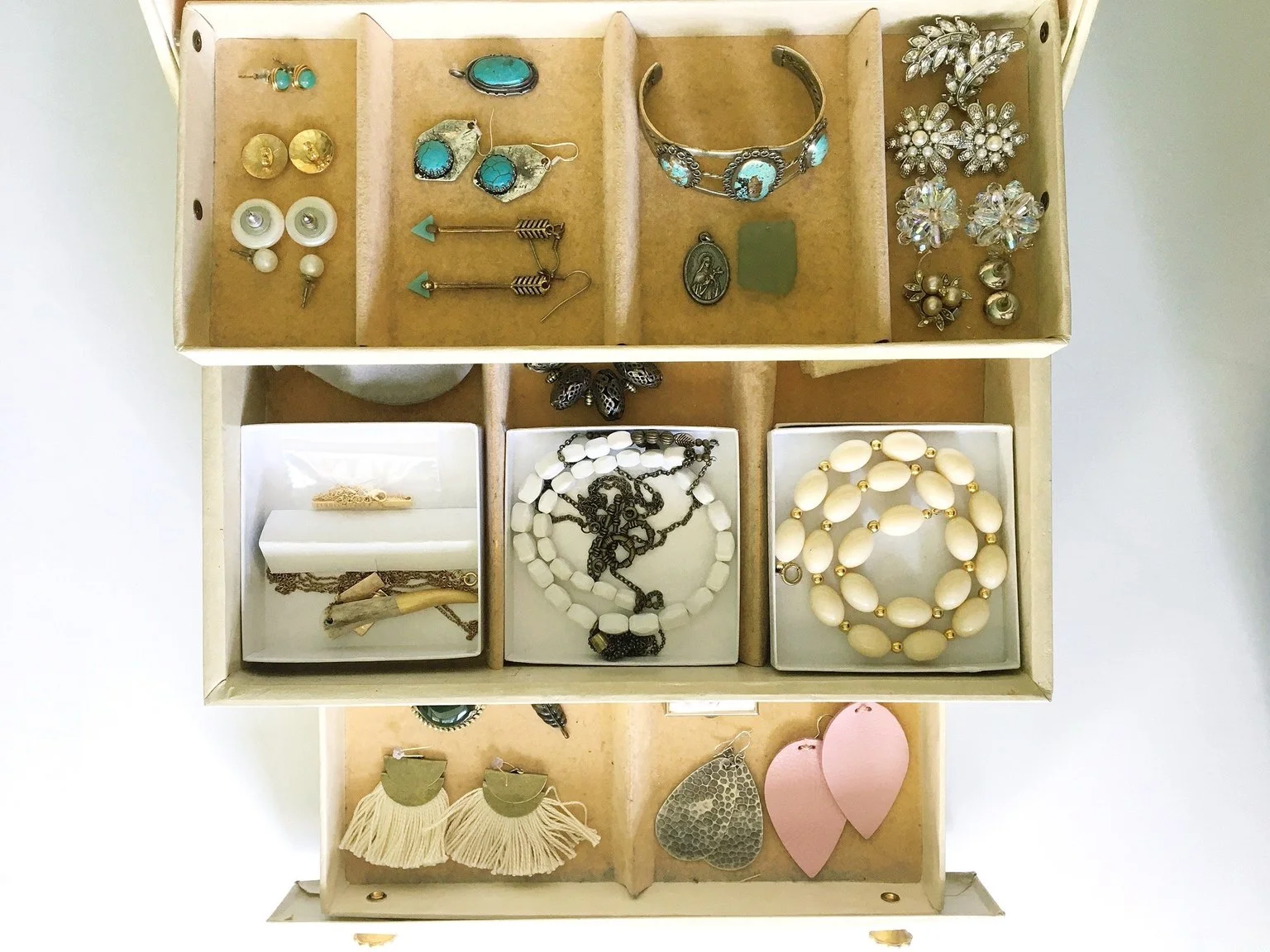
A few weeks ago, I was feeling overwhelmed in my home and was noticing random things for days on end that needed to be decluttered. I kept pushing them off saying I would come back to it on the weekend. With soccer, family time and gardening needs ramping back up, I kept forgetting to come back to it. So in the middle of the week, while my kids were at school and I was taking a break from my home and work to do list, I set the timer for 30 minutes to declutter. Today I’m sharing the process and the results.

A bit more background on this - I spent my time in only a few zones in my home; this was not a full house effort. Because the timer being on for only 30 minutes, I had to merely scan for items I could easily declutter, without much thought. They had to be quick, easy decisions. The overall goal of this challenge is to get things out of the house I already knew needed to go, and maybe find a few treasures along the way!

Another tip - I did not spend time reorganizing things in the spots I was decluttering during the 30 minutes. I circled back after to tidy things up and reset / reorganize any spots that needed it. Focus on speed decluttering for those 30 minutes only. Reorganize if need later on.

Alright, well do you want to see the results?

TIP: Decluttering your every day bags are a great place to start to make quick, mindless decluttering decisions in a snap!

Reminder: This is not a full house declutter. This is what I call “hit the highlights in a few zones for 30 minutes” decluttering. Or you can focus on just one zone. It’s totally up to you! I had a few spots in mind that I knew needed my attention and that I could make quick decisions in, so those were priority for this quick decluttering session.

My favorite Time Timer to get set up.

Our ThredUp collection box for decluttered items.

A peek in on our declutter box a few minutes in!

A hallway zone before I decluttered some decor.


What items to look for while you’re decluttering:

✔duplicates not in use ✔broken items ✔things no longer in use or outgrown ✔items and extra packaging/paper that can be recycled ✔items that are just trash ✔things in good shape but you’ve fallen out of love with to donate ✔collect items that need to be put away elsewhere in the house or given away/returned to someone ✔remove expired items like toiletries and food items (that’s as mindless of a decision as it gets!) ✔take note of wasted items that you won’t buy again or will buy less of in the future ✔take note of anything you run across that needs to be restocked

Categories to sort your items into as you declutter:

Donate (clean, in good shape, someone else can use the item)

Recycle (can be recycled in your area, check locally)

Textile Recycle (I do this separately with various companies like For Days or Ridwell might be in your area - check locally for other free options close to you)

Sell (for this round, it’s only books we’ll sell to Half Price Books)

Relocate (items removed from one area that you want to keep but need to go in another area of the house or given to someone/returned)

Trash (well, it’s just trash and it is the last resort if it doesn’t fall into any of the above categories)

You can have bags, boxes or baskets dedicated to each category as you go, or just throw everything in one bin (like in your laundry baskets for example) and sort things when you’re done. Use what you have and keep it simple!

Here’s the breakdown below of what I decluttered. After the 30 minutes, I sorted everything into categories then totaled them up.

✔Donate: 25

  • 3 oven mitts

  • 1 unscented candle

  • 2 over the door hooks

  • 1 kids tshirt

  • 3 vase/vessels

  • 1 glass cleaning

  • 1 drawstring bag

  • 1 bag Velcro pieces

  • 1 bag extra headphone ear covers

  • 3 key chains

  • 1 birthday necklace

  • 1 mini sewing case

  • 1 mystery cord

  • 15 hair new accessories

✔Sell: 8

  • 8 books (will take to half price)

✔Recycle: 32

  • 4 tea bag boxes

  • 1 Empty vitamin bottle

  • 12 paper towel/toilet paper rolls

  • 1 plastic yogurt container

  • 2 magazines

  • 1 cardboard box

  • 1 paper item

  • 1 plastic tray

  • 2 spice jars (clean out first)

  • 1 empty spray vitamin bottle

  • 6 random pieces of paper

✔Textile Recycle: 1

  • 1 old kitchen towel

✔Relocate: 12

  • 3 kids bracelets

  • 2 packs of seeds

  • 1 clip

  • 6 large shells

✔Trash: 61

  • 3 receipts

  • 34 tea bags

  • 1 bag sugar sprinkles

  • 1 empty super glue bottle

  • 19 plastic knives

  • 3 pieces random trash

✔Decluttering total: 139

_______________________________________

You can see the full break down of this Declutter Challenge, with short videos, more photos and details in my Challenge Highlight on the gram.

Check out our donation resources and more HERE.

See more Sell, Donate, Recycle + Toss Resources HERE

My donations from this round went to Leukemia of Texas Resale Center.

So what’s next?

Now it’s time for YOU to dive into your own (short burst of time) declutter challenge! Use whatever time you have, 10, 15, 20 minutes or 30 if you’d like, and see what you can do! This is how decluttering in real life actually works, when we can sprinkle it into our everyday, when we can, as time permits. But don’t obsess about the number of items leaving your home, just aim to remove things you know you no longer need, in as little time as possible (with as little mental effort as possible)!

I know I’ll be back with another round of this soon because my garage has been calling my name…see you then!

If you’d like MORE HELP decluttering + lightening the physical + mental load in your home, here’s a few great places to start.

Free Declutter Guide

Learn the basics of Decluttering

Parents + Kids Guide To Decluttering

No B.S. Guide To Decluttering

Declutter Your Home Masterclass

Work with Kristin

Read More
DECLUTTER, SIMPLIFY Fuzzy Hippo Shop DECLUTTER, SIMPLIFY Fuzzy Hippo Shop

Why Clutter + Mess Are Different (And Why You Need To Care About It)

After countless conversations with clients, family and friends, it has become abundantly clear that there’s lots of confusion around the difference between clutter and mess in the home. Any why should you even care about their differences? So today we’re going to clarify the differences between clutter and mess, so you can get

After countless conversations with clients, family and friends, it has become abundantly clear that there’s lots of confusion around the difference between clutter and mess in the home. And why should you even care about their differences? Because they effect your home and life in drastically different ways. How many times have you heard from someone (or you’ve said it) “my home is an absolutely mess!!” Probably ALL of us! But is it just mess or is it possibly clutter?

The reason why we need to care about the difference between clutter and mess is that you need to deal with them differently. I have different strategies to help you improve your home environment and live better in your home when you tackle them each intentionally.

So today we’re going to clarify the differences between clutter and mess, so you can get both under control, prevent them from surfacing and simplify managing your home for good.


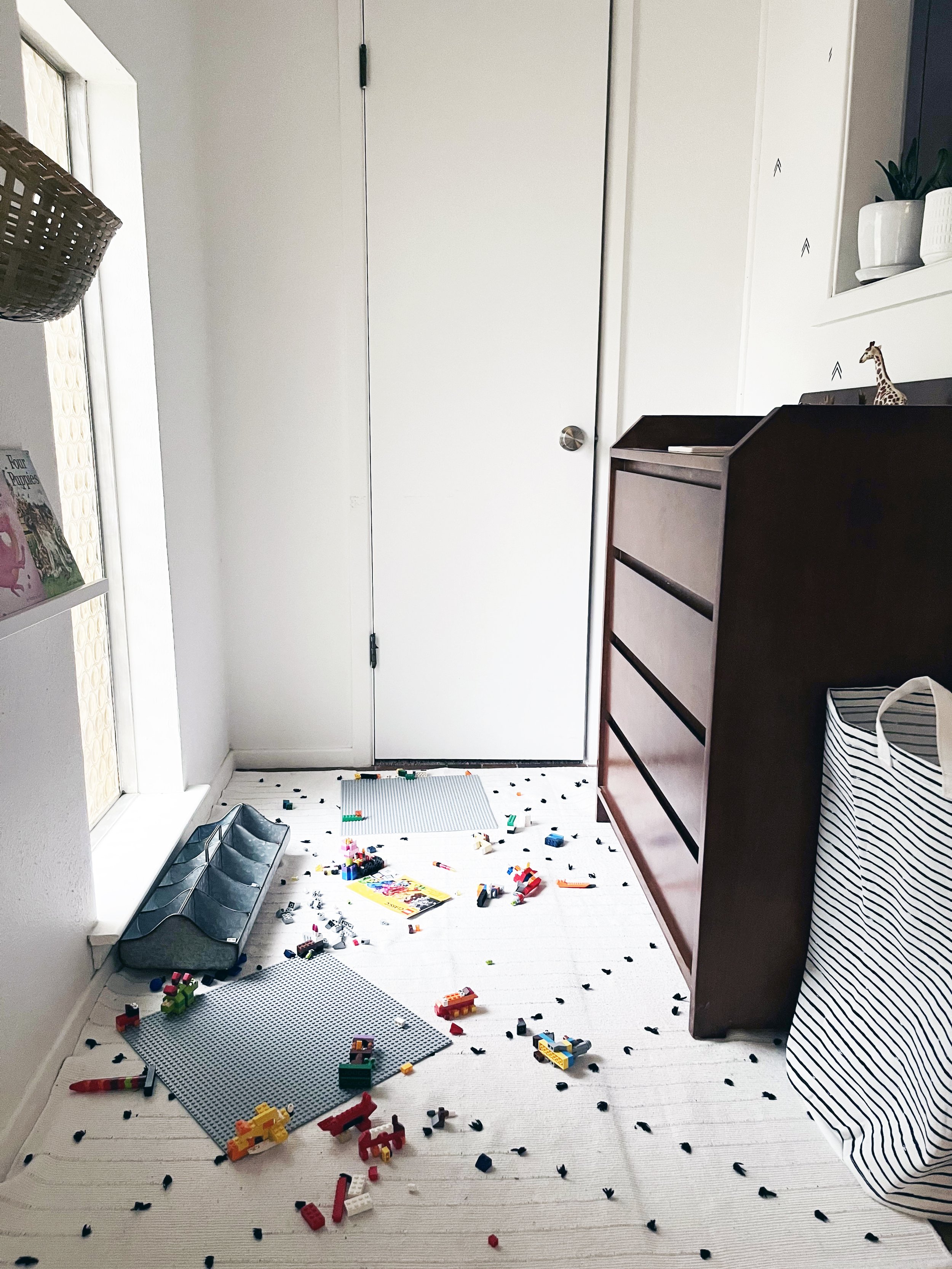
So what does MESS look like in your home?


Most mess is created by things that will likely stay in the home (with few exceptions like leftover paper scraps from a craft that can be recycled).

They’re things actively in use it just might be temporarily out of place.

They’re things involved in your everyday that you want to keep like clothing you’re wearing often (that need to be hung up/put away), toys the kids are playing with (that need to be put back in their baskets), books that are still being read (that need to be placed back on the shelf), kitchenware and tools that help make your meal prep/cooking go smoothly (that need to get tuck back in the cabinet).

They’re items that likely need to be relocated, cleaned or put back in it’s home. But they’re all items that are essentials for your home and are actively being loved and used. They just might need a little reset or tidying!


What does CLUTTER look like in your home?


NOTE: There’s reoccurring clutter and occasional clutter. Let’s break it down next so you know how to spot them both and easily deal with them.

Reoccurring clutter comes into your home or surfaces frequently simply because of daily life. It can easily pile up if ignored (like mail, trash in your everyday bag, school papers/art/information, expired foods, expired toiletries, etc.)

Occasional clutter surfaces as a response to changes/shifts in your life. Clothing being outgrown, aesthetic tastes changing, developmental needs changing or by needs that surface because of shifts in daily life (outgrown clothing, toys that are no longer being played with, books that are no longer being read, decor that you’ve fallen out of love with, clothing you are avoiding in your closet, items you no longer need after a move to a new home in a new city).

They’re in the mix with your everyday essentials and are making your daily tasks harder than they need to be.

They’re items that need to leave the home, like a stack of mail that needs to be gone through taking up valuable countertop space in your kitchen.

Clutter wastes your time and causes you to dig through through it to get to the stuff you actually want to use/consume.

Clutter wastes your energy by forcing you to devote effort and bandwidth to manage things that don’t support your everyday, basic needs. Clutter makes life harder than it needs to be.

Now are you ready for solutions on how to deal with CLUTTER + MESS? Oh good!


How to deal with MESS in your home.


Opt in for a daily reset, even if it’s just for a few minutes. Mess (items that will stay in your home but need to be tidied) can benefit from a daily check in, whatever time of day works for you.

Utilize a large “relocate basket” throughout the day/week for items that need to be put away. The home can have one of these, one for each person in home, or a few for high traffic areas in the home. Choose what works best for you and your family. Walk your home with a large bag or basket and put everything in it that needs to go back to another room. Next, where you’re able to, put things back, room by room, until the container is empty. Done!

Clean up as you go, when you can. This will save you from a mountain of things to put away at the end of the day. Focus on common use items like dirty dishes, worn clothing, most used table tops, counter tops and toy clean up.

Time block reset times for the home during the week or for certain zones of the house that tend to attract more mess (like the kitchen, living room or play zones). Set a timer for a short time to do a room or general home reset. Reward yourself when you’re done!

Recruit help and encourage everyone in the home to take care of the needs of the home. Show each person what they can to do contribute. Everyone who lives in the home should chip into this effort in an age appropriate way.


How to deal with CLUTTER in your home.


Check in weekly on reoccurring clutter creators, like mail, school work/papers, and food. Tailor this to the needs in your home.

Make quick decisions about clutter. Focus on removing items first that don’t require thought, like expired products/food, mail, school papers, invitations, magazines, trash, recyclable goods, clothing that doesn’t fit anyone in the home anymore.

✔ Don’t over-complicate eliminating clutter from your home. Focus on the facts about item and why it needs to leave your home (ex. the food is expired, it must be thrown out because it’s not safe to consume) to help you make quick decisions.

Observe common clutter zones/category in your home. Think kids clothing, toys, mail, consumables (toiletries, food, consumables, etc.). These hot spots in your home should be top of mind for items that need to be removed frequently from your home. Check in on them as often as your able to, minimally once a month.

Create a designated spot for these decluttered items that will move on to donations, like clothing, books, toys and decor. Recycle as much as possible (check locally for what’s excepted). Drop off donation items once a month, or as soon as possible!

When decluttering items that you feel more connected to, make sure they are actively in use, bring joy/value to the home and make life easier. At least 2 of these attributes should be at play, but ideally all 3 are at play. Anything that has a negative association with it, that mentally drains to you or brings up painful memories, should be removed from the home immediately.

Prevent clutter from coming in your home through intentional consumption. Delay purchases and do research first to make more sound buying decisions, avoid duplicates, use what you already own, borrow from family/friends, and utilize free resources in your community (like buy nothing groups, libraries, etc.).


Now let’s recap what we’ve learned about MESS + CLUTTER.

Mess is temporary and easy to reset/clean up.

Clutter should not stay in your home and is not an active part of your daily life and is not bringing value to your everyday.

Resetting the home and frequent check-ins on reoccurring clutter (like mail) and occasional clutter (like outgrown clothing/toys) will keep your home functioning smoothly and efficiently! And oh by the way, you’ll save an incredible amount of time, energy, and money, allowing you to create a more peaceful home. Yes, please!

So next time you see a pile of chaos in your home, make sure you ask yourself “is this mess or is it clutter”? This is simple question will help you can take quick action to deal with it. You’ve got this my friend!


If you’d like MORE HELP decluttering + lightening the physical + mental load in your home, here’s a few great places to start.

Free Declutter Guide

Learn the basics of Decluttering

Parents + Kids Guide To Decluttering

No B.S. Guide To Decluttering

Declutter Your Home Masterclass

Work with Kristin

Read More