DECLUTTER, GRIEF, SIMPLIFY Fuzzy Hippo Shop DECLUTTER, GRIEF, SIMPLIFY Fuzzy Hippo Shop

Navigating Sentimental Clutter In Your Home: A Helpful Checklist

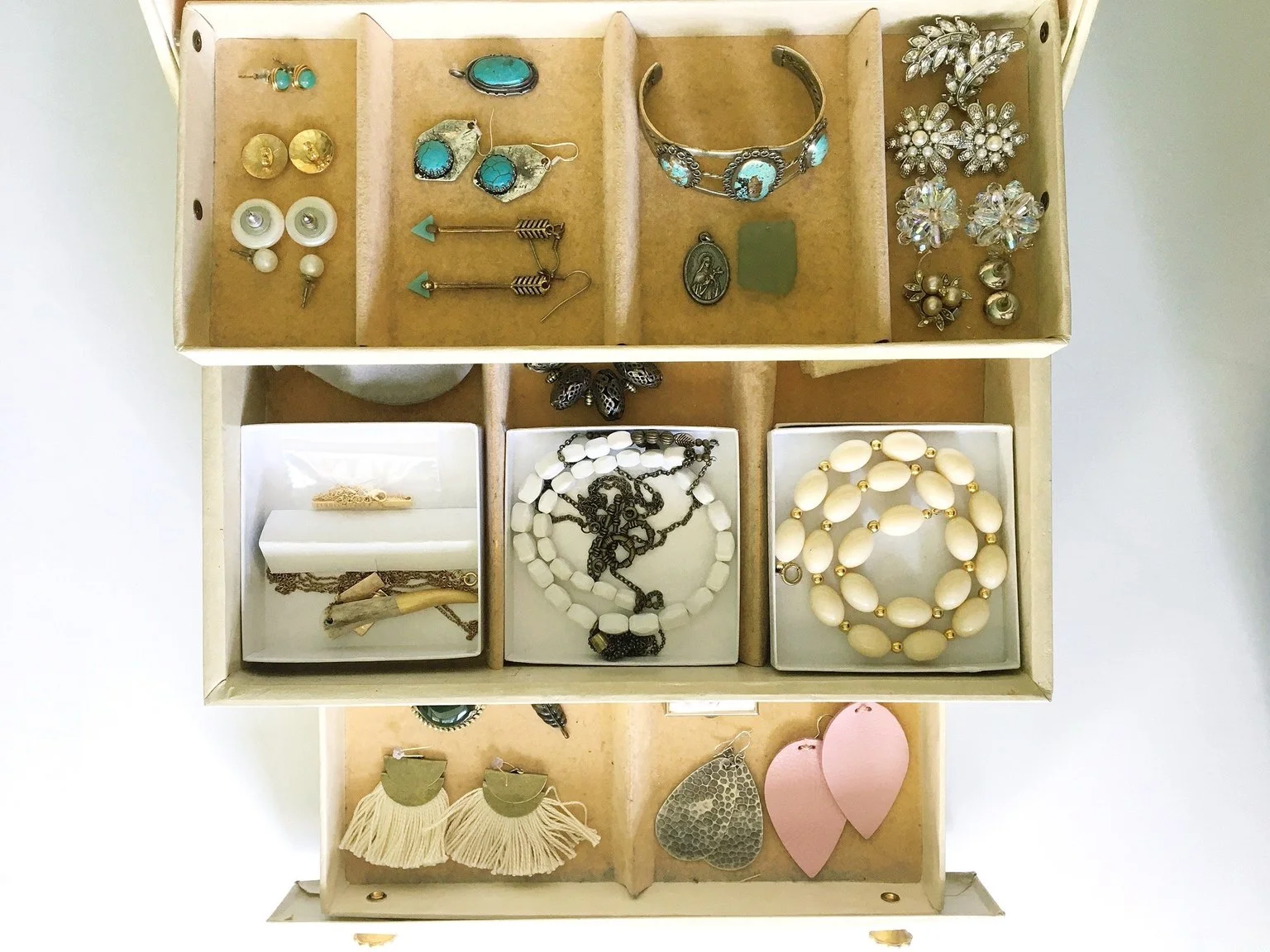
Sentimental clutter makes up a HUGE part of all the clutter in most homes, believe it or not. It’s often the hardest to part with because it can be difficult to make decisions around it. The meaning these items hold can come from anywhere. It can also be hard to identify when you have these items. We rarely take the time to slow down and decide if we’re keeping something simply because it’s sentimental or because it adds value to our life. The sentimental nature of items in our home make this part a bit blurry.

To clear up some of the confusion around this topic, here we’re going to offer you a way to understand why it’s challenging to deal with, how to identify sentimental clutter in your home, and a strategic checklist to help you make decisions, so it’s easier to part with.

1. WHY IS SENTIMENTAL CLUTTER SO TRICKY TO DEAL WITH?

It’s tricky because we have feelings and emotions tied to objects, which is far more common than you’d think! It pulls in guilt, expectations of others, and often unrealistic expectations of ourselves. Sometimes we hold onto things because we fear judgement of others or disappointing someone that may not even be around us anymore (a past relationship) or someone who has passed away. Sometimes we think if we let go of something, a part of us will be gone forever or memories of someone won’t live on. The most important part of dealing with sentimental clutter is being transparent with yourself on why you’re holding on to something. Then you can start addressing what needs to help next with it, in a way that is aligned with your values and your goals. Write it down if it helps you to make more sense of the item(s) so you can gain clarity on how to move on to the next step.


2. HOW TO KNOW IF YOU HAVE SENTIMENTAL CLUTTER.

Not all clutter is created equal. Some is everyday clutter (things that are reoccurring like mail, paper bags, school paper, receipts, etc.). Other clutter is occasional, as in things that become clutter when our life shifts, we outgrow things or our basic needs change. Then there’s sentimental clutter. Here’s how to know if you have any lingering around in your home.

✔ It has inherent meaning to you for some reason - memories, an occasion that meant something to you, it might be tied to a person, an experience or maybe it was inherited. You feel something more for this item than just any ordinary object in your home.

✔ If you have a sentimental items that you use, love + enjoy, then it is NOT clutter - just so you know, it’s OK to keep sentimental items around in your home, just as long as they are valuable and useful to you in your daily life. Also make sure that you have space for them and they enhance your life, not take away from it. It needs to check off all these boxes.

✔ You are not using it, you’re not enjoying it or you might be avoiding it - this is the part that makes it ‘clutter’ because you’re holding on to it just because it has some personal tie to it.

✔ You might not like the item, as it’s not your taste or aesthetic or doesn’t fit with your lifestyle - you’re still holding on to it because of memories or experience with it.

✔ You might have a negative association with it, but memories force you to hold on to it - we tend to force ourselves into keeping things, even if the memories are mixed (as in not all good) surrounding the item, simply because it is tied to people or the past.

✔ You feel guilty about parting with the item, which is why you’ve held on to it for so long - guilt is really common with sentimental items, which leaves us feeling stuck about what to do with them.

So now that you’ve identified something that is sentimental clutter in your home, let’s talk about what to do with these items next.


3. HOW TO PREPARE TO PART WITH SENTIMENTAL ITEMS THAT HAVE BECOME CLUTTER.

✔ Connect with family or friends that might want the item - if you have an inherited item or something that you know someone in your close circle might have interest in, start there. Offer up the item and see if there’s any takers. If not, move on to these next options.

✔ Determine if the item can be donated or is still useful to someone else - is the item in good, usable shape? Could a resale shop turn around and sell the item? Could a charity offer it immediate to someone in need and they’re able to immediate use it in their home? If yes, you can donate the item. Make sure it is clean and is good, working condition. Imagine being on the receiving end of it and the quality/care for the item you’d hope for. Aim for that.

✔ Align your donation with your values - one of the best ways to get over the roadblock of donating decluttered items is by donating to a cause or charity that you’re invested in or respect their mission. Here’s some examples to get you started - donate decluttered goods. Always do a local search to see what’s in your area, and do reach out via phone or email to see what their needs are, etc. You can also send an itemized list of things you have and their condition and they’ll let you know what they can take prior to you hauling everything over.

✔ If you’re interested in selling the item, consider these guidelines: let’s say you’ve inherited a baby grand piano from someone and you don’t play piano and never plan to - this piece is now taking up half your living room and you’d rather prioritize more living space in your home than something that will never get used. Solution: consider local music schools, local music instructors, or place a listing out on facebook market place, for example. Do some local research for a gauge on selling prices to get started. Give yourself a timeline on how long you’ll wait for a buyer (I suggest 2-3 months tops for higher value items, one month maximum for lower value items), then have a back up plan for the item if it doesn’t sell. Back Up Plan Example: donate to a local school you know would greatly benefit from for the music your piano will create for many years to come. When you align your donations with doing good in your community, it will be far easier to part with, promise!

✔ If the items cannot be immediately useful to someone else or beyond repair, consider recycling. Our primary goal is to divert items from the landfill if at all possible. Consider a variety of recycling efforts, like appliances or textile recycling. You can offer something up for free on freecycle or a ‘buy nothing’ group in your area on facebook. Someone may have a vision for this item, has a knack for repairing things, could recycle the scraps or has interest in repurposing the item. Here’s some recycling options to consider HERE. Also check locally.

✔ If the item must head to the trash, let’s do it responsibly. Make sure to check out the ‘toss’ list in my link HERE for ways to toss items in an environmentally responsible way, depending on the item. I hope you’ll find this list helpful now and will be a continuous resource for you in the future.


4. FILTER FUTURE SENTIMENTAL CLUTTER WITH THESE TIPS.

✔ If you’re offered something that you simply don’t want, you can say NO. Do not feel pressured to take something or hold on to something if you do not want the item, regardless of who’s giving it to you. This will stop a lot of clutter from coming into your in the first place.

✔ If you end up with sentimental items you don’t need, part with them as soon as possible. Even while holding your personal boundaries if what’s coming into your home, sometimes things find their way in anyway, or you change your mind. Look back at the lists above for more ideas on what to do with the items, but aim to remove them as soon as possible. They items lingering around in your home only drain you and prevent you from creating a home environment full of spaces that take care of you.

✔ Let go of guilt when parting with sentimental items. You NEVER have to keep something if you don’t want to, regardless of the reason. You don’t have to explain yourself to others while making the decision if you don’t want to. Let go of the worry that someone will be disappointed if you don’t keep something (if they do, I would reconsider their role in your life if they truly are that unsupportive of your decisions).

✔ This is a reminder that someone who has passed away is not going to be upset with you for letting something go you don’t need in your home. I can guarantee you that someone who’s passed away that you love (that you’ve inherited something from) wants you to live a joyful, wonderful life where you’re not surrounded by things that you don’t use or love. Period. Let that sink in. Read it over again as many times as you need to.

Now what additional sentimental clutter questions do you have? What items are hanging you up in your home and causing you to feel stuck? I’d love to hear from you in the comments below.

P.S. If you’d like to take a deeper dive into decluttering: here’s a list of resources to help you take action + learn exactly how to declutter in your own home, regardless of the item, without the overwhelm. Small bursts of time + intentional strategy is the key!

+ Download my free declutter guide

+ Decluttering 101 tips + strategies

+ See our clients’ favorite decluttering resources:

All Access Home Bundle (includes 9 of our top declutter/organizing guides!)

Declutter Your Home Masterclass (with a robust section on sentimental clutter + more tools with personal examples to help you navigate them)

Parents + Kids Guide To Decluttering

1 Week Home Reset Kit

Read More
DECLUTTER, SIMPLIFY Fuzzy Hippo Shop DECLUTTER, SIMPLIFY Fuzzy Hippo Shop

Decluttering Your Home: The Good, The Bad + The Unexpected Results.

I’m writing this as a PSA for all of us out there on our home decluttering journey…the seasoned declutterer, to the just starting, ‘it is my first rodeo’ crew. I want you to know what you’re up against when you declutter in your home. What benefits can you expect? What roadblocks are lurking around to jump in your way? I want to take away the mystery, once and for all!

Decluttering, like many things, has so many stigmas around it: it leads to a scarcity mindset, it’s a waste of time, it takes too long, you’ll give away things you shouldn’t, you’ll let be left with a stark white, boring home, etc. Once we unpack the truth about decluttering, you’ll be able to see which of these will easily fall off the bandwagon of stigmas.

So we’re going to lay it all out of the table here so you know EXACTLY what to expect the next time you start decluttering in your home, whether it’s your 1000th time or your 1st. Let’s dig into the clutter!

1. YOU MIGHT FEEL FRUSTRATED AT FIRST.

When you start decluttering, there’s a lot of unknowns. What decisions will I make? Will I make the right ones? Can I get through the stuff I want to? And I’ll just shoot you straight - starting decluttering is the worst part. But once you get going, it gets easier and then the actual motivation comes to keep you going!

2. THERE’S NOT GOING TO BE A ‘RIGHT TIME’ TO START.

A lot of people get caught up in waiting for the ‘right time’ to declutter, only to find that everyday life will bulldoze your time. Decluttering must be intentionally planned into your time, but it doesn’t have to take a lot of time.

And guess what, never will there be a ‘right’ day to start. But here’s the good news, ANY day can be the best day to start. Start small. I’m talking 5 minutes and your everyday bag. See where it goes from there. If you’re worried about having enough time in your day? Declutter a high traffic space in your home. Worried about getting your kids out the door to school with less chaos? Declutter your drop/exit zone. Want to get dressed easier each day? Declutter your clothing closet/drawers.

To recap: declutter to save time - and stop worrying about the right to start because it doesn’t exist!

3. THERE WILL BE THINGS YOU ENJOY ABOUT IT.

Yes, let’s imagine us enjoying the decluttering process…it’s possible! You might discover things you’ve been looking for. You might learn about things you no longer need so you don’t waste money down the line. You’ll clarify what is useful, valuable and life-giving to you and, most importantly, what’s draining you. You might find you love the quick dopamine burst you get having a short 10 minute decluttering sesh to clear out a drawer or your everyday bag; this short burst helps you feel a bit more in control of things during your chaotic day. There’s a lot more to this, but this is just the start of reasons why you might end up enjoying decluttering!

4. YOU MIGHT HAVE SOME REGRETS.

Truthfully, I can count on less than one hand that I either forgot I had decluttered something and went looking for it or I wanted it back. And even when this happened, I quickly moved on from it and it was not an actual issue. I was quickly fine with it being gone. If you find yourself in this situation, ask some more questions about why you are looking for it, see if you can use something else, and then if you absolutely must replace it, make sure it is something you’ll use frequently and have adequate space for. If you considered decluttering it at one point, it’s likely not worth bringing it back in your home, even in a newer or different version.

I believe the biggest regrets of decluttering come from realizing that you should have done it sooner. The weight of your stuff becomes apparent when you start removing things from your home that you don’t use or love. When you start feeling that physical shift in your home environment, you’ll wish you would have let yourself part with these things sooner, despite being unsure about how you’d feel after. Now you know.

5. YOU MAY HAVE TO PUSH PAST SOME GUILT.

The guilt that surfaces while decluttering is real. Some of it surfaces as sunk costs. This is money you spent on the item and feel bad or embarrassed about spending what you did, only to be left with something you don’t use. The bigger embarrassment here is not that you spent good, hard-earned money on something, its doing nothing about it. As a result, you end up surrounding yourself with things that weigh you down, cluttering up your daily routines and life, making them harder than they need to be. This is a strong cocktail for preventing you from living well!

Guilt also comes in the form of time. The longer you wait to declutter that spare bedroom, the closet you’ve been avoiding, your crowded kitchen drawers, the harder it is for your brain to take action. But again, remember the secret sauce to success here is merely starting! Start messy. Start unsure. But just start!

Guilt also comes from self-doubt. This guilt comes from believing you’re not good at decluttering, not a good homemaker, or have lost control over your home. Allowed of thoughts can make you quit all together. And I have to tell you, none of this is true. This is your brain sharing tricky, unhelpful thoughts with you that we CAN redirect to get unstuck. You are good enough and you CAN make some small shifts to change everything! You CAN!

6. YOU’LL FEEL LIGHTER IN MANY WAYS.

The lightness in your home after you’ve decluttered is unmatched. Once you’ve removed things from your physical space that you no longer need, the space that is created and reduced visual fatigue, simply because of looking at less, creates a new level of calm in your brain. Creating spaces in your home that help you rest and recharge is essential for your overall well-being.

You’ll be shocked at the peace you create in your mind by decluttering areas that are not readily visible. You know what’s there. Your brain and your body keeps a log of all the zones in your home that need help, that frustrate you, that you spend countless hours digging through to find things. I don’t believe in ‘out of sight, out of mind’ is a real thing. You mind is keeping a log and it’s causing stress that we then carry daily in our body. When you attack these forgotten spaces, you’ll feel unexpected peace.

This new level of peace comes from knowing you can find something, even if it’s hidden. Knowing that you can open your kitchen cabinet and see everything in order at a glance, that your kids can help themselves to toys and be able to put them away, that you can see the food low in stock in your pantry and reduce waste because you know what you have.

This lightness takes the feelings of frustration and the unknown we discussed at the beginning, and turns them into known, predictable ease throughout your home. It allows you to clarify essentials/values, helping you create visible simplicity by taking control over your spaces, simply by removing what you don’t use, value or love from your home. These things leaving your home are what allows you to create space for the life you want.

WHAT TO DO NEXT:

Are you ready to learn strategic steps to help simplify the process of decluttering in your own home? Learn to declutter anything, anywhere in your home in small bursts, without the overwhelm.

Check out my slew of decluttering resources below to help you take action now. ↓↓↓↓↓

+ Download my free declutter guide to get you taking quick + easy decluttering action in your own home (linked in profile).

+ Click the follow button for @fuzzyhipposhop to follow along for more decluttering tips + basics to get you unstuck in your home on instagram!

+ Check out more free decluttering resources HERE!

+ Check out more decluttering tools + guides HERE!

+ See our clients’ favorite decluttering resources:

All Access Home Bundle (includes 9 of our top declutter/organizing guides!)

Declutter Your Home Masterclass

Parents + Kids Guide To Decluttering

1 Week Home Reset Kit


Thanks for following along as we lighten the load of home + simplify our everyday to live better.

Please drop any comments + questions below. I’d love to here from you! // Kristin

Read More
DECLUTTER, GIVING + GIFTING, SEASONAL, SIMPLIFY Fuzzy Hippo Shop DECLUTTER, GIVING + GIFTING, SEASONAL, SIMPLIFY Fuzzy Hippo Shop

What To Do With Gifts + Unwanted Gifts After The Holidays

Your holiday decor might still be sprinkled around still or you’ve happily packed it away…but guess what’s still lingering around in your home? ALL THE GIFTS! While there’s nothing wrong with friends and loved ones showering you with joyful bits and acknowledgement during the holidays, have you ever considered that not all of it has to stay?

Gifts, whether they’re something you asked for, were giving on a whim, you love the gift or it’s not your jam…they ALL have an impact on your home. Now that it’s deep into January, we’re going to quickly assess all the items that have come in the door in the last few months from the holidays, decide what to keep and what needs to go (and how to do this resourcefully/responsibly) to reset your home for the new year!

Your holiday decor might still be sprinkled around or you’ve happily packed it away…but guess what’s still lingering around in your home? ALL THE GIFTS! While there’s nothing wrong with friends and loved ones showering you with joyful bits and acknowledgement during the holidays, have you ever considered that not all of it has to stay?

Gifts, whether they’re something you asked for, were giving on a whim, you love the gift or it’s not your jam…they ALL have an impact on your home.

Now that it’s deep into January, we’re going to quickly assess all the items that have come in the door in the last few months from the holidays, decide what to keep and what needs to go (resourcefully/responsibly) in a quick effort to reset your home for the new year!

2025 2025 Printable Calendar - Fuzzy Hippo Shop

1. ASSESS WHAT’S WALKED INTO YOUR HOME DURING THE HOLIDAYS.

Take a scan of ALL the things new to your home since the holidays. Gifts, decor, treats, etc. This includes things you brought in for yourself + things that others gifted to you.

+ While you’re doing this, take inventory of items you either

1) Do not like 2) Are on the fence about. Pull these items aside to assess further in our next steps. You can do this room by room or simply by doing a quick walking scan throughout your home or wherever these items have landed.

+ Recycle any bulky packaging, boxes, papers that are no longer needed from gifts. Most wrapping papers cannot be recycled unfortunately. Brown kraft paper and 100% paper based gifts wraps can be recycled! Recycle papers, manuals, paper-based receipts you don’t need to instantly lighten your load of ‘stuff’ in your home. These are all the “clutter extras’ that often come along with gifts that can take over your home if you don’t keep tabs on it!


2. ASK MORE QUESTIONS AROUND GIFTS YOU ARE ON THE FENCE ABOUT OR DO NOT LIKE.

Here’s a quick checklist to help you assess gifts you’re unsure about or aren’t sure what to do with them next.

ASK:

+ Do you like the item at all? Would you consider buying this item with your own money (whether it was on sale or not)?

+ Do you already have something similar that you use regularly prefer/love more? If keeping this item, is it a duplicate and will it actually get used regularly?

+ Do you have space for the item? Are you OK with the time it will take to manage/care for the item in your home?

+ Does this item have a negative association with it? Does it trigger a negativity memory, reminders or thought patterns just by looking at it? (DON’T KEEP)

For gifts you do not like, are not your aesthetic, you already have or simply has a negative association with it, these items need to GO.


FOR ITEMS YOU’VE DECIDED NOT TO KEEP:

+ You can seek a return/exchange if you can nail down where the item came from + get something else you’ll enjoy more or need more at this time.

+ Donate or giveaway the items (assuming it’s a good shape + can be useful to someone else). Also consider the option to recycle the item when applicable (check locally).

+ Check locally for charities where someone in need could use your household items immediately (women and children’s shelter for example).

+ Do a swap with a friend. They might have a few things they’d love to swap with you for something you happen to have!

+ Consider re-gifting this item for a future gift to someone else. While this might sound tacky initially, I think this idea is resourceful + helps minimize waste, especially if you know someone who would love an item that you don’t love.

+ For items you plan to re-gift, make sure you have space to hold onto it until you can gift it. If you’re worried about giving it back to someone accidentally, add a little note to the item of who is was from, so when you go to create your next gift, you know who NOT to give it to! Easy!


3. FOR ITEMS YOU PLAN TO KEEP, LET’S FIND THEM A PROPER HOME.

Just because you love the item, doesn’t mean it’s going to easily find a landing spot in your home. Here’s how to find your ‘keep’ items a new permanent landing spot.

+ First, confirm if by keeping this item IF something else in your home needs to leave. Ex. You received a new chopping knife you prefer MORE than your old one because you like the size even more than what you currently have. The old chopping knife can go (donate if still in good shape) + keep the new one. No need to keep both!

+ Consider the 1 in 1 out rule, if this is applicable to you + your home right now. Ex.1: You received a new book + you can let go of another book you’re not going to read or enjoy again. Ex. 2: You’re in the process of rebuilding your sweaters collection + you want to keep what you have plus the new sweater you just received (the rule would not apply here because of your current needs to rebuild part of your wardrobe).

+ Figure out what area of your home this item should live. If you were gifted a new blanket, put it near your favorite cozy reading corner or over a piece of furniture/end of the bed to grab easily. Make it easy to enjoy and use this new gift in your home.

+ For items that don’t need to stay out all the time, tuck it away in a place where you will use it the most. Ex.1: You have brand new gloves. During this colder season, put them near all your outdoor gear in a hanging basket that’s easy to grab on your exit route out the door. Ex.2: You just received a new kitchen utensil - place the item in the drawer ideally right below the counter top where you will use it the most, based on its function.

Put things where you’ll use + enjoy them the most. Keep it simple!


4. SET STRONGER GIFTING BOUNDARIES MOVING FORWARD.

For future holidays, birthdays, etc. remember to communicate needs, preferences + requests with those you’re closest to.

+ Real reality, this still might not work…in which case, please revisit steps 1-3!

+ If you receive something that you already have or have something very similar to, it’s OK to let them know + respectfully try to sort out a return/swap. This just happened to me with sunglasses! I was able to work with customer service over email + return the sunglasses for a new pair that I now love + wear daily!

+ Intentionally declutter before these times of the year so you have more clarity on your needs before going into the holiday season so you can give family/friends some specific, clear direction on preferences.

+ Remember: Clear is kind. Unclear is unkind! Communicate clearly for best results!

+ Know that you can be gracious + grateful for a gift + it still not work for you. You can then do something resourceful with this unwanted gift or send it on it’s way WITHOUT GUILT. Deal?!

After a gift has been given to you, it’s now YOURS + YOU get to decide what YOU want to do with it. Don’t let the fear of guilt force you into keeping something that will simply become clutter in your home. Nothing about this is a gift at all!


WHAT TO DO NEXT:

+ Download my free declutter guide to get you taking quick + easy decluttering action in your own home (linked in profile).

+ Click the follow button for @fuzzyhipposhop to follow along for more decluttering tips + basics to get you unstuck in your home on instagram!

+ Check out more free decluttering resources HERE!

+ Check out more decluttering tools + guides HERE!


Thanks for following along as we lighten the load of home AFTER the holidays + reset our spaces/routines for the new year!

Sending you lots of love + peace in 2025.

Please drop any comments + questions below. I’d love to here from you! // Kristin

Read More
DECLUTTER Fuzzy Hippo Shop DECLUTTER Fuzzy Hippo Shop

5 Simple Ways To Declutter Before the Holidays

Lightening the physical load in your home, before the holidays, is a MUST! This transition to the holidays can feel heavy for many reasons. The physical load (stuff) surrounding you is only adding to an invisible mental load that’s weighing you down + making life day to day more challenging than it needs to be.

In these 5 Simple Ways to Declutter Before the Holidays, I’ll show you how to scan your home quickly, focus on certain hot spots + help you streamline your home in a way that’s simple, without the typical overwhelm you think of when it comes to decluttering. Nope, not here! Let’s get to it so we can all enjoy our holidays!

I want to invite you today to unpack these 7 Decluttering Myths with me so you know how to identify them creeping up + how to blast past them with the right tips + tools. Let’s go get unstuck together!

Lightening the physical load in your home, before the holidays, is a MUST! This transition to the holidays can feel heavy for many reasons. The physical load (stuff) surrounding you is only adding to an invisible mental load that’s weighing you down + making life day to day more challenging than it needs to be.

In these 5 Simple Ways to Declutter Before the Holidays, I’ll show you how to scan your home quickly, focus on certain hot spots + help you streamline your home in a way that’s simple, without the typical overwhelm you think of when it comes to decluttering. Nope, not here! Let’s get to it so we can all enjoy our holidays!

DECLUTTER FOCUS #1: Bulky packaging, grocery bags, paper bags, etc.

✔️Why it works:

〰️ All of these items are in the category of “reoccurring clutter”, which means it happens from living daily life + must be checked in on frequently or it will make daily routines/task WAY harder than they need to be in your home.

✔️How to do it:

〰️ Start by scanning your pantry + cabinets for bulky packing making it hard to see what you actually have to consume (examples: boxes of tea, snack boxes, cereal boxes, sparkling water boxes, etc.) / decant anything you’d like to make it easier to see what you have + keep it fresher longer.

〰️ Next scan for grocery bags + paper bags to recycle. Check locally (I take any plastic bags I end up with to our local Target). Keep a few of those large paper bags to cut + turn inside out for gift wrapping!

〰️ Recycle as much as you can + then consider reusable bags in lieu if plastics moving forward to cut out out this clutter culprit in your home! Yes please!


DECLUTTER FOCUS #2: Expired goods + foods not being eaten from your kitchen / pantry.

✔️Why it works:

〰️ Seasonally we must check in on our food stock, as we might want to eat differently or bake certain recipes because of the time of year we’re in, or we’ve left behind some foods that we’ve forgotten about. This step will help streamline + simplify your meal prep + navigating what you have in your kitchen with more ease by assessing what you have!

✔️How to do it:

〰️ Scan your fridge + freezer for old, expired food items. Clean out + recycle what you can.

〰️ Scan your pantry for old items or items that no one is eating. PRO-TIP: If you’re unsure if something will be eaten, pull it out from your pantry + put it out on the kitchen counter in a basket + see what disappears in the next few days. If no one touches it, giveaway or toss it.

〰️ Don’t forget about your local food bank during this process. Non-expired goods you aren’t eating / are unopened can be taken there. Check locally for specific needs!

〰️ Have a notepad handy + write down anything you need to restock + most importantly, pay attention to items you DON’T need to buy again + save your money!


DECLUTTER FOCUS #3: Scan your horizontal surfaces to declutter.

✔️Why it works:

〰️ Everything that’s out on tables, furniture + counter tops is begging for your attention - simplifying + removing a lot of what’s out will instantly elevate your space + create more visual calm throughout your home, leaving you feeling less drained.

✔️How to do it:


*For each zone you’re going to 1) put away things that belong somewhere else 2) donate items no longer needed or in use 3) tuck things away in a useful/intentional spot that don’t need to be out 4) aim to have out as *little* as possible!

〰️ First do a quick countertop scan through your home, or even in just one spot that’s a common clutter culprit (ahhhemmm I’m looking 👀 at you kitchen counters!!)

〰️ Now let’s do a quick scan on the tops of furniture - think credenzas, tv stands, night stands, etc. / get rid of trash, extra nicknacks you no longer love + simplify the entire surface / wipe off dust if you must 🤪

〰️ Lastly, scan table tops, like the kitchen table or your desk if you missed that spot. Edit like it’s your job. Stay as minimal as possible! Only keep it out if it’s an absolute have to!! Recycle, toss + shred or file papers as needed.

*With less out, you’ll be more encouraged to keep it that way + feel better in your spaces.

*A lot of clutter in these zones can be curbed simply by making small, quick decisions all week to put things away or remove them if they’re no longer needed. You’ve got this!


DECLUTTER FOCUS #4: Scan for outgrown + no longer used items.

✔️Why it works:

〰️ This is another category that should be quick decisions. The jacket is outgrown. The book is no longer read. We don’t play with these toys. The game is broken. This throw pillow is no longer my aesthetic taste. The shoes are too small. If you run across something you’re unsure about, move on. Circle back on it in a month. We are focusing on the obviously items that need to go right now to create more space in your home + breathing room.

✔️How to do it:


〰️ You can scan each room one at a time, or pick + choose where you want to put your efforts. For me right now, I’m looking in clothing closets, toy areas + books, as it pertains to my kids. For me, I’m looking at some clothing items, accessories + home decor items to quickly edit.

〰️ As you scan the area you’re focusing on, have a box or bag ready for the obviously “no” items to drop in. If it belongs to someone else, bring them into the conversation on why it’s leaving. “You’ve outgrown these pants. We can replace them. Do you want something similar or different to these as we look around”? Keep the process transparent + nonjudgmental for best results!

〰️ If the controversial “toys” are being looked at, read on for my advice: Talk with your kids about the items you “never see them use or play with” + then ask some questions. Would they rather part with these + bring in something new to play with? Would you rather have more space to do your favorite hobby? If there’s a few items you’re all unsure about if they’re being played with, move them out for 1 month into a more obviously location (or just a more limited toy rotation to see if that helps engagement). If the items are never played with, donate them! Easy!

DECLUTTER FOCUS #5: Text + email unsubscribing.

✔️Why it works:

〰️In a short amount of time, you can greatly reduce the digital clutter on your phone + in your inbox, bogging down your time + causing visual fatigue every day! As marketing messages ramp up, this is the PERFECT time to check in on this category of clutter.

✔️How to do it:


〰️ Put a timer on for 5-10 minutes + focus on your phone for text message decluttering. Unsubscribe for any text message alerts you no longer want to receive. While you’re there, spend a minute to delete unwanted text message threads so it’s down to your most recent conversations that you actually need/care about!

〰️ Put a timer on for 5-10 minutes + focus on your email inbox exclusively. Since marketing emails are in full force right now, instead of just deleting emails from companies you no longer want to hear from, unsubscribe from it first, then delete it. In just a matter of days, you will notice A LOT LESS traveling into your inbox, plus LESS time spent during your days deleting things you don’t even want!

PRO-TIP: In gmail, you can simply put your arrow cursor over the email you want to unsubscribe to (without even opening the email) + an ‘unsubscribe button’ will appear. So quick!

Well friend, you did it! You’re on your way to a much lighter + joyful holiday season! Wishing you all the good things as we wind the year down. And remember, you deserve peace + simplicity all year round.


WHAT TO DO NEXT:

〰️ Download my free declutter guide to get you taking quick + easy decluttering action in your own home (linked in profile).

〰️ Click the follow button for @fuzzyhipposhop to follow along for more decluttering tips + basics to get you unstuck in your home on instagram!

〰️ Make sure you go watch all the 5 Simple Ways to Declutter Before the Holidays in my instagram feed below (all reels take only about a minute to watch)!

Thanks for following along as we lighten the load of home before the holidays + get unstuck in our own home! I’ve got you!

 
Read More
DECLUTTER Fuzzy Hippo Shop DECLUTTER Fuzzy Hippo Shop

7 Decluttering Myths You Need to Know Now

The 7 Decluttering Myths we’re going to address today are keeping you stuck in your home, right this minute! Decluttering has a lot of stigmas around it that tell our brain that we’re not good enough, we’re wasteful + that we’ve messed up. And that nothing can be done about it! Nope!

I want to invite you today to unpack these 7 Decluttering Myths with me so you know how to identify them creeping up + how to blast past them with the right tips + tools. Let’s go get unstuck together!

The 7 Decluttering Myths we’re going to address today are keeping you stuck in your home, right this minute! Decluttering has a lot of stigmas around it that tell our brain that we’re not good enough, we’re wasteful + that we’ve messed up. And that nothing can be done about it! Nope!

I want to invite you today to unpack these 7 Decluttering Myths with me so you know how to identify them creeping up + how to blast past them with the right tips + tools. Let’s go get unstuck together!

PART 1: “Decluttering is something you do only once.”

Well I’m sorry friend, this is NOT a one + done thing…it’s an ongoing process, but it doesn’t have to be hard! And this is true for ALL of us!!

And now here’s the good news… it becomes easier + you do less of it over time. 🎉 Once you get the basics down, you’re golden!

PRO-TIP: Start with the low hanging fruit - the stuff you don’t need to overthink - expired good, the shoes your child outgrew, the extra/bulky packing, the mail.


PART 2: “ALL clutter is the same.”

There’s actually LOTS of types of clutter, believe it or not! Knowing the difference helps you make quicker, more intentional decisions. Here’s a few to consider:

〰️ sentimental clutter - inherited or items you have an emotional tie to for some reason (can be more challenging to make decisions regarding it)

〰️ reoccurring clutter - expired goods, food, packaging, grocery bags, school papers, mail, etc. (typically easy to part with and remove from your home - on going but can pile up quick!)

〰️ growth clutter - things you’ve physically outgrown, developmentally outgrown or there’s been a shift in taste, aesthetics or home life needs (items that no longer align with you and your family’s lifestyle)

〰️ occasional clutter - unwanted gifts, items you’ve fallen out of love with, items that need to exit because space is more valuable, broken, beyond repair items, etc. (not difficult to part with but are often ignored all over your home + eat up valuable space)

PRO-TIP: It’s important to know that not all clutter is the same because each category requires different amounts of mental energy from us to remove it. This is normal! Knowing this info helps you more intentionally declutter in your home + feel less stifled by items that seem hard to part with.


PART 3: “All clutter is from things YOU brought into your home.”

Nope! Let’s unpack this a bit. Here’s a few ideas to about clutter showing up in your home + how it got there:

〰️ unannounced clutter - can walk into your home from gifts you didn’t ask for, generous offerings from friends or family, trinkets from school or a holiday event, work event, etc.

〰️ associative clutter - are things they come along with things coming in your home by default - like extra packing from things your pantry, grocery bags if you’re not using your own reusable ones, etc.

〰️ transformative clutter - something that once was very useful to you is no longer serving you or your family + is now clutter - this is normal + OK - this is why we have to occasionally check in on things we own.

We still have to deal with this clutter. And it’s a reminder when we do have control over what’s coming in your home, slow down + be intentional.

PRO-TIP: Questions to ask when bringing something into your home:
Do we REALLY need this? Do I WANT to manage this? Do I HAVE space for this? Will it truly ADD value to my life or others? Or is this just another THING in my home…


PART 4: “You’re either born knowing how to declutter or you’re not.”

Nope! I totally disagree. After working with clients for years, I believe wholeheartedly it’s a skill that has to be learned, just like riding a bike or chopping veggies in your kitchen. Here’s some food for thought around why we’re not naturally wired to know how to declutter:

〰️ we are constantly in “consuming” scenarios that cloud our judgement when we go to part with things


〰️ intentionally bringing things into your home is more about setting boundaries than anything else - another skill we all must learn that effects every part of your life


〰️ decluttering is a lifestyle + mindset that combines self awareness, ability to filter + assess what’s useful, valueable + needed in your life + home

PRO-TIP: Practice makes progress. Progress build confidence. Confidence shows you just how capable you are + how easy it can be to live better with less clutter.

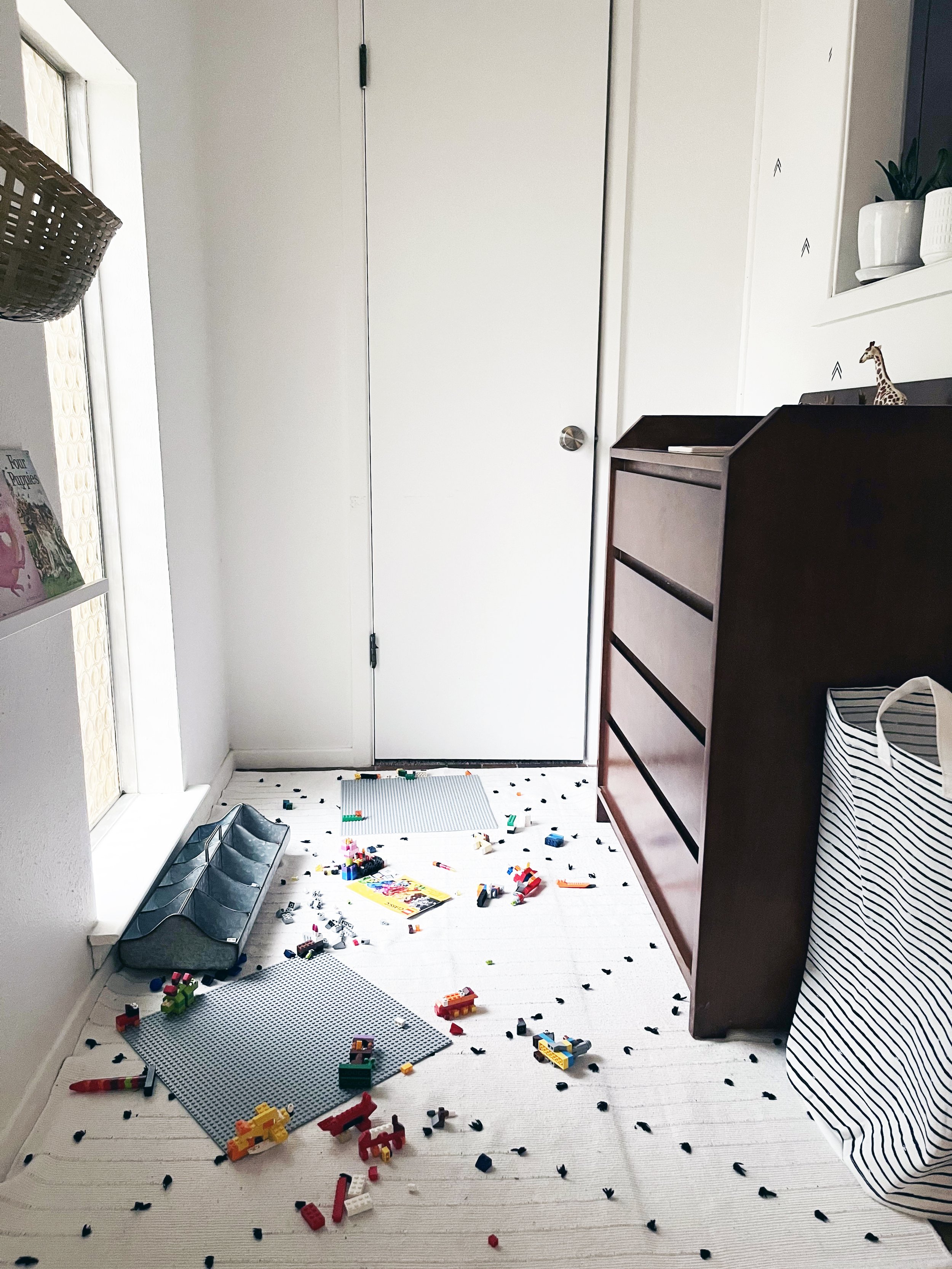
PHOTO NOTE: Most of what you see up above here is mess! It’s actively in use, it has a home + is easily wrangled.

PART 5: “Mess and Clutter are the same thing.”

This is one of most shocking revelations you can make in your home to preserve your time + energy.

Here’s how to know the difference between mess + clutter:

〰️ MESS are things actively in use / think crafts your kids are currently playing with / piles up items in the entryway from weather shifts this week / clothing you wore than needs to be tossed in the to wash basket or hung up to wear again.

〰️ MESS comes + goes.

〰️ MESS can be wrangled + put back in a designated home quickly + easily.

〰️ CLUTTER has no intentional spot in your home.

〰️ CLUTTER is likely not in use + yet is constant - it’s lingering around, it’s making your daily tasks much harder than they need to be.

〰️ CLUTTER needs to leave your home - it’s not helpful day to day, it’s not worth the space it takes up, it does not make daily life better, it does not make daily routines easier. It does not add joy to your home.

Start scanning your home today + see what’s mess + clutter in your home.
What do you notice when you look at your spaces with fresh eyes?

PRO-TIP: Deal with mess when you can. As you identify clutter in your home, create an exit plan for it + have a donation bag/box ready at all times!


PART 6: “Decluttering ALWAYS takes a lot of time.”

The truth is that decluttering can take as much or as little time as you want. You can weave it into any schedule, lifestyle or family dynamic.

Here’s some ideas on how to approach decluttering in smaller bursts of time:

〰️ focus on one small zone - your everyday day bag, one drawer, one shelf, one cabinet.

〰️ put a timer on for 10-20 minutes to help you focus in one area OR do a quick sweep through of your home for items to declutter

〰️ focus only in one room for whatever amount of time you want / I suggests breaks every 45 minutes (leave that space, walk around then come back) if you want to declutter longer on that area

〰️ declutter by one specific category - like books, jackets, shoes, games, kitchen utensils, papers, etc.

PRO TIP: Combine these strategies for even more ideas on how to declutter in short bursts in your home to create your own “super strategies!”

Example: Put the timer on for 15 minutes, focus on one category in one room in your home (like the bathroom focusing on decluttering expired + not used toiletries)


Get creative with these strategies to fit the needs of your home. You will soar, promise!


PART 7: “Decluttering is NOT FUN.”

Decluttering has a stigma around it - it’s miserable, it takes a lot of time, it gets messy + it makes you feel bad about yourself.

I want to invite you to consider some alternative perspectives around decluttering:

〰️give away without guilt - you will not get your money back you’ve already spent - responsibly put items to good use in the community + move forward

〰️use impulse buys or even well thought out buys that flopped as helpful information - ask questions around the purchases to help you make better decisions moving forward - why were they a flop?

〰️we are all human + learning! Be kind to yourself as you continue to refine your daily essentials + be resourceful with your time, energy + money

〰️know what you have + where everything is in your home - don’t ever underestimate the power of knowing that you have enough to take care of your daily needs + where to find everything - this brings on safety + peace

〰️rediscover + find things you maybe haven’t seen in a while - once you know you want to keep it, give it an intentional home, take care of it + move forward!


WHAT TO DO NEXT:

〰️ Download my free declutter guide to get you taking quick + easy decluttering action in your own home (linked in profile).

〰️ Click the follow button for @fuzzyhipposhop to follow along for more decluttering tips + basics to get you unstuck in your home!

〰️ Make sure you go watch all the 7 Decluttering Myths in my instagram feed below (all reels take less than a minute to watch)!

Thanks for following along as we de-myth decluttering for our homes + get unstuck!

 
Read More
DECLUTTER, DONATIONS, SIMPLIFY, TIME SAVERS Fuzzy Hippo Shop DECLUTTER, DONATIONS, SIMPLIFY, TIME SAVERS Fuzzy Hippo Shop

Declutter 100 Items in 30 Minutes Challenge - Part I

A few weeks ago, I was feeling overwhelmed in my home and was noticing random things for days on end that needed to be decluttered. I kept pushing them off saying I would come back to it on the weekend. With soccer, family time and gardening needs ramping back up, I kept forgetting to come back to it. So in the middle of the week, while my kids were at school and I was taking a break from my home and work to do list, I set the timer for 30 minutes to declutter. Today I’m sharing the process and the results.
A few weeks ago, I was feeling overwhelmed in my home and was noticing random things for days on end that needed to be decluttered. I kept pushing them off saying I would come back to it on the weekend. With soccer, family time and gardening needs ramping back up, I kept forgetting to come back to it. So in the middle of the week, while my kids were at school and I was taking a break from my home and work to do list, I set the timer for 30 minutes to declutter. Today I’m sharing the process and the results.

A bit more background on this - I spent my time in only a few zones in my home; this was not a full house effort. Because the timer being on for only 30 minutes, I had to merely scan for items I could easily declutter, without much thought. They had to be quick, easy decisions. The overall goal of this challenge is to get things out of the house I already knew needed to go, and maybe find a few treasures along the way!

Another tip - I did not spend time reorganizing things in the spots I was decluttering during the 30 minutes. I circled back after to tidy things up and reset / reorganize any spots that needed it. Focus on speed decluttering for those 30 minutes only. Reorganize if need later on.

Alright, well do you want to see the results?

TIP: Decluttering your every day bags are a great place to start to make quick, mindless decluttering decisions in a snap!

Reminder: This is not a full house declutter. This is what I call “hit the highlights in a few zones for 30 minutes” decluttering. Or you can focus on just one zone. It’s totally up to you! I had a few spots in mind that I knew needed my attention and that I could make quick decisions in, so those were priority for this quick decluttering session.

My favorite Time Timer to get set up.

Our ThredUp collection box for decluttered items.

A peek in on our declutter box a few minutes in!

A hallway zone before I decluttered some decor.


What items to look for while you’re decluttering:

✔duplicates not in use ✔broken items ✔things no longer in use or outgrown ✔items and extra packaging/paper that can be recycled ✔items that are just trash ✔things in good shape but you’ve fallen out of love with to donate ✔collect items that need to be put away elsewhere in the house or given away/returned to someone ✔remove expired items like toiletries and food items (that’s as mindless of a decision as it gets!) ✔take note of wasted items that you won’t buy again or will buy less of in the future ✔take note of anything you run across that needs to be restocked

Categories to sort your items into as you declutter:

Donate (clean, in good shape, someone else can use the item)

Recycle (can be recycled in your area, check locally)

Textile Recycle (I do this separately with various companies like For Days or Ridwell might be in your area - check locally for other free options close to you)

Sell (for this round, it’s only books we’ll sell to Half Price Books)

Relocate (items removed from one area that you want to keep but need to go in another area of the house or given to someone/returned)

Trash (well, it’s just trash and it is the last resort if it doesn’t fall into any of the above categories)

You can have bags, boxes or baskets dedicated to each category as you go, or just throw everything in one bin (like in your laundry baskets for example) and sort things when you’re done. Use what you have and keep it simple!

Here’s the breakdown below of what I decluttered. After the 30 minutes, I sorted everything into categories then totaled them up.

✔Donate: 25

  • 3 oven mitts

  • 1 unscented candle

  • 2 over the door hooks

  • 1 kids tshirt

  • 3 vase/vessels

  • 1 glass cleaning

  • 1 drawstring bag

  • 1 bag Velcro pieces

  • 1 bag extra headphone ear covers

  • 3 key chains

  • 1 birthday necklace

  • 1 mini sewing case

  • 1 mystery cord

  • 15 hair new accessories

✔Sell: 8

  • 8 books (will take to half price)

✔Recycle: 32

  • 4 tea bag boxes

  • 1 Empty vitamin bottle

  • 12 paper towel/toilet paper rolls

  • 1 plastic yogurt container

  • 2 magazines

  • 1 cardboard box

  • 1 paper item

  • 1 plastic tray

  • 2 spice jars (clean out first)

  • 1 empty spray vitamin bottle

  • 6 random pieces of paper

✔Textile Recycle: 1

  • 1 old kitchen towel

✔Relocate: 12

  • 3 kids bracelets

  • 2 packs of seeds

  • 1 clip

  • 6 large shells

✔Trash: 61

  • 3 receipts

  • 34 tea bags

  • 1 bag sugar sprinkles

  • 1 empty super glue bottle

  • 19 plastic knives

  • 3 pieces random trash

✔Decluttering total: 139

_______________________________________

You can see the full break down of this Declutter Challenge, with short videos, more photos and details in my Challenge Highlight on the gram.

Check out our donation resources and more HERE.

See more Sell, Donate, Recycle + Toss Resources HERE

My donations from this round went to Leukemia of Texas Resale Center.

So what’s next?

Now it’s time for YOU to dive into your own (short burst of time) declutter challenge! Use whatever time you have, 10, 15, 20 minutes or 30 if you’d like, and see what you can do! This is how decluttering in real life actually works, when we can sprinkle it into our everyday, when we can, as time permits. But don’t obsess about the number of items leaving your home, just aim to remove things you know you no longer need, in as little time as possible (with as little mental effort as possible)!

I know I’ll be back with another round of this soon because my garage has been calling my name…see you then!

If you’d like MORE HELP decluttering + lightening the physical + mental load in your home, here’s a few great places to start.

Free Declutter Guide

Learn the basics of Decluttering

Parents + Kids Guide To Decluttering

No B.S. Guide To Decluttering

Declutter Your Home Masterclass

Work with Kristin

Read More
DECLUTTER, SIMPLIFY Fuzzy Hippo Shop DECLUTTER, SIMPLIFY Fuzzy Hippo Shop

Why Clutter + Mess Are Different (And Why You Need To Care About It)

After countless conversations with clients, family and friends, it has become abundantly clear that there’s lots of confusion around the difference between clutter and mess in the home. Any why should you even care about their differences? So today we’re going to clarify the differences between clutter and mess, so you can get

After countless conversations with clients, family and friends, it has become abundantly clear that there’s lots of confusion around the difference between clutter and mess in the home. And why should you even care about their differences? Because they effect your home and life in drastically different ways. How many times have you heard from someone (or you’ve said it) “my home is an absolutely mess!!” Probably ALL of us! But is it just mess or is it possibly clutter?

The reason why we need to care about the difference between clutter and mess is that you need to deal with them differently. I have different strategies to help you improve your home environment and live better in your home when you tackle them each intentionally.

So today we’re going to clarify the differences between clutter and mess, so you can get both under control, prevent them from surfacing and simplify managing your home for good.


So what does MESS look like in your home?


Most mess is created by things that will likely stay in the home (with few exceptions like leftover paper scraps from a craft that can be recycled).

They’re things actively in use it just might be temporarily out of place.

They’re things involved in your everyday that you want to keep like clothing you’re wearing often (that need to be hung up/put away), toys the kids are playing with (that need to be put back in their baskets), books that are still being read (that need to be placed back on the shelf), kitchenware and tools that help make your meal prep/cooking go smoothly (that need to get tuck back in the cabinet).

They’re items that likely need to be relocated, cleaned or put back in it’s home. But they’re all items that are essentials for your home and are actively being loved and used. They just might need a little reset or tidying!


What does CLUTTER look like in your home?


NOTE: There’s reoccurring clutter and occasional clutter. Let’s break it down next so you know how to spot them both and easily deal with them.

Reoccurring clutter comes into your home or surfaces frequently simply because of daily life. It can easily pile up if ignored (like mail, trash in your everyday bag, school papers/art/information, expired foods, expired toiletries, etc.)

Occasional clutter surfaces as a response to changes/shifts in your life. Clothing being outgrown, aesthetic tastes changing, developmental needs changing or by needs that surface because of shifts in daily life (outgrown clothing, toys that are no longer being played with, books that are no longer being read, decor that you’ve fallen out of love with, clothing you are avoiding in your closet, items you no longer need after a move to a new home in a new city).

They’re in the mix with your everyday essentials and are making your daily tasks harder than they need to be.

They’re items that need to leave the home, like a stack of mail that needs to be gone through taking up valuable countertop space in your kitchen.

Clutter wastes your time and causes you to dig through through it to get to the stuff you actually want to use/consume.

Clutter wastes your energy by forcing you to devote effort and bandwidth to manage things that don’t support your everyday, basic needs. Clutter makes life harder than it needs to be.

Now are you ready for solutions on how to deal with CLUTTER + MESS? Oh good!


How to deal with MESS in your home.


Opt in for a daily reset, even if it’s just for a few minutes. Mess (items that will stay in your home but need to be tidied) can benefit from a daily check in, whatever time of day works for you.

Utilize a large “relocate basket” throughout the day/week for items that need to be put away. The home can have one of these, one for each person in home, or a few for high traffic areas in the home. Choose what works best for you and your family. Walk your home with a large bag or basket and put everything in it that needs to go back to another room. Next, where you’re able to, put things back, room by room, until the container is empty. Done!

Clean up as you go, when you can. This will save you from a mountain of things to put away at the end of the day. Focus on common use items like dirty dishes, worn clothing, most used table tops, counter tops and toy clean up.

Time block reset times for the home during the week or for certain zones of the house that tend to attract more mess (like the kitchen, living room or play zones). Set a timer for a short time to do a room or general home reset. Reward yourself when you’re done!

Recruit help and encourage everyone in the home to take care of the needs of the home. Show each person what they can to do contribute. Everyone who lives in the home should chip into this effort in an age appropriate way.


How to deal with CLUTTER in your home.


Check in weekly on reoccurring clutter creators, like mail, school work/papers, and food. Tailor this to the needs in your home.

Make quick decisions about clutter. Focus on removing items first that don’t require thought, like expired products/food, mail, school papers, invitations, magazines, trash, recyclable goods, clothing that doesn’t fit anyone in the home anymore.

✔ Don’t over-complicate eliminating clutter from your home. Focus on the facts about item and why it needs to leave your home (ex. the food is expired, it must be thrown out because it’s not safe to consume) to help you make quick decisions.

Observe common clutter zones/category in your home. Think kids clothing, toys, mail, consumables (toiletries, food, consumables, etc.). These hot spots in your home should be top of mind for items that need to be removed frequently from your home. Check in on them as often as your able to, minimally once a month.

Create a designated spot for these decluttered items that will move on to donations, like clothing, books, toys and decor. Recycle as much as possible (check locally for what’s excepted). Drop off donation items once a month, or as soon as possible!

When decluttering items that you feel more connected to, make sure they are actively in use, bring joy/value to the home and make life easier. At least 2 of these attributes should be at play, but ideally all 3 are at play. Anything that has a negative association with it, that mentally drains to you or brings up painful memories, should be removed from the home immediately.

Prevent clutter from coming in your home through intentional consumption. Delay purchases and do research first to make more sound buying decisions, avoid duplicates, use what you already own, borrow from family/friends, and utilize free resources in your community (like buy nothing groups, libraries, etc.).


Now let’s recap what we’ve learned about MESS + CLUTTER.

Mess is temporary and easy to reset/clean up.

Clutter should not stay in your home and is not an active part of your daily life and is not bringing value to your everyday.

Resetting the home and frequent check-ins on reoccurring clutter (like mail) and occasional clutter (like outgrown clothing/toys) will keep your home functioning smoothly and efficiently! And oh by the way, you’ll save an incredible amount of time, energy, and money, allowing you to create a more peaceful home. Yes, please!

So next time you see a pile of chaos in your home, make sure you ask yourself “is this mess or is it clutter”? This is simple question will help you can take quick action to deal with it. You’ve got this my friend!


If you’d like MORE HELP decluttering + lightening the physical + mental load in your home, here’s a few great places to start.

Free Declutter Guide

Learn the basics of Decluttering

Parents + Kids Guide To Decluttering

No B.S. Guide To Decluttering

Declutter Your Home Masterclass

Work with Kristin

Read More
DECLUTTER, SIMPLIFY, TIME SAVERS Fuzzy Hippo Shop DECLUTTER, SIMPLIFY, TIME SAVERS Fuzzy Hippo Shop

Benefits of Decluttering (Part III): Results to Expect in the Coming Months + Years in Your Home

So what happens in the coming months and years after you’ve decluttered? And what benefits can you expect? We’ll dive into all of this today!

If you missed the previous blog posts on this topic, you can find them here and then come on back to us! Benefits of Decluttering (Part I - Immediate Results) / Benefits of Decluttering (Part II - Results the Days + Weeks After)

We’re deep into a 3 part blog series where we discuss all the benefits of decluttering at various stages after you declutter. The value in taking the time to break this down is to help you know what’s ahead and encourage you anytime you start decluttering. So let’s begin with Part III, the benefits you can expect in the months and years after you’ve decluttered in your home.

1. You’ll save $ + reduce waste.

Decluttering has so many benefits that are ongoing LONG after you’ve decluttered that you need to be aware of.

You’ll save money by not overbuying + reducing impulse buying.

✓ The decluttering process helps you take inventory of what exactly is in your home, what you need + what you already have enough of.

✓ You’ll notice BIG $ savings in your kitchen (intentionally buying groceries), bathrooms (toiletries you actually use + can store), closets (only clothing, shoes, accessories you need/love), + with your kids (clothing, toys, books that are age appropriate/fit).

Awareness of what you already own helps you reduce waste by not bringing things into your home that you don’t need/less to manage.

✓ You’ll gain more clarity on what should be allowed into your home + what will just end up being another thing to manage/take away your time.

2. You’ll reduce stress + have more peace in your home.

This is one of the hardest things to help someone (or a client) understand until they’re living it. You often hear “don’t sweat the small stuff (the details)”…and an unpopular opinion here, you need to. Your entire day is made up of the small stuff/details, and if those details are draining, taking too many steps and miserable, well…that sounds down right awful! The small stuff matters. The details of our life matter.

Stress in the home is a byproduct of managing too much and inefficiencies in daily routines sprinkled all over the home.

Reducing clutter in your home brings a lightness into your home by way of less objects to look at and maintain.

Physical and mental energy is freed up, bringing more peace into your home. This lightness and peaces allows daily routines and habits to be less stressful. Couple this with greater organization throughout your home and WOW, life gets really good!

3. You’ll be able to rest better + recharge in your home.

Decluttering your home completely changes your home environment. It creates spaces that support the individuals in the home, not spaces that fight against you and drain you. Long after you declutter, you’ll see the benefits in how you can more deeply and effectively recharge in your home.

Decluttering the home is a key stepping stone to creating spaces that become your refuge from the chaos of the outside world.

The result of more peace in your home (as we just discussed) allows you to rest more in your home + feel recharged by simply being in your home environment.

✓ As months and years go by, we either create spaces that drain us or allow us to thrive (we must choose wisely).

Real talk: We cannot get away from the daily responsibilities of life and unpredictable stressors that pop up, but we can make them easier to deal with by way of less clutter, less in your home to manage and by surrounding yourself only with items you use, love and bring value to your life/home.

4. You won’t have to declutter as much.

Now I have your attention I’m sure!!

There’s ebbs and flows with decluttering. At the beginning, when you first start the process, there’s likely going to be a lot more time, effort and energy exerted to hit the ground running. Many want to quit here before it gets good…please don’t! Later on, as you hone your decluttering skills and build confidence in your decision making, it becomes a way of life and much less time is spent on it.

Decluttering is a way of life.

It’s not about spending countless hours removing things from your home. It’s about donating the shoes your child has grown out of. It’s about doing a seasonal pass through of your outerwear and donating it to a local church or shelter. It’s about removing expired items and taking note of the ones you will no longer buy.

Decluttering is about focusing on the essentials (the things you need to thrive in your home everyday) and making every item in your home earn its place in your home.

Decluttering is most effective in short bursts, in the months and years down the road, to check in on/maintain what you’ve already started.

You become a more intentional consumer and therefore less clutter walks in your door to begin with! Woo hoo!!!

Beyond the energy and sanity you’ll save, the money you’ll save over the coming months and years after decluttering will blow your mind. My clients frequently share with me how they easily they recover the costs of decluttering support/guides and even make money after decluttering from selling items/not overbuying things for their home.

These simple acts of decluttering in your home have massive, long term effects you can feel GOOD about! Keep going, you can do it! All your effort is worth it, promise.

If you’d like MORE HELP decluttering + lightening the physical + mental load in your home, here’s a few great places to start.

No B.S. Guide To Decluttering Parents + Kids Guide To Decluttering

Free Declutter Guide Learn the basics of Decluttering Organizing Basics

Declutter Your Home Masterclass Shop all Declutter + Organize Guides/Products

Work with Kristin

Read More
DECLUTTER, SIMPLIFY, TIME SAVERS Fuzzy Hippo Shop DECLUTTER, SIMPLIFY, TIME SAVERS Fuzzy Hippo Shop

Benefits of Decluttering (Part II): Results to Expect in the Coming Days + Weeks in your Home

So what happens in the coming days and weeks after you’ve decluttered? And what benefits can you expect? We’ll dive into all of this today!
So what happens in the coming days and weeks after you’ve decluttered? And what benefits can you expect? We’ll dive into all of this today!

If you missed PART I of the benefits of decluttering blog series, you can find it HERE, then come back to us!

We’re deep into a 3 part blog series where we discuss all the benefits of decluttering at various stages after you declutter. The value in taking the time to break this down is to help you know what’s ahead and encourage you anytime you start decluttering. So let’s begin with Part II, the benefits you can expect in the coming days and weeks after you’ve decluttered in your home.

1. You’ll save time + energy.

While you’ll notice this immediately, this becomes more obvious a week or so after you’ve decluttered in a space. Let me give you some examples of how this can play out.

In the Kitchen:

  • Your food prep takes a fraction of the time because you’re not fumbling through drawers digging for the right chopping knife or tools to get it done.

In the Bathroom:

  • You’ve removed all the products/toiletries you don’t use or have expired + have only kept the ones you use regularly in an easy to find, easy to reach spot so your morning routine goes so much smoother.

In the Closet:

  • You’ve paired down your hanging clothes/drawers to clothing you wear regularly, enjoy wearing + fit well. Getting dressed is no longer a chore + you can easily see and access what you’ve decided to keep.

Small bits of time saving equal large amounts of time gained over time, resulting in less energy spent on daily tasks because they’re easier to complete. Yes, please!

2. You’ll crave more efficiency throughout your home + know how to make it happen.

Buckle up because things are about to get REALLY GOOD! Once you declutter in one area of your home and experience how life feels in a newly streamlined spot in your home, it’s contagious!

You’ll begin to notice other “inefficiencies” throughout your home and that’s OK! An overstuffed drawer, a cluttered counter, a bag with a bunch of random in it so you can’t find anything, spots throughout your home that collect clutter piles, spots where kids struggle to put things away…it will feel like there’s spot light over these spots because you now know how to detect them and how to resolve them! Woohoo!

DO NOT BE AFRAID OF FINDING MORE CLUTTER TO DEAL WITH IN YOUR HOME (I’m not yelling, I’m just really passionate)!!

✓Take things one zone (start small) at a time, as you are able to. ✓Declutter that spot to support what you typically do in that spot/things you’d like to do there in the future. ✓Declutter around those goals + then start living with it!

You will have higher standards for the quality of your home environment now + that’s OK!! Welcome to living your best life!

3. You’ll become more intentional about your days + your life.

While we tend to focus on the “physical stuff” creating clutter in your home, when you declutter throughout your home, you realize the impact ‘things’ can have on you time/schedule.

Our days become filled up with inefficient tasks + managing stuff that we don’t even need or want. So many things become so much harder, take too many steps + take up way more time than they need to simply because of having too much stuff/things in the wrong spots in your home.

✓ You’ll start to become more intentional and protective about how you use your time.

✓ You’'ll clarify what’s most important to you + how that translate to how to spend your hours each day.

✓ Dare I say you might even start “decluttering your schedule” + removing things from it that no longer add value to your life.

Just as we do this with physical objects through decluttering, you’ll learn there’s a directly connection to your time as well.

Your time is so precious + invaluable, protect it fiercely my friend!

REMINDER: Sometimes decluttering in a spot might simply mean rearranging or moving items in a way where they’re easier to see + use. It’s not always about getting rid of stuff!

COMING UP NEXT in Part III of the Benefits of Decluttering…

The results you can expect in the coming months + years after decluttering in your home! See you in the next post!

If you’d like MORE HELP decluttering + lightening the physical + mental load in your home, here’s a few great places to start.

No B.S. Guide To Decluttering Parents + Kids Guide To Decluttering

Free Declutter Guide Learn the basics of Decluttering Organizing Basics

Declutter Your Home Masterclass Shop all Declutter + Organize Guides/Products

Work with Kristin

Read More
DECLUTTER, SIMPLIFY Fuzzy Hippo Shop DECLUTTER, SIMPLIFY Fuzzy Hippo Shop

Benefits of Decluttering (Part I): Results to Expect Immediately in Your Home

So what happens in your home immediately after you declutter in it? What results can you expect? We’ll dive into all of this today!

We’re moving into a 3 part blog series where we discuss all the benefits of decluttering at various stages after you declutter. The value in taking the time to break this down is to help you know what’s ahead and encourage you anytime you start decluttering. So let’s begin with Part I, the immediate benefits and results you can expect when you declutter in your home.

1. Your home will look different.

I’m guessing you knew this part. But let’s unpack it a bit further. When you declutter, your home will look different by way of removing items you no longer need or relocating items that would be best suited for other areas of your home. You’ll see spaces differently as you start to peel back the layers of “non-essentials” that have taken over your home and remove them from your space. This will reduce “visual clutter” that can stack up throughout your home.

Focus on removing items collecting on horizontal surfaces (like counter tops and tops of furniture) that can be donate, recycled, toss or simply tucked away (if it needs to be kept but doesn’t have to be out). Focus on removing items that might be tucked away (and out of sight) that make finding your everyday “essentials” more difficult. Essentials in your home make daily life easier. Decluttering aims to create more ease and more peace throughout your home, putting those essentials into focus.

You’ll also start seeing all your favorite items around your home with fresh eyes. Your favorites (most valued and love items) will take center stage because they’re no longer covered up by items that have no meaning or value to you. Your favorite collections, furniture, artwork, books, photos, etc. will take prominence in your home and add to your daily joy and happiness in your home!

2. Your home will feel different.

The reason why your home will feel different as you move through it (after decluttering in any space) is because there’s physically less stuff weighing down your environment. Each and every item in your home grabs for your attention, so you must be incredibly intentional about what you allow into your home, knowing that it will ultimately pull from your energy/daily bandwidth.

In my own home, and often reported from my clients, is a feeling of ease and lightness that happens in their home as they move through their decluttered spaces. There’s two parts to this: 1) The removal of and lessening of physical objects you have to maintain/clean/care for creates physical lightness and 2) reducing the mental load of things in your space creates mental lightness. The mental load is the weigh of objects grabbing for your attention without you even knowing it, creating visual clutter for your brain to continually process and spend energy on. You feel the relief of this “intangible weight” lifted once items you no longer need are removed from a space and your brain no longer has to make decisions about them. It’s a gift. Get ready for greater focus, clarity of thoughts and calm.

3. You’ll gain confidence with your decision making.

This is often one of the most invaluable and overlooked benefits you’ll gain immediately after decluttering - confidence in your decision making.

Decluttering, as I love to describe to my clients, is much like a muscle. The more you practice, the more you strengthen and fine tune this muscle. If you’ve found yourself struggling to make decisions in other parts of your life, you’ll find decluttering a drawer and making quick, simple decisions a boost for your overall decision making skills.

Decluttering helps you value your current seasons of life, trust yourself/your thoughts, clarify your needs and build confidence in your ability to intentionally act on them. One of the greatest noted stressors in life comes from delayed decision making or procrastination , which often comes from overwhelm. To curb this, start small…I mean really small. One corner of a counter, one small drawer, an everyday bag…then go from there!

COMING UP NEXT in Part II of the Benefits of Decluttering…

The results you can expect in the coming days + weeks after decluttering in your home! See you in the next post!

If you’d like MORE HELP decluttering + lightening the physical + mental load in your home, here’s a few great places to start.

No B.S. Guide To Decluttering Parents + Kids Guide To Decluttering

Free Declutter Guide Learn the basics of Decluttering Organizing Basics

Shop all Declutter + Organize Guides/Products

Read More