DECLUTTER, KIDS, MOTHERHOOD Fuzzy Hippo Shop DECLUTTER, KIDS, MOTHERHOOD Fuzzy Hippo Shop

Decluttering Clothing With Your Kids Successfully: Focus On These 3 Things

If you’ve ever found yourself struggling to declutter clothing with your kids, you’re in the right place. As I write this, I’m thinking about reading several of the Junie B. Jones books in which she comments about getting into a “tussle” with her mom over things they’re not seeing eye to eye on. Based on many conversations I’ve had with our community here, family, friends and clients, this idea of a “tussle” often rings true when we think about corralling our kids to declutter clothing (or really anything) with us, the parents, the mamas, all of us!

If you’re interested in a different path where we mostly avoid these “tussles”…keep reading! We’ll focus on 3 key things to help you and your kids declutter clothing intentionally, without the overwhelm, with specific strategies that work.

1. MAKE THE PROCESS SMALL + SIMPLE.

What exactly do I mean by this? Here’s a few examples on how to do this.

  • go through clothing one category at a time - shoes, jackets, underwear, socks, t-shirts, dresses, etc.

  • review clothing one drawer at a time (not the entire credenza, unless you all have the steam for it)

  • pick a small zone of clothing to declutter, like one small section in the closet.

  • set a timer for 10 minutes and focus on one area, category or pile of items only.

  • have your kids pick a clothing category or 2 of their choice (like shoes and shorts for example).

  • make it into a game your kids can control to review clothing categories - have your kids write down categories of clothing that need to be gone through on a small piece of paper and toss them in a bowl (like jackets, bags, socks, t-shirts, etc.). Have them pick a category one at a time and take turns who gets to pick! Go through as many as you can and come back to the rest when you have time.

Bonus points and improved results when you combine some of these strategies! But keep it small, keep it simple, don’t look at the entire closet all at once and overwhelm your brain with too many decisions. Also, it never hurts to put on good music while you declutter together! Let your kids alternate being the DJ if you have more than one in the mix!


2. FOCUS ON WHAT YOU’RE SEEING THEM NOT WEAR TO DECLUTTER, NOT WHAT THEY ARE.

Too often I see families trying to dive into an entire dresser of clothing or an entire clothing closet to declutter, when in reality, over 50% (or more) is actively being worn, used and enjoyed - these do not need to be assessed. You can ignore all the frequently worn items completely! Check what’s in the dirty clothes basket after a few days…take note of what’s in there! This is what’s being worn in this current season!

Once I discovered this observation, it completely changed the way I declutter clothing (and honestly everything in my home) from that point on.

  • DO NOT FOCUS ON DECLUTTERING ITEMS YOUR KIDS ARE USING, WEARING AND ENJOYING (can you tell I’m passionate about this…I promise I’m not yelling)! There’s no point in spending energy on this!

  • Focus on the dresses they never wear, the boots sitting and collecting dust in their closet, the jacket they avoided all winter, the hair bows they aren’t into anymore.

And oh by the way, the reason why we must check back in on clothing monthly or seasonally (see more details on this below) is because what’s actively being worn (and what actually fits) changes over time. We must expect these shifts and expect to check back in on what’s being worn to better respond to our kids current needs, just like we do for our own needs.

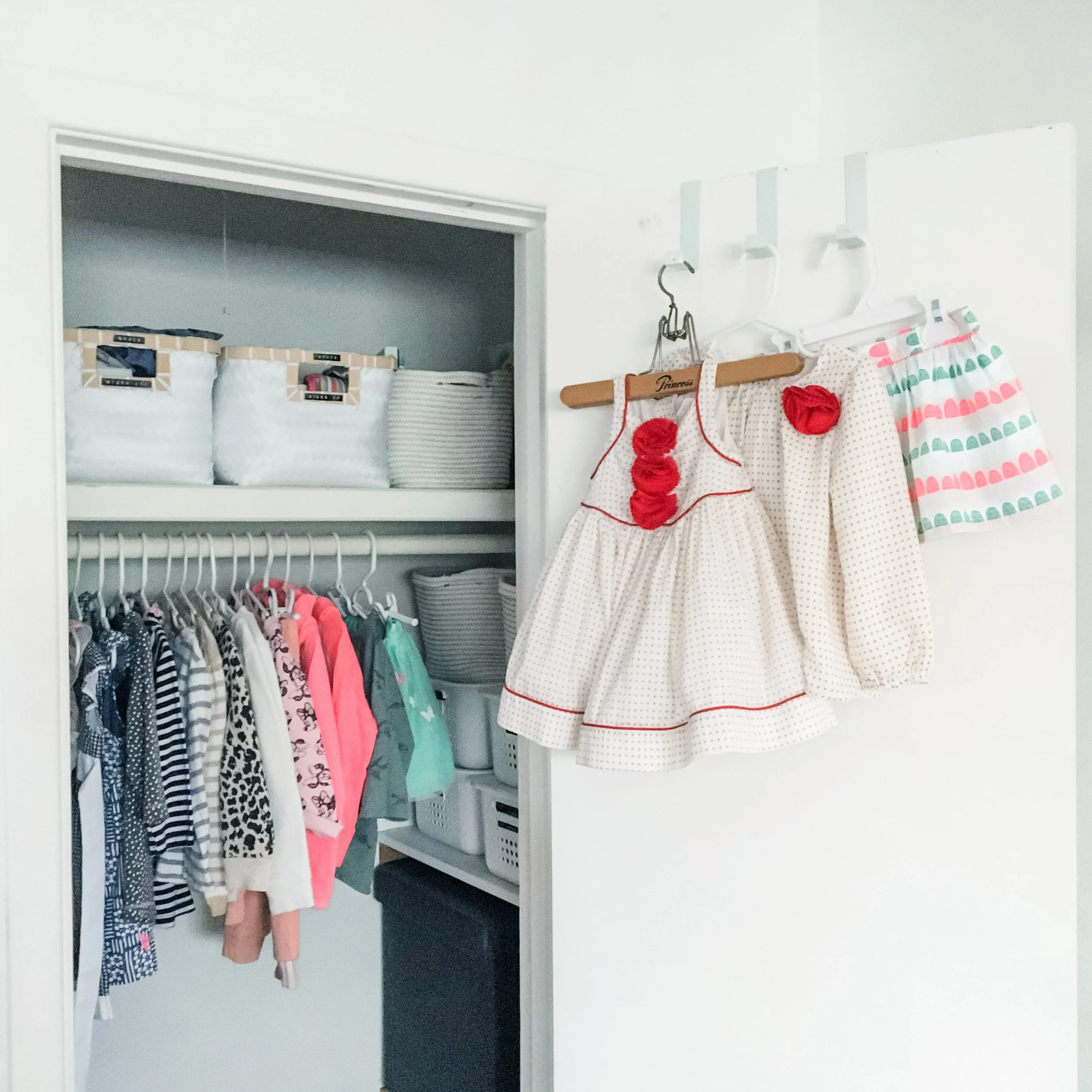
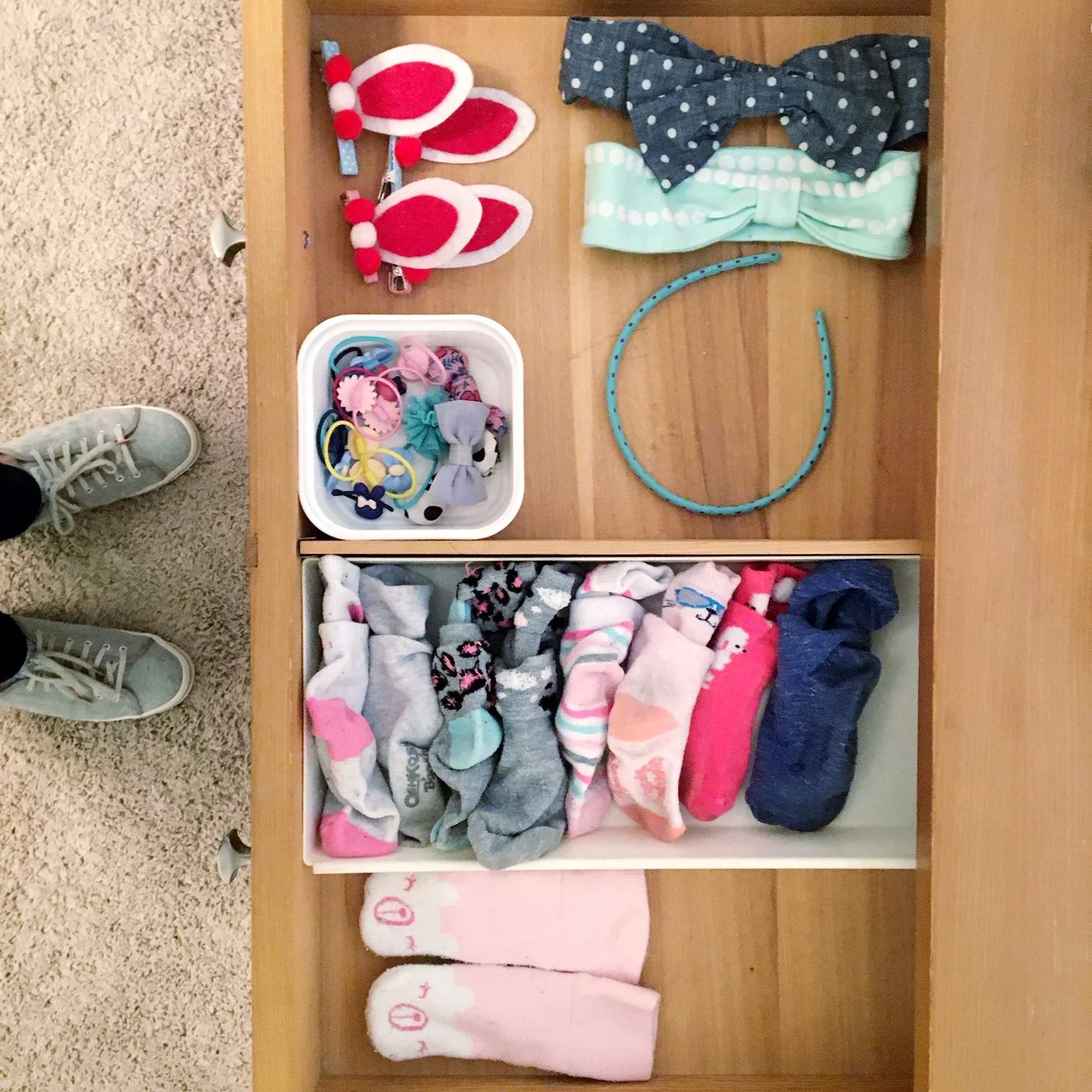
Bonus points is to declutter using the first tip above, combined with the filter of ignoring anything they’re currently wearing and enjoying. Like this drawer below for example, skip over anything in a drawer you know they’re wearing and just focus on the items you notice them never pulling out to wear. Have them do this assessment with you. Ask things like “is there anything in this drawer you don’t love anymore” OR “is there anything in this drawer that feels uncomfortable so you don’t want to wear it”? These will help start productive conversations that will lead to simple decisions. Do not speak for your kids, be an active listener and ask questions to help them assess what they have without judgement. See my Parents + Kids Guide To Decluttering if you’d like more help and strategies communicating effectively with your kids while decluttering (including age specific strategies).


3. CREATE A LANDING SPOT FOR OUTGROWN CLOTHING.

You’ll want to do this as a family and everyone should know where it’s located in the home. It can be a tote bag in the hallway, a box on the floor in the coat closet, a basket in the garage, etc. Regardless of what you choose, make sure everyone knows where it is and what should go inside of it.

How to use this landing spot for clothing that needs to leave the house:

  • Show some examples to your kids of what might go in this landing spot - like shoes they have outgrown/are too tight / a shirt that is now too short on them or too tight on their shoulders, jeans that feel too tight and are no longer comfortable.

  • Allow clothing items they’ve fallen out of love to land here as well - just note that sometimes items that they’re simply not wearing anymore because they don’t enjoy it is a good enough reason to have it leave the home (even if it still fits). We want to have things around us that we enjoy and are being actively used (this is the ultimate goal). This can include accessories, bags, shoes, outerwear, anything they wear on their body can be removed as needed.

  • Check in on this spot once a month. Aim to donate/remove these items monthly (or more frequently) if possible. Ideally we chat with our kids about what they’ve outgrown or fallen out of love with to see what needs to be replaces (or not replaced - even more important). Reviewing what’s in this donation spot is an opportunity to discuss and connect with your kids on needs, wants and what they enjoy. Clothing items that are beyond donating, giving away or selling should go to textile recycling if possible. Check locally or use a company like Trashie to responsibly recycle textiles/worn out garments.


+ Beyond this, consider a monthly scan/check in on outgrown clothing (especially when your kids are growing at their quickest rate).

+ At a bare minimum, do a quick scan/decluttering burst with kids clothing (and all the things they wear) at seasonal transitions to lighten the load in your home and assess their needs.

+ SEASONAL TRANSITIONS throughout the year to help you anchor decluttering in your rhythms: Winter to Spring, Spring to Summer, Summer to Fall, Fall to Winter - so this results in a check in 4 times a year. This will keep the ship afloat in your home and help you avoid being buried by kids clothing that is no longer being worn/enjoyed!

+ If you’d like to dive deeper into decluttering with your kids, beyond kids clothing, I want to invite you to considering my Parents + Kids Guide to Decluttering. This is for parents and kids that want to learn how to lighten the load in their home, without the overwhelm, and free up time and space to live well together. It’s an absolute game changer for families…you have my sincere word.


WHAT TO DO NEXT:

+ Check out the KIDS STUFF zone for more free resources!

+ A game-changing resource for families: Parents + Kids Guide to Decluttering is a must for any family!!

+ See all KIDS focused resource throughout the website, from blog posts to helpful tools for your home.

+ Click the follow button for @fuzzyhipposhop_kids for more KIDS decluttering tips + basics to get you unstuck in your home on instagram!

+ Download my free declutter guide to get you taking quick + easy decluttering action in your own home (linked in profile).

Read More
DECLUTTER, SIMPLIFY, TIME SAVERS Fuzzy Hippo Shop DECLUTTER, SIMPLIFY, TIME SAVERS Fuzzy Hippo Shop

Benefits of Decluttering (Part III): Results to Expect in the Coming Months + Years in Your Home

So what happens in the coming months and years after you’ve decluttered? And what benefits can you expect? We’ll dive into all of this today!

If you missed the previous blog posts on this topic, you can find them here and then come on back to us! Benefits of Decluttering (Part I - Immediate Results) / Benefits of Decluttering (Part II - Results the Days + Weeks After)

We’re deep into a 3 part blog series where we discuss all the benefits of decluttering at various stages after you declutter. The value in taking the time to break this down is to help you know what’s ahead and encourage you anytime you start decluttering. So let’s begin with Part III, the benefits you can expect in the months and years after you’ve decluttered in your home.

1. You’ll save $ + reduce waste.

Decluttering has so many benefits that are ongoing LONG after you’ve decluttered that you need to be aware of.

You’ll save money by not overbuying + reducing impulse buying.

✓ The decluttering process helps you take inventory of what exactly is in your home, what you need + what you already have enough of.

✓ You’ll notice BIG $ savings in your kitchen (intentionally buying groceries), bathrooms (toiletries you actually use + can store), closets (only clothing, shoes, accessories you need/love), + with your kids (clothing, toys, books that are age appropriate/fit).

Awareness of what you already own helps you reduce waste by not bringing things into your home that you don’t need/less to manage.

✓ You’ll gain more clarity on what should be allowed into your home + what will just end up being another thing to manage/take away your time.

2. You’ll reduce stress + have more peace in your home.

This is one of the hardest things to help someone (or a client) understand until they’re living it. You often hear “don’t sweat the small stuff (the details)”…and an unpopular opinion here, you need to. Your entire day is made up of the small stuff/details, and if those details are draining, taking too many steps and miserable, well…that sounds down right awful! The small stuff matters. The details of our life matter.

Stress in the home is a byproduct of managing too much and inefficiencies in daily routines sprinkled all over the home.

Reducing clutter in your home brings a lightness into your home by way of less objects to look at and maintain.

Physical and mental energy is freed up, bringing more peace into your home. This lightness and peaces allows daily routines and habits to be less stressful. Couple this with greater organization throughout your home and WOW, life gets really good!

3. You’ll be able to rest better + recharge in your home.

Decluttering your home completely changes your home environment. It creates spaces that support the individuals in the home, not spaces that fight against you and drain you. Long after you declutter, you’ll see the benefits in how you can more deeply and effectively recharge in your home.

Decluttering the home is a key stepping stone to creating spaces that become your refuge from the chaos of the outside world.

The result of more peace in your home (as we just discussed) allows you to rest more in your home + feel recharged by simply being in your home environment.

✓ As months and years go by, we either create spaces that drain us or allow us to thrive (we must choose wisely).

Real talk: We cannot get away from the daily responsibilities of life and unpredictable stressors that pop up, but we can make them easier to deal with by way of less clutter, less in your home to manage and by surrounding yourself only with items you use, love and bring value to your life/home.

4. You won’t have to declutter as much.

Now I have your attention I’m sure!!

There’s ebbs and flows with decluttering. At the beginning, when you first start the process, there’s likely going to be a lot more time, effort and energy exerted to hit the ground running. Many want to quit here before it gets good…please don’t! Later on, as you hone your decluttering skills and build confidence in your decision making, it becomes a way of life and much less time is spent on it.

Decluttering is a way of life.

It’s not about spending countless hours removing things from your home. It’s about donating the shoes your child has grown out of. It’s about doing a seasonal pass through of your outerwear and donating it to a local church or shelter. It’s about removing expired items and taking note of the ones you will no longer buy.

Decluttering is about focusing on the essentials (the things you need to thrive in your home everyday) and making every item in your home earn its place in your home.

Decluttering is most effective in short bursts, in the months and years down the road, to check in on/maintain what you’ve already started.

You become a more intentional consumer and therefore less clutter walks in your door to begin with! Woo hoo!!!

Beyond the energy and sanity you’ll save, the money you’ll save over the coming months and years after decluttering will blow your mind. My clients frequently share with me how they easily they recover the costs of decluttering support/guides and even make money after decluttering from selling items/not overbuying things for their home.

These simple acts of decluttering in your home have massive, long term effects you can feel GOOD about! Keep going, you can do it! All your effort is worth it, promise.

If you’d like MORE HELP decluttering + lightening the physical + mental load in your home, here’s a few great places to start.

No B.S. Guide To Decluttering Parents + Kids Guide To Decluttering

Free Declutter Guide Learn the basics of Decluttering Organizing Basics

Declutter Your Home Masterclass Shop all Declutter + Organize Guides/Products

Work with Kristin

Read More
DECLUTTER, DESIGN, MOM LIFE, MOTHERHOOD Fuzzy Hippo Shop DECLUTTER, DESIGN, MOM LIFE, MOTHERHOOD Fuzzy Hippo Shop

How Architecture School Prepared Me For Motherhood

I had no clue when I was in architecture school (decades ago) how much of my day to day would translate directly into my life as a mother. Did it prepare me for everything? Of course not. Nothing can prepare you for motherhood, and I mean this in the best possible way. I could never have fathomed the ride I was about to take and the joys I would experience having children. I hope you’ll join me (regardless of your seasons of life right now) and delight in this group of life lessons that originally surfaced in architecture school, and has since resurfaced in my first 8 years of my motherhood journey. And if you’re not in the throws of motherhood, not to worry. Many of these ideas will be fitting for your life as well, regardless of your current life season/focus, so stick with us!

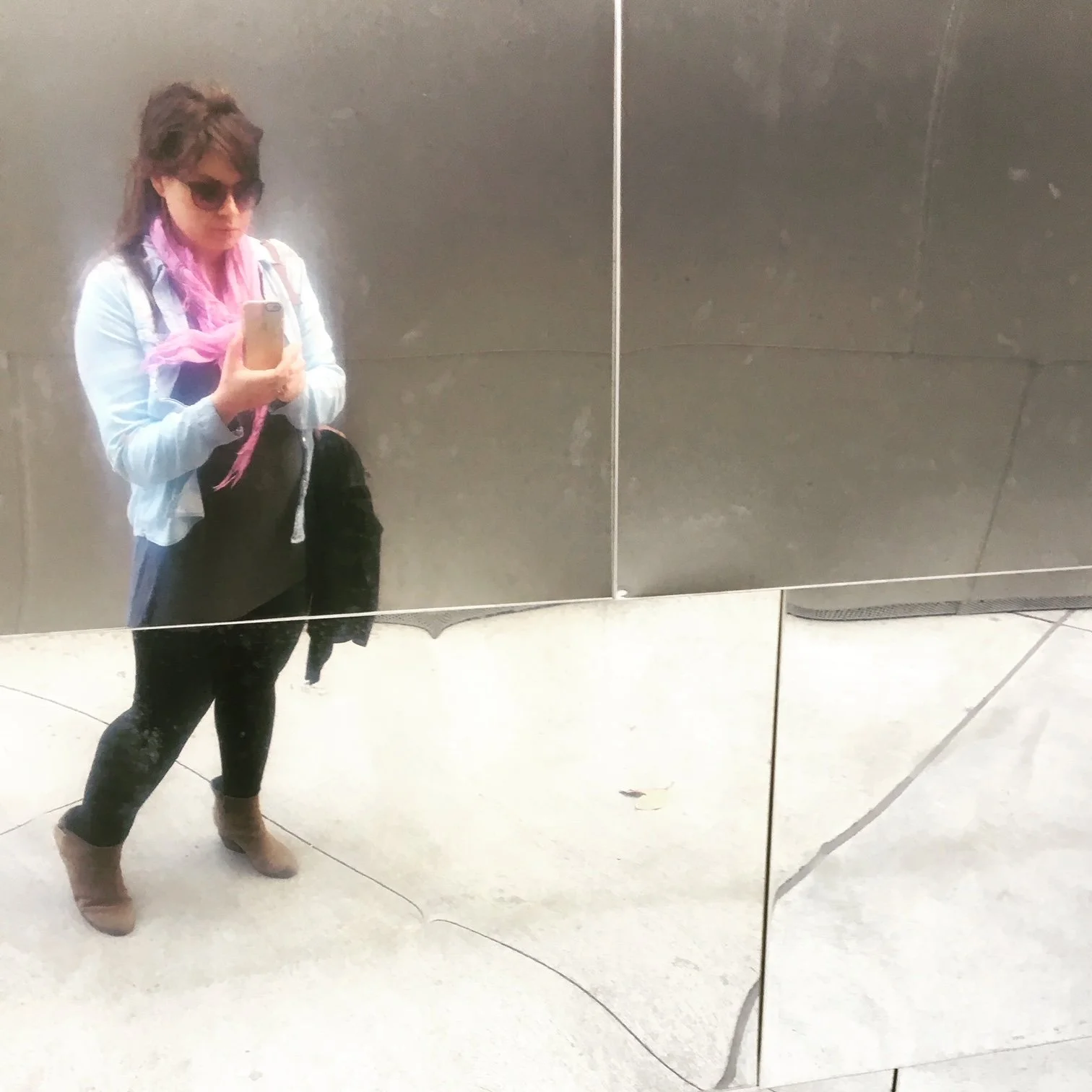
Me in literal reflection at Frank Gehry’s Walt Disney Concert Hall in LA. Here I was at the end of my 1st trimester with my second child + it was the first time I had ever traveled alone away from my toddler.

Your sleep will be compromised (at least for a bit).

Architecture School Perspective: During architecture school, pulling all-nighters happened frequently towards the end of big studio projects/deadlines. The sleep was poor, you felt like a zombie, and somehow things were getting done, even though it was hard to remember a lot of it. Note: I’m not recommending that you do this, in fact I got much wiser in graduate school and barely had any all-nighters and the results were much better both in my health and in my project quality! Your design studio projects feel a lot like a growing baby that you’re nurturing and paying continuous, acute attention to. Ironically at the terminus of the project, while you feel like you’ve birthed something profound, you simultaneously then must send it (your design project) out into the world for judgment and scrutiny. This now hits home.

Motherhood Perspective: The needs are high. The feedings and care demands of a baby are HIGH, resulting is less and choppy sleep. Duty calls. You have to step up and get the job done, whether you have help around or not. The jacked up sleep demands while caring for babies and young children last far longer than any project deadline in school. And I got to stop caring for that “baby” AKA “studio project” after my design presentation. I got to walk away from it. Not so much in motherhood. Which leads my to our next topic of needing breaks…

You need to take breaks often.

Architecture School Perspective: If I could tell the former architecture student version of myself one thing, it would be to take more breaks. Your brain and your body need breaks to reset. Your creativity/cognitive function greatly improves after you step away from what you’re focusing on, look at new things/surroundings and then return back. You think you don’t have the time and that your project is going to suffer if you walk away for any amount of time. So many problems and design issues were often resolved after I’d step away, take a break and come back later when my brain had a break.

Motherhood Perspective: This is 100% true as well in motherhood, even though it feels hard to take breaks for so many reasons, unnecessary guilt being one of them. You feel guilty because you think you’re needed all the time (which is often true) but even in these extremely needy phases with children, you cannot ignore your need for taking a break from care-giving. Sometimes taking a break is not by formally leaving the house, but by stepping outside, doing something completely different than caring for others, like water coloring or making yourself a fancy coffee. These all count. Asking for help from others counts. Sitting in silence/quiet for 5 minutes counts. These all help you reset. They are needed. They are essential. You have to intentionally take them or your body will force a break on you by way of sickness or mental health struggles.

Delight in as many details as possible.

Architecture School Perspective: The details that create “good” environments in architecture, interiors and in all design are layered and vast. The details add up to make the entire design and ignoring some results in “holes” in the project. Glaring areas that were missed opportunities where it looked like you forgot it was even there. Every studio professor will find those “holes” by the way. And odds are you already knew they were there. The details of how a user interacts with a space are critical and define the quality of user experience on a small and large scale. The details are everything.

Motherhood Perspective: Your world shrinks down rapidly to LOTS of details as a mother. It becomes ever so apparent in moments when your baby picks up the one hair ball you missed sweeping and you have to finger swipe it out of their mouth so they don’t choke. It is clear just how much the details matter. One thing I learned when my kids were very young (and even now) is how little I noticed before they were around. Our adult brain likes to gloss over the details of the day. And all those details, if we choose to engage with them and delight in them make for a pretty great day and existence. Ignore the details and the day becomes quite dull, colorless and bland. But please note: you will NOT be able to delight in ALL the details. Some are not pleasant at all and still need your attention. They are not in fact enjoyable, at all, and that’s OK.

Connect before you critique.

Architecture School Perspective: I was always so grateful for the studio professors that took the time to understand where I was at with my project, to meet me right where I was in the design process and offer support. To learn the direction I was trying to go, where my hang ups were, what decisions I was trying to make, and how I was planning to “tell the story” of my design concept. If they ignored this step, it was difficult for them to offer genuine mentorship for my project goals. Ignore the design student’s design goals and you ignore their process and offer advice that makes it your own, not theirs.

Motherhood Perspective: Meeting my children exactly where they’re at on a daily basis has completely changed my perspective on parenting. Telling myself “their story” and “where are they right this moment” helps better direct me on how I can offer support or stay on the sidelines until I’m needed. If I assert myself too much, their story becomes mine. Their learning journey becomes skewed. Their developmental timeline becomes someone else’s, not their own. I’ve learned to give breathing room while remaining close, even though it’s not always easy to do so.

Always question: does it need to be here or not?

Architecture School Perspective: I had a professor in graduate school that requested that we ask this question, “does it need to be here or not” throughout every design project. It became one of the most impactful things anyone ever said to me in design school (and down the road as it relates to my entire life). He would asks us to look closely at all the elements of our project, whether it was a building, an interior, a product, then go through each part and cover one element up. Then ask yourself, is it better or worse? Is the design lacking if it isn’t there? Is it better if it’s not there? I have used this assessment tool in all my designs since then and still do in my business, in graphic design projects and in designing spaces in my own home. And guess what, IT WORKS!

Motherhood Perspective: In motherhood, many times, there’s too much and everything seems important. A lot of needs are happening at one time. The list of “must-dos” seems long and endless. I have found over the years that when I actually sit down to assess this list, many things are truly not needed. They can wait or can be removed completely. They don’t need to happen right now. I’ve also applied this idea to the spaces in my own home, particularly with my children. Rooms that have felt stressful and overwhelming had too much in them. They needed to be intentionally decluttered. Things had to assessed and some items slowly removed to make way more living. It’s been a reminder that the greatest gift I can give my kids is space to move, explore and create in. Not by adding in more things, just open space. In times of overwhelm, I ask myself “does it need to be here?” Or “is this essential for the livelihood of myself, my family or my children?” Many times the answer is “no.” Sometimes it is “yes.” But learning to not only edit our physical space and how we use our time is life giving and life saving.

You’ll learn more simply by doing.

Architecture School Perspective: One thing I learned early on was that ZERO of my projects got better or more evolved if I just stared at them. I had to get over the uncomfortable phase of not having any or all of the answers upfront and just start somewhere. I had to move past the fear of doing things wrong, otherwise I would simply stay stuck. As I dug into each project and spent more time with it, the more “answers” seemed to emerged out of thin air. Decisions became easier to navigate and the design vision began to take over, making decisions for me it often seemed. The design concept became so clear that it was easy to say no to lots of exciting ideas that looked sparkly and enticing. It became easy to say no to things that would not serve the design well and would take away from the end goals.

Motherhood Perspective: For many of us, you are sent home with your baby after mere days and the learning curve is a STEEP dive into the unknown. I remember realizing that I hadn’t changed a diaper until I had my own child, even though I had done lots of aunt duties in the years past. I watched my husband jump in and change what seemed like all of the diapers in the hospital while I was in a postpartum fog. He learned by doing. He had no prior experience. Over the next few days when I was home with a newborn, I had no choice but to learn by doing. The learning and the wisdom came from the doing. Not from being fearful of doing things wrong or imperfectly. What was most important at any given moment became clearer and clearer. Things that weren’t essential to this time did not make the cut or were revisited later. This idea is still true everyday with my family. I am learning everyday by doing life WITH them. I often tell my kids that I am learning how to do LOTS of things right along side them. We’ll figure it out together by “doing”.

Now’s your turn. Which one of these ideas resonates with you most in your current season of life? Please tell us below!

More resources for your life + home:

Free Declutter Guide, Donate Your Decluttered Items For Good Links, Learn the basics of Decluttering, Schedule Decluttering Support

Read More
DECLUTTER, TIME SAVERS Fuzzy Hippo Shop DECLUTTER, TIME SAVERS Fuzzy Hippo Shop

3 Ways To Declutter In Short Bursts

Full permission here to be done with the old way of thinking that decluttering has to be done in large chunks of time AND that you have to clear your schedule to get anything done. Nope! Not here! The reality is that most of us only have short bursts of time to declutter. Not to mention the limited mental bandwidth to declutter, am I right? Decluttering in small bursts keeps you focused and fresh while you’re making decisions and more motivated to complete small tasks because it’s a practical, doable time commitment.

Here’s 3 ideas for how you can declutter in short bursts of time, regardless of your schedule and season of life.

1. Grab a bag or a box.

To get started on this one, all you need to do is grab a bag, a cardboard box or large container that you can donate. Bonus points of the bag, box or container is reusable or recyclable! Next you’re going to fill it up with items you no longer need in your home. You can approach this in a few different ways. One option is to put your box in a central location in the house, walk your home and bring things back to the box when you find something you’d like to donate (yes, grab those items you need to recycle or toss as well). Another idea is to declutter for a short chunks of time or over the course of a day or week.

Another approach is to bring the bag or box into a certain room and focus all your efforts in that one area. When it is full, you’re done OR when you’re done in that space, you can move to another area to keep filling it up. Remember to remove your donation items from your home ASAP and send them on to their next life with love and care. See more donation resources here.

To provide proof that this idea works you can check out how I used this same idea with my kids and a cardboard box.

2. Set a timer.

Seems obvious but a timer can be your best friend when it comes to decluttering in your home. Here’s one of my favorite time timers I love to use in our home for all sorts of tasks, or simply set your timer on your phone. When you don’t feel like you have much time to devote to decluttering, this will help light a quick fire under you. I’m talking 10, 20 or 30 minutes on your timer to declutter. That’s it!

Where should you declutter during these short bursts? So glad you asked! Here’s a few ideas. You can pick a certain zone to focus on that’s been a chaos/clutter magnet in your home. You can focus on one room. You can also choose one category of items to declutter throughout your home (like books, toys, hanging clothing, etc.). Keep blinders on to everything else and just focus on that one category, room or zone you’ve committed to and see what you can do in whatever short burst of time you can give.

If you’re just getting your feet wet with decluttering, you might want to check out these past blog posts for more (and see more declutter resources at the end of this post). Decluttering In Your Home: How To Get It Done 3 Thing That Sabbotage Your Declutter Efforts


3. Declutter at random.

Sounds like a loose concept but hear me out. I want you to get into the mindset that decluttering can happen at any time, on any day. It does not have to be scheduled to be impactful. When you encounter something that needs to go, immediately remove it and take it to your donations holding area. Set up a donation box, bag or zone anywhere in your home that makes the most sense for you. We have a spot in our garage that once it fills up, we make a donation drop off or schedule a pick with one of our favorite charities in our area. It can also be as simple as a bag on a hook on the back of a closet door or a box on the floor in the garage or a utility closet. Get creative. Anything goes.

So those clothes your kids have outgrown, those extra 3 spatulas you never touch and make you dig for the things you actually use in the kitchen drawer, the unopened toiletries you bought on impulse and haven’t touch in over a year, the items in your closet you avoid daily, the toys your kids no longer play…send them on to your donation zone the same day you make the realization, or better yet, the moment you know it needs to go. No timer needed, no plan on the calendar necessary!

Commit to making decluttering a part of your daily mindset to chip away at reclaiming your spaces in small bursts. I promise you’ll be surprised at how quickly you can create more space and breathing room in your home.

Now tell us below, which of these 3 short burst decluttering ideas are you going to try first? And please circle back and let us know how it goes!

How can I help? Want more support decluttering in your home?

Free Declutter Guide

Learn the basics of Decluttering

Declutter Your Home Masterclass

Schedule Decluttering Support

Read More
DECLUTTER, TIME SAVERS, MOM LIFE Fuzzy Hippo Shop DECLUTTER, TIME SAVERS, MOM LIFE Fuzzy Hippo Shop

3 Things You're Doing That Sabotage Your Decluttering Efforts (+ what to do instead)

I have a lot of repeat conversations with family, friends and new clients about how they put effort into decluttering in their home, only to see clutter come back with vengeance. I’m here to help you take back control of the decluttering in your home so your effort isn’t wasted.

Kitchen counters can harbor a lot of stress when they’re covered in “stuff”, from drying dishes, to appliances, to randomness that needs to get put away. Aim to have out as little as on those kitchen counters as much as possible.

1. Inconsistent home reset routines.

I'm talking about a nightly clean up + reset in the main spaces of the home, hanging up clothing in your room at the end of the bed, clearing off kitchen counters, etc. Doing these daily, quick tidying moments make decluttering so much easier when you go to do it because everything isn't screaming for your attention that simply needs to be put away.

Bonus Take-Action Tip:

Write down one thing you can do to create more order in your home tonight before you go to bed. Just pick one. Start consistently doing it this week and pay close attention to how it positively sets you up for the next day. Example: Put all the dishes away on the counters before bed so you wake up to an uncluttered kitchen and not an immediate to do list.


2. Not having a decluttering mindset everyday.

Tap the brakes, I am not asking you to declutter everyday, not at all. I am asking you to see your home through a lens of decluttering as much as possible. When you see something in your kitchen you never use + it's jamming up your drawer, remove it. When your kiddo comes to you with clothing that doesn't fit anymore, remove it. Better yet, set up a small zone somewhere in your home for donation to go the second you notice they need to go. Decluttering (most of the time) is not this big massive effort. It can + should be chipped away at in little bits!

Bonus Take-Action Tip:

Do a quick check in at the end of the week…did you observe anything this week that you no longer need, was grown out of or is beyond repair? Go ahead and remove those items (toss, recycle, donate). To help you remember, set a reoccurring appointment on your phone once a week that says ‘declutter?’ as a reminder and take action as needed.

If kids are in your home, anytime is a good time to declutter. From books they no longer read or have outgrown, to clothing that no longer fits. Things are constantly changing, growing and evolving with them and it’s the perfect reminder to maintain a declutter mindset with everything in our home.


3. Waiting until you have the perfect time to declutter. 

NEWS FLASH MY LOVE, IT AIN'T COMING!! The perfect time will never show up so please stop waiting! So to recap…start anywhere, at anytime! Small, consistent bits of progress will serve you well + win every time over obsessing about the right time to spend hours decluttering, burning yourself out + making you miserable! Be proud of where you're at + keep going!

Bonus Take-Action Tip:
One way to easily integrate decluttering in your full schedule is to get it down on paper. In whatever time amount you’re comfortable with, jot down your plan. Example: I plan to declutter for 15 minute bursts at least 3 times this week. The more specific, the more likely it is to happen. Pick one zone or move to different areas. Progress is progress, and don’t let anyone tell you otherwise!

Success doesn't come from what you do occasionally, it comes from what you do consistently.” – Marie Forleo

Want more decluttering tools and tips? Here’s more you can find in the shop.

Clothing Closet Declutter Guide Entire Home Declutter Kit

Declutter Guide for Kids All Access Declutter Bundle


Let me know how I can support you in your home.


Drop your comments below. Thanks for being here!

Read More
DECLUTTER, DESIGN, INTERVIEWS, ORGANIZE, MOM LIFE Fuzzy Hippo Shop DECLUTTER, DESIGN, INTERVIEWS, ORGANIZE, MOM LIFE Fuzzy Hippo Shop

Dynamic Women In Their Home - Nazly

We’re in a year long series of interviews highlighting incredible women in our community. The focus of each interview is to have a candid conversation about their home, life, what they value, what feels challenging right now, and most importantly, what is bringing them joy.
We’re in a year long series of interviews highlighting incredible women in our community. The focus of each interview is to have a candid conversation about their home, life, what they value, what feels challenging right now, and most importantly, what is bringing them joy.

Our next interview is with Nazly D. She’s one of my favorite humans I’ve connected deeper with in this space through home. I met Nazly through her husband that I knew from Texas A&M Architecture School and then went on to work with him professionally at an architecture firm in Plano for many years. She’s currently in higher education research (in short) with an extensive background in psychology and developmental psychology (she has a PhD to be exact!) She’s a mom of a toddler and knows the world well of working hard and playing hard with her family. I love chatting with about anything home, design, organizing and decluttering. You can often find us sending photos of areas we are working on in our home or new vessels for our plant babies to live in! She’s such a honest and beautiful human (also a rock star volleyball player!!) and I’m so thrilled to share more about her with you here.

Scroll down to enjoy my interview with Nazly about all things home and life.

Share a quick snapshot of your last 5 years:

The last 5 years have been a whirlwind with many ups and downs. We moved from Dallas to Houston in 2016 and I started a new career in higher education research. Over the years I continued to grow in my field and currently serve as the Executive Director of Data Analytics and Institutional Research at a University in Houston. At the end of 2019, I became a new mom and right as I was coming back from maternity leave, the pandemic began a few weeks later. My husband and I were fortunate to be able to keep our jobs and spend more time with our baby. Then in July of 2020, I lost my two longest-time friends, who I grew up with like sisters, to a violent incident. My whole world came crashing down and I began a long journey of coping with the grief and trauma in the middle of a global pandemic. I felt this desperate need to control my environment as a way to cope, and thankfully came across my husband's former colleague and friend, Kristin! Being part of her Declutter Your Home Masterclass gave me the tools I needed to change my mindset around my relationship with stuff and things and allowed me to gain control of my space and create a more peaceful home. This has single-handedly been the most transformative aspect of my grieving journey over the last several years.

What's your day to day like right now?

During the week, my day to day consists of waking up, spending some quality time with my toddler while getting ready for work and prepping for preschool/grandma & grandpa's house, commuting to work, lots of meetings that could be emails, and driving home in time for dinner and toddler bedtime. After she goes to bed, my husband and I spend the evenings together, usually watching something hilarious and having dinner. Then it's bedtime for us, rinse, and repeat the next day! Weekends are much more casual, typically spent running errands and grabbing snacks while out and about. Our daughter loves Trader Joes, since they have an entire wall dedicated to puppy and cat photos, which we have affectionately termed "the puppy wall" (we aren't cat people).

How long have you been in your current home?

We've been in our current home since the summer of 2018.

What do you love most about your current home?

We love that our home has intentional spaces, every room has a purpose. We love our patio/backyard probably most of all. The sellers were the only owners of the home before us and spent a great deal of effort and care into the home. They created a beautiful garden with fountains and beautiful pathways. It’s our happy place.

What's something you'd love to change/or feels challenging for you in your current home?

If I could change something right now, it would be the kitchen finishes, including the countertops/backsplash and maybe the cabinet color and floors. They look nice currently and are very functional, but I wish they were lighter, brighter, and a bit more modern.


In the last year, have you spent any time decluttering/editing in your home (if so where/why)?

Yes! Oh my goodness yes. I started my decluttering/editing journey last Janurary, so it's been a little over a year. In that time I have more or less decluttered nearly every space in our home. I started downstairs in the kitchen and living room since we spend most of our time in these two rooms. I keep tweaking here and there to make improvements as we go, but I’ve got a good foundation.


If you have spent time decluttering/editing, what was the result? Was it helpful?

Decluttering and editing our spaces has made me realize how much functional space we actually have and has led to greater use of each space. It has also helped create a sense of calm and peace in our home. For example, when we see only essential things out on counters, it clears so much mental space and reduces anxiety.


What part would you rather do - declutter OR organize (+ why)?

I actually really like decluttering, there's something that feels cleansing about it. I have struggled with decluttering the closet though…between pregnancy and grief, my weight has fluctuated in both directions wildly, so it’s a little confusing to figure out what still fits.

Where's your favorite spot in your home right now?

I have two, my living room and our bedroom. I spent a lot of time really thinking through both of those spaces and curating them to align with our goals and aesthetic that brings a sense of calm.

What object in your home means a lot to you?

A watercolor painting my dad did of our daughter for her 1st birthday.


Tell me something fun or quirky about you I probably don't know...

I think I have actually developed OCD over the years, I legit paused a conversation one time with a colleague to stand on a chair and fix a crooked ceiling tile in a hallway at work...also I played volleyball in college! That's maybe a little less strange and obnoxious haha!


OK, NOW A FEW RAPID-FIRE HOME QUESTIONS!

Light/bright OR dark/moody:

Generally light and bright

Open concept or separated rooms/nooks:

Open concept

Color or neutrals:

Neutrals


Real plants or faux:

Real plants


Listen to music or read:

Music to drive, books before bed


Favorite morning or daily ritual:

Washing my face and doing my skincare routine...feels so luxurious!


Morning person or night person:
errrr....neither! If I had my way I would sleep early and wake up late! But I'm definitely not a morning person.

Favorite piece of furniture in your home:
1000% our couch...comfortable AND beautiful. I am a true believer in Cantoni...worth every penny!

Do you dress like the interiors of your home?

What a fun question! I would say somewhat, as I tend to wear neutral colors as well.


THANK YOU NAZLY for sharing more about your home and life with us! I know you have so much greatness on the horizon for you that I can’t wait to hear all about. Thank you for bringing us along for this life snapshot!

Photo Credit: Nazly D.

More Support for Your Home + Life:

The brand new ORGANIZED HOME MASTERCLASS will be live May 26th! Learn more about how epic this new Masterclass is HERE!

Ready to take action in your home? START HERE.

Not sure where to being + need help getting started? Check out the tools I’ve created for you HERE.

See you in the next interview!

Read More
DECLUTTER, ORGANIZE Fuzzy Hippo Shop DECLUTTER, ORGANIZE Fuzzy Hippo Shop

Why Your Refrigerator Is Working Against You + How To Fix It

If you’ve ever stopped for a moment in front of your refrigerator and thought, “Why is this not better, why does it look like this, and why do I keep wasting food?” Well, I have answers for you that will help you blast past this today. For a space we are in an out of all day, it deserves a little TLC to make life easier.

If you’ve ever stopped for a moment in front of your refrigerator and thought, “Why is this not better, why does it look like this, and why do I keep wasting food?” Well, I have answers for you that will help you blast past this today. For a space we are in an out of all day, it deserves a little TLC to make life easier.

Quick note, if someone asks me to talk about organization anywhere in the home, you must know that this is a deeply layered topic to truly undercover what is going on and the steps to resolve it. This is just real life, but I am here for it and I hope you are too! I am also here to make that process streamlined and easier for you, I bet you’re here for that too!

Here’s the RECAP BELOW if you missed the video chat that you can also see in my Instagram highlights under KITCHEN I.

ISSUE #1: You’re not treating your refrigerator like it’s a room in your home.

You need to have a mindset shift about your refrigerator right now to improve things, and here’s the secret…you need to treat your fridge just like any other room in your home you’re trying to improve.

SOLUTION: View it like a room in your home. And you need to take the steps with it you would like any other room in your home. You need to edit/declutter it thoroughly, ✓ simplify what’s happen in there with clear zones and organization that support those zones, and you need to design it to be helpful, low waste, and beautiful to make life easier in there!

A few quick tips on decluttering + editing your refrigerator today:

Remove expired product/produce/etc.

Remove items you’re not going to eat (that sauce that looked great and wasn’t your vibe)

Clean out and recycle or repurpose containers/jars as much as possible

Pull everything out and sort it in to categories as you remove each item to save time

Wipe everything down (it doesn’t have to be perfect)

ISSUE #2: You don’t have clear zones for EVERYTHING going in your refrigerator.

This is also true for creating space for things that can change, like leftovers (small and large containers). If you don’t plan for these types of spaces beyond the big, obvious stuff, the items you don’t plan for will overhaul your other areas and destroy your organization.

SOLUTION: Create clear zones for everything, and I mean everything. This will help you save time finding things and putting them away, along with saving you money because you won’t forget about what you actually have in your refrigerator. Get creative with the space you do have and don’t feel like you have to stick to conventional uses for each common area in your fridge. Create zones that make sense for you + your home.

A few quick tips on creating clear zones:

Consider moving shelves around in your fridge to take advantage of unused space (think about move a shelf up high for all your shorter items that take advantage of an often forget zone at the top).

Start with the easy items to put back first. If you know the only spot certain condiments or tall drinks fit, put those away first.

Give everything a spot, even if it a spot that is a broad category, like left overs.

Leave breathing room. You don’t have to fill everything up. The refrigerator is one of the only areas of your home where the physical space literally changes multiple times a day. Allow space for this changes + set up some areas/zones that are super flexible.

Corral awkward + varying shaped items in a single category with a container to maximize your space. Example: coffees + syrups. Lots of different shapes that make sense together in a long plastic container that keeps things orderly and easy to see.

Label bins or containers of items when you’re more likely to get disorganized + just throw things in. You know what I’m talking about… you don’t have to label everything, but even a few labels go a long way!

ISSUE #3: You’ve got clear zones, but they’re in the wrong spot.

News flash: You can have an organized refrigerator with clear zones, but if you have things in the wrong spot, it can still be an issue; you will still waste time and money on what’s being stored in there because of where things are located.

SOLUTION: Move zones (or categories of food) in the refrigerator that make life easy. Pay attention to where you’ve had issues before in your refrigerator and design around those to make quick improvements. Example: You’re always forgetting leftovers, so move your leftovers landing spot to the front in a spot that easy to see, and maybe start storing them in clear/glass containers so you can see exact what you have.

A few quick tips on making sure your refrigerator food zones are in the right location:

Frequently used items should be front and center, easy to grab.

If you struggle to use up food before it spoils/expires, put them in clear containers so you can SEE everything.

Don’t allow items to get shoved to the back. Instead consider a clear bin to corral categories of items that you can slide out to get access to just you would a drawer.

Not all fruit or produce has to be stored in the drawers assigned by the refrigerator manufacturer. You might like those drawers better for breads, canned drinks, or for left overs. Create your own rules that take advantage of your space.

Revisit your zones and tweak things (move them around) when you notice you are forgetting about foods or you’re struggling to reach something. Small tweaks translate to big improvements.

SO WHAT’S NEXT?

Now it’s time to go tame the chaos in your refrigerator, or just spruce it up a little bit! For a space we’re in and out of so much each day, you’ll be blown away at how a little time spent in there can have a cascade of positives happen with your mood and how you organize other areas of your home.

If you’re ready for more support in your kitchen, you’ll want to make sure to check out the Kitchen + Pantry Ultimate Guide launching in JULY 2021! Make sure you are on the email list so you’re the first to know when it is live!

Ready to streamline your home + make it more beautiful without running out and buying a ton of product? I’ve got you, that’s how I roll too. I’d love for you to check out all the resources I’ve created for you here.


GUIDES + PROGRAMS


big hugs signature.jpg


Read More
DECLUTTER, ORGANIZE Fuzzy Hippo Shop DECLUTTER, ORGANIZE Fuzzy Hippo Shop

5 Simple Things To Reduce Stress + Anxiety Now

Are you feeling it… yep, I’m feeling it too! Did you know the environment we create in our home has a huge impact on how we navigate stress? So let’s talk solutions. If you're feeling anxious, stressed or uneasy, here's 5 simple things you can do right now in your home that will help, with little effort + time.
Are you feeling it… yep, I’m feeling it too! Did you know the environment we create in our home has a huge impact on how we navigate stress? So let’s talk solutions.

If you're feeling anxious, stressed or uneasy, here's 5 simple things you can do right now in your home that will help, with little effort + time.

1. Clear a counter.

Small or large, choose one and make it as minimal as possible. Only leave out what you absolutely need...BLISS! Anytime you can reduce visual fatigue in your home, the better. You simply do this by reducing how much is grabbing for you eyes and attention.

*My kitchen counter seems to have the most impact on my stress level, so I try to keep it in check since it is used often and highly visible to the whole house.

2. Hang up clothes/jackets/piles laying around.

Take 5 minutes to put things away if there’s any piles or items stacked up in a chair, and enjoy seeing your space without the piles.

*Same is true with bags, coats, boots + shoes. Put a few things back in their home and reduce the visual clutter quickly. Phew!


3. Streamline your nightstand.

Keep it as minimal and joyful as possible. Add flowers, a good book or magazine, some cozy socks, maybe a good candle and clear off the rest.

*Mine is very simple right now - I have a lamp, one book/mag, glass of water, and typically that is it! Oh, and my polka sleep socks are in a basket on a shelf under the top of the nightstand…essentials!

4. Make your bed.

Simplify what's on there to the best items that you love. Make it look inviting, fluff the pillows, put your favorite throw blanket at the foot of the bed to grab anytime you need it. Done!

*My favorite, soft, cozy throw blanket sits at the foot of our bed and it is my go-to in the evening. I love knowing it is there, ready and waiting. Also, seeing a made bed throughout the day is such a game changer for how clean your room looks and how good it feels. Try it, trust me.


IMG_9396.jpg

5. Pour yourself a glass of water.

Temperature of your choice - give it a boost with some fruit slices or mint.

*I love combining citrus fruit slices and strawberries - and sometimes I use frozen mango for the ice - delicious!


I hope these tips help you today + become your go-to when you need a quick reset anytime you're feeling a bit off. Keep it simple + spend only a few minutes.

You have incredible power right in front of you to create good, right in your home. Take care my friends.


PS. If you have more chaos + clutter to tame and you want help making it feel less overwhelming, check out all of my mini courses + guides HERE.

Read More
DECLUTTER, ORGANIZE Fuzzy Hippo Shop DECLUTTER, ORGANIZE Fuzzy Hippo Shop

Declutter Your Home Masterclass: What it is Actually Like Inside?

[ THE SNEAK PEEK YOU’VE BEEN ASKING FOR ]

We all want a peek behind the curtain to see if this program is right for us before we click buy…I get it, I am the same way! So let’s demystify and answer your top questions I’ve received about the Declutter Your Home Masterclass since the launch in early September.

[ THE SNEAK PEEK YOU’VE BEEN ASKING FOR ]

We all want a peek behind the curtain to see if this program is right for us before we click buy…I get it, I am the same way!

So let’s demystify and answer your top questions I’ve received about the Declutter Your Home Masterclass since the original launch back in the fall of 2020.

If you haven’t seen it yet, here is the full outline of the content in the Masterclass HERE.

kitchen counter.jpg

YOUR CONCERNS + QUESTIONS ANSWERED

1. I am afraid it is going to take up too much TIME. (I barely have any, how will I do this too?)

WHAT YOU NEED TO KNOW:

 It is flexible and self-paced program, which means it can work with your schedule. I teach you how to find pockets of time to make tangible progress!

✔ I have strategically organized the content in a way that you can digest in small bits. Then move on to the next topic.

 I only encourage you to make progress on decluttering in your home through MINI TASKS. This is the way to stay motivated and see clear progress quickly.

✔ All the tools I have created for you in each section SAVE YOU TIME. When you follow the tools/checklists I provide, you get the results you’re craving the quickest.


2. Since this is self-paced, how do I stay on track and stay motivated?

WHAT YOU NEED TO KNOW:

 Self-paced means that you get to move as fast or as slow as you need to. You personalize the pace to make sense for your current life and what it will permit. For some of us, that is a few evenings a week after the kids go to bed. Others like to dedicate part of a weekend. It all depends on your person goal(s) which I help you intentionally discover and outline in a practical, tangible way. Replace your phone scrolling with this MC in small bits and you can completely transform your home + life before you know it.

✔ The content is organized in a very simple way, WELCOME, START HERE, STEP ONE, STEP TWO, STEP THREE, BONUS CONTENT (which is filled with extra awesomeness by the way). In each section you are given a quick video with me to watch, and a list of content to review, plus all the resources and tools to get you moving quickly on that topic. You are stepped through each area in a way that is easy to understand/implement.

✔ I’ve recently added a bonus checklist that you can keep and print out to help you keep track and check off your progress while you move through MC. You’ll find that under the WELCOME section. Also, each section is loaded with simple, helpful lists to help you move through the skills with ease + lots of support.


90F069F9-8107-4DC4-91F0-B34C83A8029C.JPG
 

3. Once I buy the MC, I know I have life-time access to all the content, but what does that really mean?

WHAT YOU NEED TO KNOW:

 It means that once you purchase the program, you have IMMEDIATE ACCESS and CONTINUED access to all the material and resources as long as you’d like (for personal use only).

 Occasionally I might add updates or an extra bonus to the material or an awesome resource I run across and you get that too! You are the first to be notified of these extras via email, and they will be added to the MC outline pages (where you find all the content).

 You can login and access the content from the Masterclass outline page from pretty much anywhere (on your smartphone, tablet or laptop/desktop).


4. What’s the best way to move through the Masterclass to get the most benefit/bang for my buck?

WHAT YOU NEED TO KNOW:

✔ To get the MAXIMUM benefit of the Declutter Your Home Masterclass, I honestly believe you need to go start to finish. Move through the sections as I have laid them out for you. The order is easy to follow.

✔ Each of the sections were written/created in a way to build on skills and knowledge we’ve discussed in the previous section. You will want the knowledge base from each of the previous sections to rock it in the next section. They all build + support each other!

✔ I also provide quick links for you to access all of the most important resources and tools to implement new skills at the end of the section content. Each of these quick resources are easy to pop open and utilized the moment you need them without digging through the full section to find them.


C9155978-37CF-4790-BF66-DB2F1A0528F2.JPG
 

5. When will I see results from the skills I learn in the Masterclass? What will my home feel like, and what can I expect?

WHAT YOU NEED TO KNOW:

 The first results you will noticed are the simple mindset shifts you will make early on in the WELCOME section. These will continue and are strengthened during the START HERE section. You will notice an IMMEDIATE shift in how you approach your home, making future skills you’ll learn even easier to implement.

 In Step One and Step Two, we start taking the most ACTION steps were you will see real physical results right in front of you. You will learn how to assess concerns (and find problem areas) and find high priority areas in your home to address and then create a goal. I teach you exactly how to break it down into small steps to actually make it happen. I give you ALL the exact tools you need to learn and implement decluttering anything, in any area of your home. It’s amazing! Skills you have forever!

 By the time you are in Step Three and you’ve moved through all the previous sections, you are an old pro! You have an incredible skillset to identify issues in your home, understand how they got there, declutter the area, improve the efficiency and organization in the space, and then know what to do with the items you’re parting ways with. You will also learn how to prep your home for future success and continue to set decluttering goals for your home as needed.

 Most importantly, these results are sustainable that you continue to benefit from. You get immediate results, you get results throughout the process, and you continue to benefit from your decluttering efforts long after you’ve completed your goals, even in the smallest of areas and even through the smallest of goals. Also, YOU START SAVING MONEY because you actually know what you have in your home!!!

 Your home will feel lighter, more efficient, less frustrating, less stressful…many report they feel like they “can finally breathe” in their home. It feels calmer, it feels relaxing. They feel less anxious. You start saving money…the list is longer…who doesn’t want all of this?

BUY THE DECLUTTER YOUR HOME MASTERCLASS HERE


YES, THAT WAS A BIT LONG WINDED…but sometimes that is what is needed, as I wanted to make DARN sure I eased your concerns and help you decide if the MASTERCLASS make sense for you right now. If you have anymore questions, feel free to leave a comment below or email me at: fuzzyhippodesign@gmail.com

And thank you AGAIN to all my current Declutter Your Home Masterclass Students!! You are all telling me about the amazing things happening in your homes, the difference you feel, and the improvements you see in your day to day. I am so grateful + happy to be along side you for it! Keep the awesome stories + feedback coming!


Read More
DECLUTTER, ORGANIZE Fuzzy Hippo Shop DECLUTTER, ORGANIZE Fuzzy Hippo Shop

Start Decluttering + Organizing Today With My Top 3 Strategies

OK friends, we are being swept up in a whirlwind of people and companies giving advice on how to reduce what you have in your home and how to get organized, and A LOT of that basically points at you needing to buy more “product” to make any of this happen. I don’t completely agree with this, in fact I want to shift gears here a bit and share with you my TOP 3 STRATEGIES to get you going on decluttering + organizing in your home RIGHT NOW, today, as you read this blog post. These strategies will work and will make a difference.
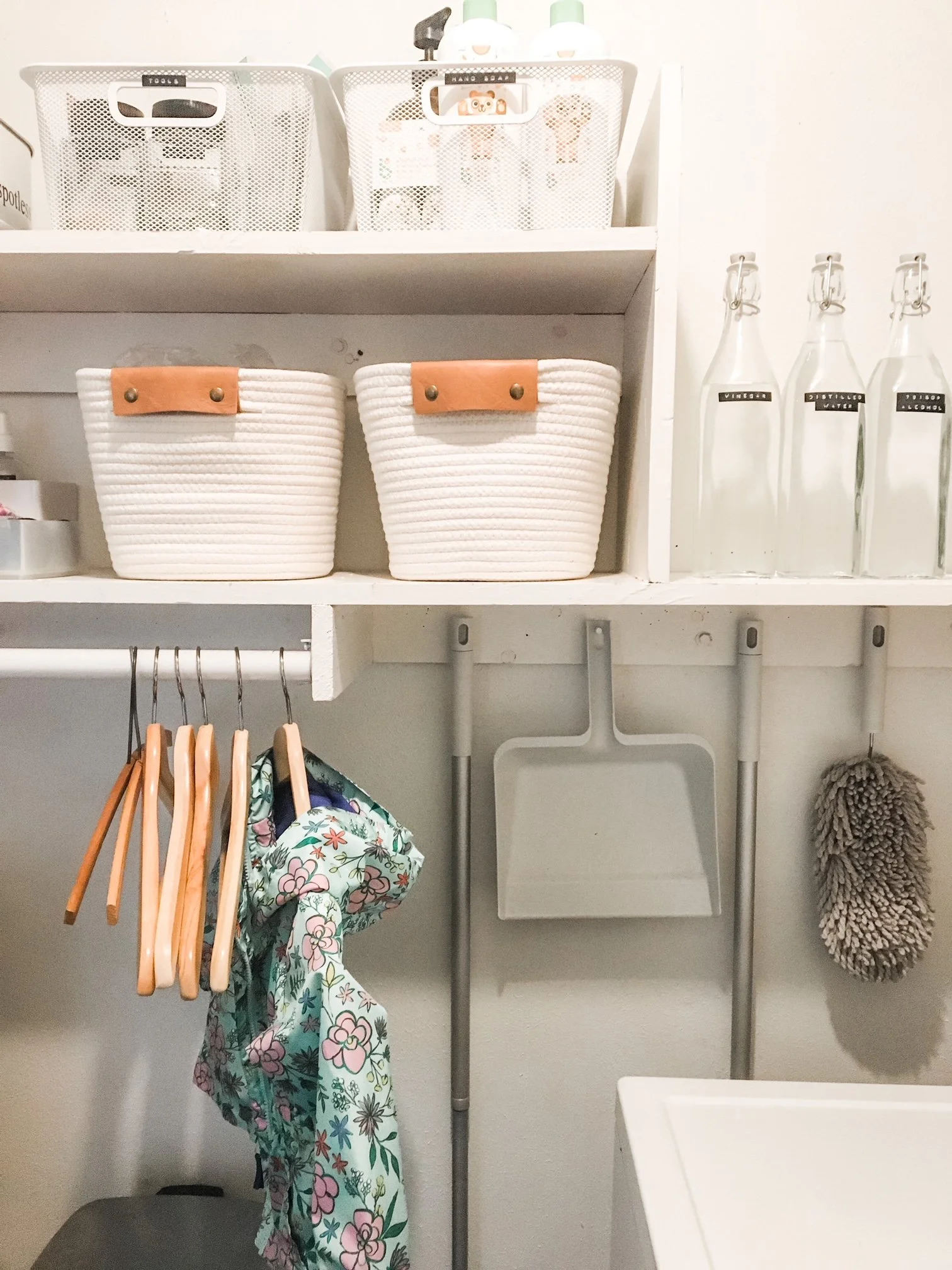
OK my friend, let’s get REAL for a second here. We are being swept up in a whirlwind of people and companies giving advice on how to reduce what you have in your home and how to get organized, and A LOT of that basically points at you needing to buy more “product” to make any of this happen. I don’t completely agree with this, in fact I want to shift gears here a bit and share with you my TOP 3 STRATEGIES to get you going on decluttering + organizing in your home RIGHT NOW, today, as you read this blog post. These strategies will work and will make a difference. I want you to get ready to put them into action on your home ASAP. And no, I am not going to tell you have to go buy any products to get started, I promise!

So let’s go ahead and dive right in.

baskets.jpg

STRATEGY #1: You need to slow down.

No really, SLOW DOWN! You need to slow your roll…and you can approach it two ways.

ONE, in general start slowing down when you are doing any daily task in your home. Notice how you are feeling during them, are you frustrated, do you find yourself looking for things, are things falling on you while you try to perform a basic task like grab something from the pantry, etc. Also, which tasks are smooth as butter? Which ones are so simple and mindless and easy to complete? We need to pay attention to both. Write them down or take mental note of both conditions as you see fit.

TWO, another option is to look at one specific area of your home you know is a big pain-point for you. For example, your laundry room is driving you nuts, it feels disorganized, it doesn’t look good in there, you have issues finding things and keeping things in good stock and you generally dislike being in the space. Write down every layer of what is an issue and what obstacles seem to be present making it a frustrating space to be in and complete basic tasks in.

STRATEGY #2: edit + sort

After you have slowed down and you’ve decided to focus on one “problem area” that you’ve taken a moment to identify things that are causing you grief, let’s now start focusing on change. Before we do this, we need to start with editing + sorting.

Remove items in the space that are:

✔ broken

✔ not used

✔ need to be in another area of your home

✔ have too many duplicates of

✔ you dislike or have a negative associate with

✔ is not essential, useful or valuable to your day to day

With whatever is left + you are keeping, do the following:

✔ group items into “like categories”

✔ group items by type, shape and/or frequency of use

✔ you might need to apply several of these to one category as you see fit, but just get started and see where it goes

✔ example // junk drawer groups: writing utensils, scrap paper/notebooks, tools, office supplies, misc. Lay each item out in their appropriate group on a table for a closer look with strategy #3 next

STRATEGY #3: tap into YOUR RHYTHMS to truly get organized

OK, so you have created piles of things into groups that make some basic sense for you and you’re further along than when you started. EXCELLENT. Let’s get things put back in a way that’s intentional, efficient and looks good.

Let’s talk RHYTHM. How do you use this space? What essential activities are happening here?

You can apply this to something as large a room or as small as a drawer. Rhythms are relevant everywhere because it cues your brain on what to do and how to do it. You want this to be as simplified as possible.

I’m going to use the laundry room example again. Let’s say there’s 3 major things you do in here: you manage all the laundry, you store dog supplies/food here, and it’s a catch all for household supplies/tools/etc. So your RHYTHMS are all centered around these 3 tasks (doing laundry, taking care of the dog, and grabbing a household item/tool).

Now you can start to put things back into the space based on these RHYTHMS you’ve identified that need to occur in the space. Laundry essentials go back together, dog essentials get grouped together, household essentials put back together.

And LAST BUT NOT LEAST (and probably your favorite topic to discuss)…

Let’s talk ORGANIZATION. This is where RHYTHM, FUNCTION + BEAUTY all come together. 

Within each group of items that SUPPORT A RHYTHM (or essential activity) you’ll organize your items with these guidelines:

✔ items you need to see and reach/grab daily or frequently make them easy to access

✔ create simple groupings within these high access or low access groups by shape, size and/or by color + style, and labels are always great to remind you what you have and maintain order

✔ further corral random sizes of things that support a rhythm but don’t really “go together” or maybe don’t look very good together by gathering them in a container, basket, box,tray, etc. Giving them a boundary is essential or it can get chaotic and spread out fast.

✔ aim to shop your home first for these containers - you can always swap them out over time as needed but the edit/grouping/organizing will already be done!

OK, IT’S ACTION TIME!

Go put these strategies to use, test them out, and tell me how it is working for you! My goal is always to transparently + honestly teach you the tools to help you to be immediately active in improving your home environment as soon as possible. It will always be worth the effort, even in small chunks. Set a timer for 15-30 minutes and see what you can do. I think you will surprise yourself.

P.S. If you’re feeling like you want even more help with decluttering + organization / you’d love to take the guess work out of it + clarify where you should start? I’ve got you. Click HERE to learn more. As always, please feel free to email me with any questions you have. EMAIL: fuzzyhippodesign@gmail.com


Thanks for being here.

Read More
DECLUTTER, ORGANIZE Fuzzy Hippo Shop DECLUTTER, ORGANIZE Fuzzy Hippo Shop

30 Day Declutter Challenge

HOW ARE YOU? Wow, what a doozy of a year we’ve had so far. Some of you joined us WAY back in March when we all went into shelter-in-place and started a quarantine lifestyle for the health of ourselves and our community with the onset of COVID-19. During those first 30 days, I invited my Instagram family to join me in a 30 Day Declutter Challenge where we did one *mini* declutter challenge each day for 30 days (we took Sundays off), so it took about a full month-ish.

Hello my dear friend!

HOW ARE YOU? Wow, what a doozy of a year we’ve had so far. Some of you joined us WAY back in March when we all went into shelter-in-place and started a quarantine lifestyle for the health of ourselves and our community with the onset of COVID-19. During those first 30 days, I invited my Instagram family to join me in a 30 Day Declutter Challenge where we did one *mini* declutter challenge each day for 30 days (we took Sundays off), so it took about a full month-ish. I wanted to recap that 30 day experience with you all here, and if you missed any days, or wanted to get started here on your own time, I have it all mapped out below for you.

The nature of these challenges, as I mentioned, is that they are indeed intended to be*mini* declutter challenges, meaning that they should likely only take you between 5-15 minutes each. Consider it a quick declutter session where you stay focus only on the task at hand, and then you move along with your day!

Did you know that I did all of the challenges right along side everyone and showed each day my progress and how I approached each mini challenge?

Yes, I sure did! See all of the details in my Instagram highlights, click HERE.

[ NOTE: you’ll need to scroll through the Instagram highlight bubbles and look for these highlights: 1Mini Declutter | 2Mini Declutter | 3Mini Declutter. There’s three different highlights to capture our full month+ because we went through a lot of awesomeness together! Also, I mislabeled a few days on IG, but if you follow them in order, they correspond with the full list below. I blame the errors on the foggy quarantine brain… you know…]

Let’s dive into the list + then I’ll share some final notes on the experience + TOP TIPS I shared with my IG family during that time.

DAY 1: SOCK DRAWER

DAY 1: SOCK DRAWER

DAY 10: LAUNDRY ESSENTIALS

DAY 10: LAUNDRY ESSENTIALS

30 DAY DECLUTTER *MINI* CHALLENGE

DAY 1: SOCK DRAWER

DAY 2: CLEAR OUT A BAG/BACKPACK/PURSE

DAY 3: REUSABLE BAGS

DAY 4: UNDER KITCHEN SINK

DAY 5: WRITING UTENSILS

DAY 6: BOOKS (choose a shelf or a category if needed)

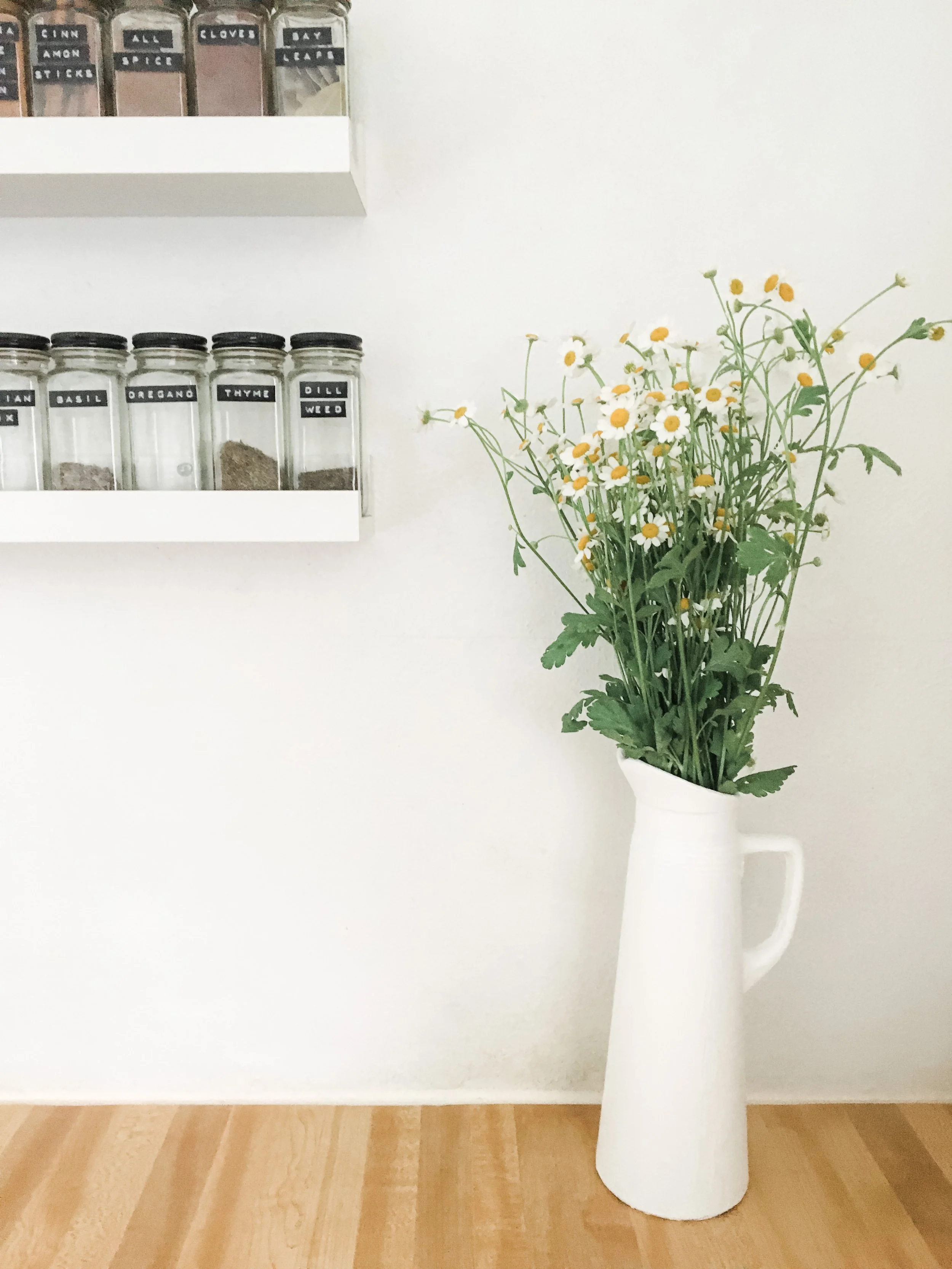
DAY 7: KITCHEN SPICES

DAY 8: JUNK DRAWER

DAY 9: TOP OF THE REFRIDGERATOR

DAY 10: LAUNDRY ESSENTIALS

DAY 11: SHEETS + BEDDING

DAY 12: TOWELS (NON-KITCHEN)

DAY 13: JEWELRY

DAY 14: BATH/SHOWER AREA

DAY 15: DISH/KITCHEN TOWELS

DAY 16: FIRST AID KIT/SUPPLIES

DAY 17: GIFT WRAP + SUPPLIES

DAY 18: BIZARRE PAPERS (MANUALS, REFERENCE PAPERS, WARRANTIES, ETC.)

DAY 19: MUGS

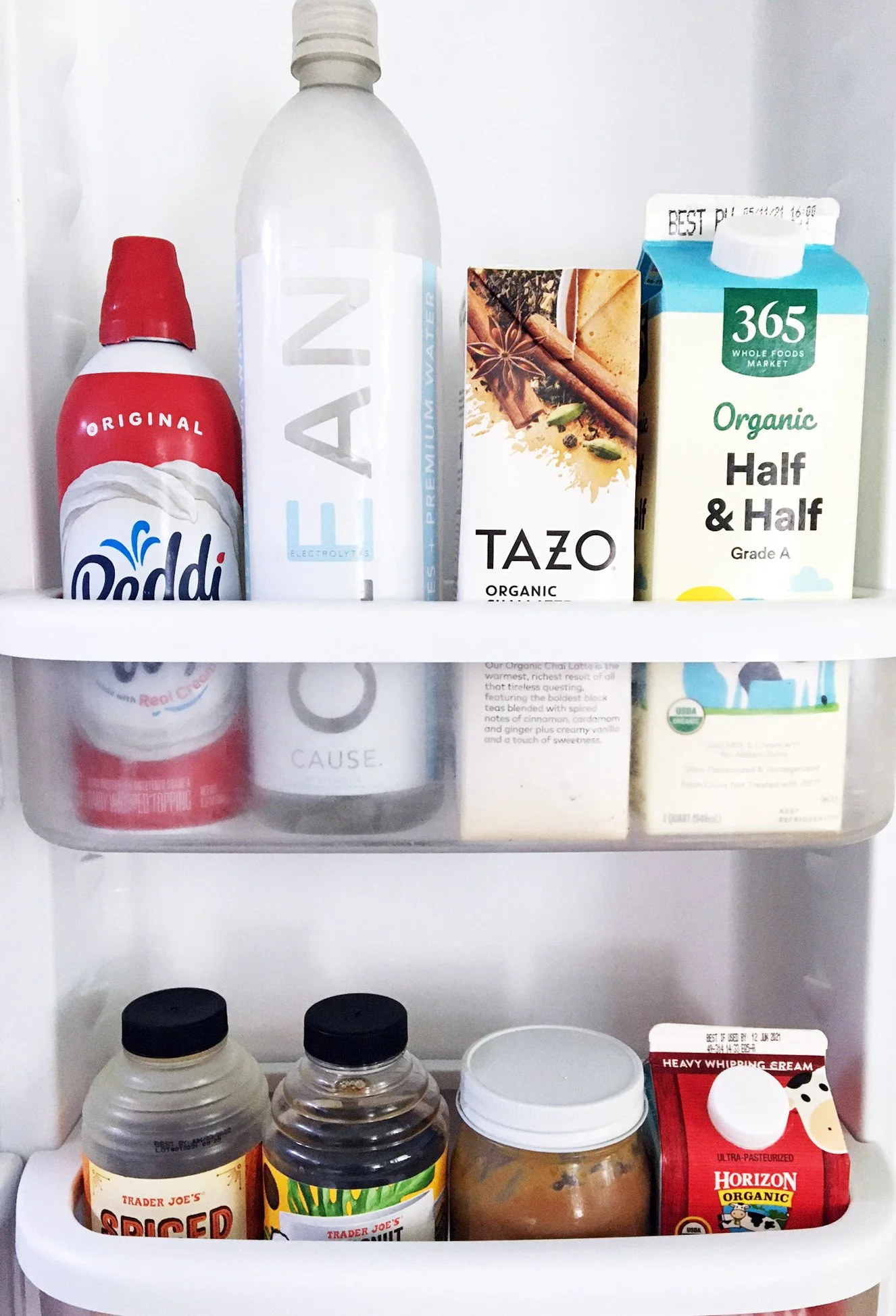
DAY 20: REFRIGERATOR

DAY 21: PICK A PILE

DAY 22: MAKE UP BAG (OR TOILETRIES OF CHOICE)

DAY 23: SMELL + SCENTED ITEMS (CANDLES, OILS, DIFFUSERS, STICKS, ETC.)

DAY 24: HAIR ACCESSORIES

DAY 25: DIGITAL DECLUTTER/PHONE CONTACTS

DAY 26: BAKE WARE

DAY 27: LIGHT BULBS + BATTERIES

DAY 28: KITCHEN UTENSILS

DAY 29: PANTRY + DRY GOODS

DAY 30: HOUSEHOLD TOOLS


SEE ALL OF THE INSTAGRAM HIGHLIGHTS ON OUR 30 DAYS TOGETHER WITH ALL OF MY EXTRA NOTES + PROGRESS IN MY HOME [ HERE ]

NOTE: Highlight names are 1Mini Declutter, 2Mini Declutter + 3Mini Declutter. You’ll have to scroll over in the highlights to find them!

30 DAY DECLUTTER *MINI* CHALLENGE top tips + notes:

For those of you who maybe starting your decluttering journey now, are continuing one, or might want to start in the future, I wanted to share my TOP 5 TIPS to encourage you and get you started in a positive and highly successful way with results that are visible, helpful and inspire you to do more in the areas of your home you feel need the work. Focus on mini tasks, take breaks, drink water and remember to rest often!

1. FOCUS ON KEEPING ONLY THE ESSENTIALS.

Do you use the items frequently and do they add efficiency and value to your daily routines? Keep only what is consistently adding value and streaming your day to day. This is also true particularly on visible surfaces throughout our home. The less we have to look at in each room, the less visual fatigue we experience and more calming a space feels.

2. IS IT WORTH THE SPACE IT TAKES UP?

Do you have items that take up a lot of space but add little value to your life? Reconsider keeping them. The items in your home should be worth every square inch of space they take up.

3. LOOK OUT FOR DUPLICATES.

Stay on the look out for multiples of items doing the same task/job. We all know you have a favorite spatula…so why do you have 5 of them you never use that take up almost the entire drawer? Keep the one (or ones in some cases) that help streamline your life and help improve your daily routines and that you enjoy using.

4. SIMPLIFY, SIMPLIFY, SIMPLIFY.

When decluttering and editing, it is also important to consider HOW you do things in your home. Could you do them in fewer steps? Could it be done simpler? Does it even need to be done at all? Could you reduce the items you own in an area and create space for something you value more? Think about your daily patterns and see where you can streamline and simplify to remove things that take up excessive time or are overly complicated.

5. WHAT DO YOU WANT TO CREATE SPACE FOR?

If you’re more of a tea drinker and you have 10 coffee gadgets, consider creating more space for the tea ritual you love by parting ways with most of your coffee gear. You’d like your bathroom to feel more relaxing and more spa-like; the first place to start is by editing the space and reducing what you see. Create space for relaxation and then consider design updates. Always edit first. Let go of items you truly don’t need to focus on creating more space for what you value right now, today.

[ Check out all the results from my Instagram stories in my highlights HERE ] They can be found under these highlight bubbles: 1Mini Decluter | 2Mini Declutter | 3Mini Declutter

Remember to recycle and donate as much as possible. Call your local charities and donation sites to see if they are doing drop offs and/or pick ups during this pandemic. I’ve recently had success with a contact-less pick up from Salvation Army.

I also have some recycling and donation resources for you HERE.


IMG_7295.JPG


[ Are you wanting to continue your decluttering efforts but want to dig in deeper with more direction and resources? ]

My DECLUTTER YOUR HOME MASTERCLASS is HERE!

It is life-changing + self-paced with amazing resources and guides that actually work to blast you past decluttering roadblocks we all encounter with step by step support to help you declutter any spot in your home with greater ease.

I truly believe it is the only home decluttering support you’ll ever need the rest of your life and I stand behind this. I want you to live lighter and create your best life + home right now where you + your family can thrive


Looking forward to seeing you insider the MC…

Happy decluttering + editing my friends. Your life deserves it. You deserve it. Your home deserves it.


xo

Kristin

Read More