DECLUTTER, MOTHERHOOD, MOM LIFE, SIMPLIFY, KIDS Fuzzy Hippo Shop DECLUTTER, MOTHERHOOD, MOM LIFE, SIMPLIFY, KIDS Fuzzy Hippo Shop

Decluttering With Your Kids: How To Tackle Common Roadblocks

If there was ever a HOT topic to discuss…it would be decluttering ALL the kids stuff - but more importantly, decluttering WITH your kids! I’ve had parents openly tell me it’s just not possible and that everyone ends up fighting and/or crying. So I’m on a mission to show you that there’s another way and that it IS possible to declutter WITH your kids without a tussle!

Before we layout some strategic steps to decluttering with your kids in your home, let’s get out there all the different roadblocks that might prevent you from decluttering in your home with your kids. Do any of these help you feel seen? No judgement, these are challenges popping up in EVERY home!

A few ways you might see roadblocks decluttering w/ kids surface in your home:

✔️you’re feeling like there’s no time to declutter
✔️you don’t think it’s possible because of the age of your kids
✔️you feeling sentimental about your kids growing up so it’s hard to part with things because you don’t want to let go
✔️you’re not sure how much to hold on to for siblings or future children
✔️you’re overwhelmed with where to start ✔️you don’t know how to initiate it with your kids or how to do it
✔️your kids seem to be overly attached to their stuff ✔️your kids would rather be doing something else and don’t want to do it

….and there’s so much more!

Now that we have some clarity about what might be causing physical or mental roadblocks preventing decluttering from happening in your home with your kids, let’s talk about strategies and solutions!


1. MEET YOUR KIDS WHERE THEY’RE AT.

If you want to start decluttering with your kids, you’ll want to think through where to start. For example, a 2 year cannot declutter an entire library of books on their own. Can they go through 5 books at a time with you and select their favorites? Yes, they can! Can your 5 year old declutter their entire wardrobe by themselves in 10 minutes? Likely not. We’ll dive into more specifics about what might be age appropriate for your kids next, but you can also get the full breakdown on how to do this inside my Parents + Kids Guide to Decluttering. Aim for small goals for decluttering that are realistic for your child’s age, focused around things they enjoy.

2. ADJUST YOUR EXPECTATIONS!

And I want you to really lean into this idea…because trust me, everything will go smoother once you do! If this is the first time you have ever decluttered with your kids and you’d peg them as borderline hoarders, don’t expect much. Much like a muscle your training to do something new, progress takes time. If your kid parts with even one item or is considering parting with something, consider it a win!

Some general guides for kids by age group to start decluttering with them:

Ages: 0-2 / Parents will drive the decluttering for their children. By age 2 you can start talking about clothing they have grown out of. Are those shoes too tight? Do you enjoy looking at this book still? Start weaving these simple concepts into conversations to build on for the future.

Ages: 3-5 / Everyone can take a more active roll in decluttering. Work through small groups of books, toys you see them no longer play with or have developmentally outgrown. They can declutter and remove things they don’t want anymore from their small treasures/junk drawer. Clothing they have outgrown is a quick one to identify. Take note of things they love, have grown out of, that needs to be replaced.

Ages: 6-11 / Beyond keeping their favorites or things that still fit, this is a great time to discuss the cycle of things and how to filter/intentionally bring things in the home. If you have less, you have less to manage and less to be responsible for. There’s also less clean up! Categories of items in short bursts are best to hold attention, like pants, chapter books, sports equipment, activity books, etc. Create categories that make sense for kids and your family. Let them help come up with these categories.

Ages: 12+ / As we build on the concepts from prior age groups, this age range starts to grasp the concept of how things shape their environment. How do they want their room to feel? What would make their closet easier to get dressed from? What do they want to showcase? What do they value? By working with them to answer these questions, it becomes easier to declutter when values are clarified and it’s top of mind. We filter and edit out spaces together to create a home we love and that takes care of us.

See more in depth strategies and details by age group in my Parents + Kids Guide to Decluttering.

3. MAKE THINGS FEEL SMALL TO AVOID OVERWHELM.

Think time, energy and focus. When you have time, even a small chunk, put 10 minutes on the timer and do a short decluttering burst in one drawer or one small category like shoes. Only focus on those things and put blinders on to everything else. Make the process as small and simple as possible. Choose small categories and small zones to declutter.

If you’re struggling to find small categories to declutter (because you’re feeling overwhelmed with all the stuff), create a small group to declutter out of a larger group. For example, if you have a huge book library and you want to start decluttering your stash, choose one shelf, one category of books (like nature books or non-fiction), or by color of the spine (today lets go through all the books with a blue spine only). These strategies will help the process feel ‘small’ and less overwhelming.

4. SHOW RESPECT + VALIDATION FOR YOUR KIDS WHILE DECLUTTERING TOGETHER.

When we do this, we teach our kids to trust themselves and their decisions. This skill will get fine-tuned over time and with practice. If you’re questioning a decision they’re making or they’re on the fence about something, offer to place the item in a holding area that you’ll revisit it in a month. Write it down on the calendar as a reminder to circle back. This will keep you both moving and validated. It’s also OK to ask open ended questions like “tell me why you’re ready to part with this” OR “I see you haven’t worn this in a while, is there a reason you’re hanging on to it?” You might find there’s no fight with the items and it’s easy for them to part with. Be open to the process going smoothly, especially with more practice!

Start communication about things that need to be gone through with more open ended questions that help your kids identify when something is a ‘keep’ and when something is a ‘let go of’ item. Here’s some examples of how their responses might sound in your home:

  • I don’t want this shirt anymore because the sleeves feel itchy.

  • I have other board games that are more fun to play than this one.

  • I’ve read these books 5 times already and I’m ready to move on.

  • My toes are shoved up to the top of my shoes when I’m walking.

  • I really like the color purple right now for clothing and not red.

  • I don’t like wearing skirts to school anymore.

Their reasoning for keeping or parting with something will be raw and straight forward. Do not expect them to use adult logic and don’t force it on them either. Keep the dialog on their terms, in their words and be sure to do more listening than talking!

5. INFUSE FUN INTO YOUR DECLUTTERING!

My favorite thing to do with my kids while decluttering is let them be the DJ and pick the music. If both kids are decluttering, they each get to DJ for 5-10 minute blocks. We also bring in baskets, boxes or bags that the kids can use to put their decluttered items into that turns more into a game where they’re shooting things into a basket! Find ways to have fun along the way, and plan a reward in at the end after progress is made - maybe a trip to get an ice cream or a slush, or money in their piggy bank towards their new shoes their saving up for. Decluttering can become part of family chores/responsibilities in a family economy to learn tangible skills about money (one idea).

Don’t underestimate the value of bringing games into the mix when you’re decluttering! One idea I’ve rigorously tested in my own home is a bowl full of declutter topics to pull from for a few quick bursts of decluttering. Make a list of a few categories like: shoes, books, earrings, fiction books, balls, outdoor toys, etc. Anythings goes! Get creative! Ask your kids what topics should go into the bowl to give them more control. Write topics on a small piece of paper, fold them up and drop them in the bowl. Let one of your kids pick one, put 10 minutes on the timer (and turn on some good music) and go! If you have several kids, they can each taking a turn picking a decluttering topic from the bowl. I promise it’s fun! Have a box or bag ready for them to drop donations in. Find a lot more ideas on different ways to declutter in your home in my Parents + Kids Guide To Decluttering.

But whatever you’re doing, keep it light, keep it fun, maybe add some snacks in too for maximum success! You’ve got this! And make sure to check out even more free resources HERE in our Kids/Family Zone!

P.S. If you’d like to learn ALL the ins and outs of how to declutter with your kids (without the overwhelm + fighting), how to do this by age group, what exactly to say to them to get them decluttering, how to know what to keep and what not to, lots of examples on how to facilitate the process and so much more, please check out my Parents + Kids Guide to Decluttering.

Bonus organizing tips inside + money saving tips in this guide too you’re going to LOVE! I created this digital guide specifically for struggling parents/mamas who want to learn these skills and stop struggling with a chaotic home that’s drowning in kids stuff. It is possible + I can’t wait to show you how to do it HERE! It’s time to have your time, energy + sanity back!

WHAT TO DO NEXT:

+ Check out the KIDS STUFF zone for more free resources!

+ A game-changing resource for families: Parents + Kids Guide to Decluttering is a must for any family!!

+ Click the follow button for @fuzzyhipposhop_kids for more KIDS decluttering tips + basics to get you unstuck in your home on instagram!

+ Download my free declutter guide to get you taking quick + easy decluttering action in your own home (linked in profile).

Read More
DECLUTTER, GRIEF, SIMPLIFY Fuzzy Hippo Shop DECLUTTER, GRIEF, SIMPLIFY Fuzzy Hippo Shop

Navigating Sentimental Clutter In Your Home: A Helpful Checklist

Sentimental clutter makes up a HUGE part of all the clutter in most homes, believe it or not. It’s often the hardest to part with because it can be difficult to make decisions around it. The meaning these items hold can come from anywhere. It can also be hard to identify when you have these items. We rarely take the time to slow down and decide if we’re keeping something simply because it’s sentimental or because it adds value to our life. The sentimental nature of items in our home make this part a bit blurry.

To clear up some of the confusion around this topic, here we’re going to offer you a way to understand why it’s challenging to deal with, how to identify sentimental clutter in your home, and a strategic checklist to help you make decisions, so it’s easier to part with.

1. WHY IS SENTIMENTAL CLUTTER SO TRICKY TO DEAL WITH?

It’s tricky because we have feelings and emotions tied to objects, which is far more common than you’d think! It pulls in guilt, expectations of others, and often unrealistic expectations of ourselves. Sometimes we hold onto things because we fear judgement of others or disappointing someone that may not even be around us anymore (a past relationship) or someone who has passed away. Sometimes we think if we let go of something, a part of us will be gone forever or memories of someone won’t live on. The most important part of dealing with sentimental clutter is being transparent with yourself on why you’re holding on to something. Then you can start addressing what needs to help next with it, in a way that is aligned with your values and your goals. Write it down if it helps you to make more sense of the item(s) so you can gain clarity on how to move on to the next step.


2. HOW TO KNOW IF YOU HAVE SENTIMENTAL CLUTTER.

Not all clutter is created equal. Some is everyday clutter (things that are reoccurring like mail, paper bags, school paper, receipts, etc.). Other clutter is occasional, as in things that become clutter when our life shifts, we outgrow things or our basic needs change. Then there’s sentimental clutter. Here’s how to know if you have any lingering around in your home.

✔ It has inherent meaning to you for some reason - memories, an occasion that meant something to you, it might be tied to a person, an experience or maybe it was inherited. You feel something more for this item than just any ordinary object in your home.

✔ If you have a sentimental items that you use, love + enjoy, then it is NOT clutter - just so you know, it’s OK to keep sentimental items around in your home, just as long as they are valuable and useful to you in your daily life. Also make sure that you have space for them and they enhance your life, not take away from it. It needs to check off all these boxes.

✔ You are not using it, you’re not enjoying it or you might be avoiding it - this is the part that makes it ‘clutter’ because you’re holding on to it just because it has some personal tie to it.

✔ You might not like the item, as it’s not your taste or aesthetic or doesn’t fit with your lifestyle - you’re still holding on to it because of memories or experience with it.

✔ You might have a negative association with it, but memories force you to hold on to it - we tend to force ourselves into keeping things, even if the memories are mixed (as in not all good) surrounding the item, simply because it is tied to people or the past.

✔ You feel guilty about parting with the item, which is why you’ve held on to it for so long - guilt is really common with sentimental items, which leaves us feeling stuck about what to do with them.

So now that you’ve identified something that is sentimental clutter in your home, let’s talk about what to do with these items next.


3. HOW TO PREPARE TO PART WITH SENTIMENTAL ITEMS THAT HAVE BECOME CLUTTER.

✔ Connect with family or friends that might want the item - if you have an inherited item or something that you know someone in your close circle might have interest in, start there. Offer up the item and see if there’s any takers. If not, move on to these next options.

✔ Determine if the item can be donated or is still useful to someone else - is the item in good, usable shape? Could a resale shop turn around and sell the item? Could a charity offer it immediate to someone in need and they’re able to immediate use it in their home? If yes, you can donate the item. Make sure it is clean and is good, working condition. Imagine being on the receiving end of it and the quality/care for the item you’d hope for. Aim for that.

✔ Align your donation with your values - one of the best ways to get over the roadblock of donating decluttered items is by donating to a cause or charity that you’re invested in or respect their mission. Here’s some examples to get you started - donate decluttered goods. Always do a local search to see what’s in your area, and do reach out via phone or email to see what their needs are, etc. You can also send an itemized list of things you have and their condition and they’ll let you know what they can take prior to you hauling everything over.

✔ If you’re interested in selling the item, consider these guidelines: let’s say you’ve inherited a baby grand piano from someone and you don’t play piano and never plan to - this piece is now taking up half your living room and you’d rather prioritize more living space in your home than something that will never get used. Solution: consider local music schools, local music instructors, or place a listing out on facebook market place, for example. Do some local research for a gauge on selling prices to get started. Give yourself a timeline on how long you’ll wait for a buyer (I suggest 2-3 months tops for higher value items, one month maximum for lower value items), then have a back up plan for the item if it doesn’t sell. Back Up Plan Example: donate to a local school you know would greatly benefit from for the music your piano will create for many years to come. When you align your donations with doing good in your community, it will be far easier to part with, promise!

✔ If the items cannot be immediately useful to someone else or beyond repair, consider recycling. Our primary goal is to divert items from the landfill if at all possible. Consider a variety of recycling efforts, like appliances or textile recycling. You can offer something up for free on freecycle or a ‘buy nothing’ group in your area on facebook. Someone may have a vision for this item, has a knack for repairing things, could recycle the scraps or has interest in repurposing the item. Here’s some recycling options to consider HERE. Also check locally.

✔ If the item must head to the trash, let’s do it responsibly. Make sure to check out the ‘toss’ list in my link HERE for ways to toss items in an environmentally responsible way, depending on the item. I hope you’ll find this list helpful now and will be a continuous resource for you in the future.


4. FILTER FUTURE SENTIMENTAL CLUTTER WITH THESE TIPS.

✔ If you’re offered something that you simply don’t want, you can say NO. Do not feel pressured to take something or hold on to something if you do not want the item, regardless of who’s giving it to you. This will stop a lot of clutter from coming into your in the first place.

✔ If you end up with sentimental items you don’t need, part with them as soon as possible. Even while holding your personal boundaries if what’s coming into your home, sometimes things find their way in anyway, or you change your mind. Look back at the lists above for more ideas on what to do with the items, but aim to remove them as soon as possible. They items lingering around in your home only drain you and prevent you from creating a home environment full of spaces that take care of you.

✔ Let go of guilt when parting with sentimental items. You NEVER have to keep something if you don’t want to, regardless of the reason. You don’t have to explain yourself to others while making the decision if you don’t want to. Let go of the worry that someone will be disappointed if you don’t keep something (if they do, I would reconsider their role in your life if they truly are that unsupportive of your decisions).

✔ This is a reminder that someone who has passed away is not going to be upset with you for letting something go you don’t need in your home. I can guarantee you that someone who’s passed away that you love (that you’ve inherited something from) wants you to live a joyful, wonderful life where you’re not surrounded by things that you don’t use or love. Period. Let that sink in. Read it over again as many times as you need to.

Now what additional sentimental clutter questions do you have? What items are hanging you up in your home and causing you to feel stuck? I’d love to hear from you in the comments below.

P.S. If you’d like to take a deeper dive into decluttering: here’s a list of resources to help you take action + learn exactly how to declutter in your own home, regardless of the item, without the overwhelm. Small bursts of time + intentional strategy is the key!

+ Download my free declutter guide

+ Decluttering 101 tips + strategies

+ See our clients’ favorite decluttering resources:

All Access Home Bundle (includes 9 of our top declutter/organizing guides!)

Declutter Your Home Masterclass (with a robust section on sentimental clutter + more tools with personal examples to help you navigate them)

Parents + Kids Guide To Decluttering

1 Week Home Reset Kit

Read More
DECLUTTER, SIMPLIFY Fuzzy Hippo Shop DECLUTTER, SIMPLIFY Fuzzy Hippo Shop

Decluttering Your Home: The Good, The Bad + The Unexpected Results.

I’m writing this as a PSA for all of us out there on our home decluttering journey…the seasoned declutterer, to the just starting, ‘it is my first rodeo’ crew. I want you to know what you’re up against when you declutter in your home. What benefits can you expect? What roadblocks are lurking around to jump in your way? I want to take away the mystery, once and for all!

Decluttering, like many things, has so many stigmas around it: it leads to a scarcity mindset, it’s a waste of time, it takes too long, you’ll give away things you shouldn’t, you’ll let be left with a stark white, boring home, etc. Once we unpack the truth about decluttering, you’ll be able to see which of these will easily fall off the bandwagon of stigmas.

So we’re going to lay it all out of the table here so you know EXACTLY what to expect the next time you start decluttering in your home, whether it’s your 1000th time or your 1st. Let’s dig into the clutter!

1. YOU MIGHT FEEL FRUSTRATED AT FIRST.

When you start decluttering, there’s a lot of unknowns. What decisions will I make? Will I make the right ones? Can I get through the stuff I want to? And I’ll just shoot you straight - starting decluttering is the worst part. But once you get going, it gets easier and then the actual motivation comes to keep you going!

2. THERE’S NOT GOING TO BE A ‘RIGHT TIME’ TO START.

A lot of people get caught up in waiting for the ‘right time’ to declutter, only to find that everyday life will bulldoze your time. Decluttering must be intentionally planned into your time, but it doesn’t have to take a lot of time.

And guess what, never will there be a ‘right’ day to start. But here’s the good news, ANY day can be the best day to start. Start small. I’m talking 5 minutes and your everyday bag. See where it goes from there. If you’re worried about having enough time in your day? Declutter a high traffic space in your home. Worried about getting your kids out the door to school with less chaos? Declutter your drop/exit zone. Want to get dressed easier each day? Declutter your clothing closet/drawers.

To recap: declutter to save time - and stop worrying about the right to start because it doesn’t exist!

3. THERE WILL BE THINGS YOU ENJOY ABOUT IT.

Yes, let’s imagine us enjoying the decluttering process…it’s possible! You might discover things you’ve been looking for. You might learn about things you no longer need so you don’t waste money down the line. You’ll clarify what is useful, valuable and life-giving to you and, most importantly, what’s draining you. You might find you love the quick dopamine burst you get having a short 10 minute decluttering sesh to clear out a drawer or your everyday bag; this short burst helps you feel a bit more in control of things during your chaotic day. There’s a lot more to this, but this is just the start of reasons why you might end up enjoying decluttering!

4. YOU MIGHT HAVE SOME REGRETS.

Truthfully, I can count on less than one hand that I either forgot I had decluttered something and went looking for it or I wanted it back. And even when this happened, I quickly moved on from it and it was not an actual issue. I was quickly fine with it being gone. If you find yourself in this situation, ask some more questions about why you are looking for it, see if you can use something else, and then if you absolutely must replace it, make sure it is something you’ll use frequently and have adequate space for. If you considered decluttering it at one point, it’s likely not worth bringing it back in your home, even in a newer or different version.

I believe the biggest regrets of decluttering come from realizing that you should have done it sooner. The weight of your stuff becomes apparent when you start removing things from your home that you don’t use or love. When you start feeling that physical shift in your home environment, you’ll wish you would have let yourself part with these things sooner, despite being unsure about how you’d feel after. Now you know.

5. YOU MAY HAVE TO PUSH PAST SOME GUILT.

The guilt that surfaces while decluttering is real. Some of it surfaces as sunk costs. This is money you spent on the item and feel bad or embarrassed about spending what you did, only to be left with something you don’t use. The bigger embarrassment here is not that you spent good, hard-earned money on something, its doing nothing about it. As a result, you end up surrounding yourself with things that weigh you down, cluttering up your daily routines and life, making them harder than they need to be. This is a strong cocktail for preventing you from living well!

Guilt also comes in the form of time. The longer you wait to declutter that spare bedroom, the closet you’ve been avoiding, your crowded kitchen drawers, the harder it is for your brain to take action. But again, remember the secret sauce to success here is merely starting! Start messy. Start unsure. But just start!

Guilt also comes from self-doubt. This guilt comes from believing you’re not good at decluttering, not a good homemaker, or have lost control over your home. Allowed of thoughts can make you quit all together. And I have to tell you, none of this is true. This is your brain sharing tricky, unhelpful thoughts with you that we CAN redirect to get unstuck. You are good enough and you CAN make some small shifts to change everything! You CAN!

6. YOU’LL FEEL LIGHTER IN MANY WAYS.

The lightness in your home after you’ve decluttered is unmatched. Once you’ve removed things from your physical space that you no longer need, the space that is created and reduced visual fatigue, simply because of looking at less, creates a new level of calm in your brain. Creating spaces in your home that help you rest and recharge is essential for your overall well-being.

You’ll be shocked at the peace you create in your mind by decluttering areas that are not readily visible. You know what’s there. Your brain and your body keeps a log of all the zones in your home that need help, that frustrate you, that you spend countless hours digging through to find things. I don’t believe in ‘out of sight, out of mind’ is a real thing. You mind is keeping a log and it’s causing stress that we then carry daily in our body. When you attack these forgotten spaces, you’ll feel unexpected peace.

This new level of peace comes from knowing you can find something, even if it’s hidden. Knowing that you can open your kitchen cabinet and see everything in order at a glance, that your kids can help themselves to toys and be able to put them away, that you can see the food low in stock in your pantry and reduce waste because you know what you have.

This lightness takes the feelings of frustration and the unknown we discussed at the beginning, and turns them into known, predictable ease throughout your home. It allows you to clarify essentials/values, helping you create visible simplicity by taking control over your spaces, simply by removing what you don’t use, value or love from your home. These things leaving your home are what allows you to create space for the life you want.

WHAT TO DO NEXT:

Are you ready to learn strategic steps to help simplify the process of decluttering in your own home? Learn to declutter anything, anywhere in your home in small bursts, without the overwhelm.

Check out my slew of decluttering resources below to help you take action now. ↓↓↓↓↓

+ Download my free declutter guide to get you taking quick + easy decluttering action in your own home (linked in profile).

+ Click the follow button for @fuzzyhipposhop to follow along for more decluttering tips + basics to get you unstuck in your home on instagram!

+ Check out more free decluttering resources HERE!

+ Check out more decluttering tools + guides HERE!

+ See our clients’ favorite decluttering resources:

All Access Home Bundle (includes 9 of our top declutter/organizing guides!)

Declutter Your Home Masterclass

Parents + Kids Guide To Decluttering

1 Week Home Reset Kit


Thanks for following along as we lighten the load of home + simplify our everyday to live better.

Please drop any comments + questions below. I’d love to here from you! // Kristin

Read More
DECLUTTER, MOTHERHOOD, MOM LIFE, ORGANIZE Fuzzy Hippo Shop DECLUTTER, MOTHERHOOD, MOM LIFE, ORGANIZE Fuzzy Hippo Shop

Decluttering Toys In Your Home: A Blueprint

If you’re like the average parent, at least once a day (or 10) we think about kids toys, regardless of the age of the kids. Are they still playing with that? Why does that have so many pieces? Why do they like that thing? Why don’t they play with this? Where in the world are we going to store this? Why did someone give this to my kid? Why is this left out again? Does any of that sound familiar?

Instead of worrying so much about what and our kids may or may not like/play with a toy, we’re going to learn concrete skills to declutter any toys, at any time, while bringing them along for the ride to learn together.

If decluttering toys in your home has felt impossible, overwhelming or just plain confusing, the goal is to take all that away in this blog post. We’ll give you the foundation on how to get started below, and if you want to take it a step further, you can checkout my Parents + Kids Guide To Decluttering!

1. AVOID OVERWHELM BY PICKING A STRATEGY TO MAKE TOY DECLUTTERING FEEL ‘SMALL’.

Instead of getting overwhelmed thinking of ALL the toys in your home + how to declutter them all at one time, make the process feel smaller/more manageable with one of these approaches:

+ Consider a single category to focus on. Games. Building. STEM toys. Stuffed animals. Small toys. Large toys (just a few examples). There’s a lot of ways to slice + dice this but the end goal is to make the process feel ‘small’ + focus your energy on a single group of things rather than everything at once.

+ Pick one toy zone to focus on. A toy drawer or collection. One closet. One shelf. One basket. One bin. One wall of the toy room. Keep hyper focused on assessing one zone, then move on to the next when you can. Declutter toys only in this zone.

+ Set a timer for 10-15 minutes. Pick an area, room or zone to focus on + let the timer guide your process while you declutter. Once the time is up, if you’d like to keep going, feel free to! If you aren’t able to continue, do another short burst of time later when you can.


2. TIPS TO HELP YOU DECLUTTER TOYS QUICKLY.

Now that you’ve decided on an approach to make the process more doable, here’s a strategic list of things to consider/look out for to start pairing down the toys in your home as you’re decluttering.

START WITH TOYS THAT ARE EASY TO PART WITH:

+ Discard broken, beyond repair toys. I would also include cheap, plastic toys in the category from parties (you know exactly what I’m talking about) that break easily /aren’t being actively played with (TOSS). Recycle parts/pieces/packaging whenever possible. Check locally.

+ Donate duplicate toys in good shape (unless both are actively being used). Example: We were recently given a dice game we already had. We donated one of the games.

+ Donate toys that your child active avoids or opening says they don’t like anymore. You can open a conversation about it with your kids by saying: ‘I’ve noticed a few things you aren’t playing with anymore, what are your thoughts about it? Can we donate it + free up more space for other things?’ If something is still up for debate, move the toy/game/etc. in an easy to access location for a period of time you both agree on (1 month for example), then donate if it hasn’t been played with after that time.

GENERAL TIPS FOR ASSESSING ANY TOY IN YOUR HOME:

+ Is the toy actively being used/enjoy frequently? (KEEP)

+ Has your child developmentally outgrown the toy / engage with it less + less? (DONATE, OR save for a younger sibling if you have the space to do so.)

+ Is there a similar toy that your child plays with a lot more? Example: You have 2 similar magnetic tile building sets, only 1 is used when both are out. (DONATE the lesser used one OR try a toy rotation, keeping only 1 out at a time. If one is avoided, it’s now time to DONATE it.)

+ Is it a 90/10 or open ended toy? This means the child has to do 90% of the work for it to be played with, 10% is the toy itself. This toy can be reinvented, redesigned + reused in endless ways. In general, toys with screens, lights, sounds + talks to your kid are not 90/10 toys. Examples of a 90/10 toys include: building blocks, beads, pom poms, a ball, cups/bowls, a marble run kit. (DONATE or limit the number of toys in your home doing all the work for your kids - it will reduce boredom + boost their creativity. Focus on keeping mostly open ended toys in your home.)

+ Are you limited on space in your home / there’s larger toys that your kids don’t enjoy much anymore? Remember that open space to move, create + breathe in are the best things we can offer our kids to foster more play. (DONATE the big, bulky toys that are rarely used eating up valuable space in your home).

See even more tips + strategies inside my Parents + Kids Guide To Decluttering.


3. AFTER YOU’VE PAIRED DOWN YOUR TOYS, MAKE SURE THEY ALL HAVE AN INTENTIONAL HOME.

Maximize the space you have + make ‘play’ more accessible, foster more creativity with your kids, reduce overstimulation + encourage longer, independent play with these strategies:

+ Limit what you have out for your kids to play with, especially 7 + under. Sensory overestimation is at a peak during these ages, so having less out at a time will engage them in more creative play + foster more independence. Children with sensory sensitivities will require additional boundaries per that child. But to recap, no matter the age, less out is always best.

+ Rotate toys around every few weeks if you have the space to do so. If you don’t have space for this, simply rearranging toys in the space you have, swapping bins or displaying things differently one morning can create a similar effect of things feeling new + interesting! You can also consider a toy swap with a fellow mama every few months to refresh your toy stash! I love this idea!

+ Make toys easy to get to / easy to put away. Any toys that need guidance or supervision should be up high/not easily accessible. Model to your kids where things are + where you put them when you’re done playing with them. Model for them how to take care of what they have in their home.

+ Let messes happen. Pick your moments to reset your play spaces + encourage your kids to take charge of this effort. Join in for a bit with some good music on + then let them take over. Remember, the less you own, the less there is to manage + put away!


Now it’s your turn to go try these tips out to help you start getting unstuck with toys in your home, so you can start taking decluttering action in small bursts!! You’ve got this!!


Want more insights on how to talk with your children, tailored to their age, to get them involved with decluttering toys (+ all their things) in your home? You’ll learn all of these tools + more inside my Parents + Kids Guide to Decluttering!


WHAT TO DO NEXT:

+ Download my free declutter guide to get you taking quick + easy decluttering action in your own home (linked in profile).

+ Click the follow button for @fuzzyhipposhop to follow along for more decluttering tips + basics to get you unstuck in your home on instagram!

+ Check out the KIDS STUFF zone for more free resources!

+ A game-changing resource for families: Parents + Kids Guide to Decluttering is a must for any family!!

Sending you + your family lots of fun + less chaos in 2025!!

Please drop any comments + questions below. I’d love to here from you! // Kristin

Read More
DECLUTTER, GIVING + GIFTING, SEASONAL, SIMPLIFY Fuzzy Hippo Shop DECLUTTER, GIVING + GIFTING, SEASONAL, SIMPLIFY Fuzzy Hippo Shop

What To Do With Gifts + Unwanted Gifts After The Holidays

Your holiday decor might still be sprinkled around still or you’ve happily packed it away…but guess what’s still lingering around in your home? ALL THE GIFTS! While there’s nothing wrong with friends and loved ones showering you with joyful bits and acknowledgement during the holidays, have you ever considered that not all of it has to stay?

Gifts, whether they’re something you asked for, were giving on a whim, you love the gift or it’s not your jam…they ALL have an impact on your home. Now that it’s deep into January, we’re going to quickly assess all the items that have come in the door in the last few months from the holidays, decide what to keep and what needs to go (and how to do this resourcefully/responsibly) to reset your home for the new year!

Your holiday decor might still be sprinkled around or you’ve happily packed it away…but guess what’s still lingering around in your home? ALL THE GIFTS! While there’s nothing wrong with friends and loved ones showering you with joyful bits and acknowledgement during the holidays, have you ever considered that not all of it has to stay?

Gifts, whether they’re something you asked for, were giving on a whim, you love the gift or it’s not your jam…they ALL have an impact on your home.

Now that it’s deep into January, we’re going to quickly assess all the items that have come in the door in the last few months from the holidays, decide what to keep and what needs to go (resourcefully/responsibly) in a quick effort to reset your home for the new year!

2025 2025 Printable Calendar - Fuzzy Hippo Shop

1. ASSESS WHAT’S WALKED INTO YOUR HOME DURING THE HOLIDAYS.

Take a scan of ALL the things new to your home since the holidays. Gifts, decor, treats, etc. This includes things you brought in for yourself + things that others gifted to you.

+ While you’re doing this, take inventory of items you either

1) Do not like 2) Are on the fence about. Pull these items aside to assess further in our next steps. You can do this room by room or simply by doing a quick walking scan throughout your home or wherever these items have landed.

+ Recycle any bulky packaging, boxes, papers that are no longer needed from gifts. Most wrapping papers cannot be recycled unfortunately. Brown kraft paper and 100% paper based gifts wraps can be recycled! Recycle papers, manuals, paper-based receipts you don’t need to instantly lighten your load of ‘stuff’ in your home. These are all the “clutter extras’ that often come along with gifts that can take over your home if you don’t keep tabs on it!


2. ASK MORE QUESTIONS AROUND GIFTS YOU ARE ON THE FENCE ABOUT OR DO NOT LIKE.

Here’s a quick checklist to help you assess gifts you’re unsure about or aren’t sure what to do with them next.

ASK:

+ Do you like the item at all? Would you consider buying this item with your own money (whether it was on sale or not)?

+ Do you already have something similar that you use regularly prefer/love more? If keeping this item, is it a duplicate and will it actually get used regularly?

+ Do you have space for the item? Are you OK with the time it will take to manage/care for the item in your home?

+ Does this item have a negative association with it? Does it trigger a negativity memory, reminders or thought patterns just by looking at it? (DON’T KEEP)

For gifts you do not like, are not your aesthetic, you already have or simply has a negative association with it, these items need to GO.


FOR ITEMS YOU’VE DECIDED NOT TO KEEP:

+ You can seek a return/exchange if you can nail down where the item came from + get something else you’ll enjoy more or need more at this time.

+ Donate or giveaway the items (assuming it’s a good shape + can be useful to someone else). Also consider the option to recycle the item when applicable (check locally).

+ Check locally for charities where someone in need could use your household items immediately (women and children’s shelter for example).

+ Do a swap with a friend. They might have a few things they’d love to swap with you for something you happen to have!

+ Consider re-gifting this item for a future gift to someone else. While this might sound tacky initially, I think this idea is resourceful + helps minimize waste, especially if you know someone who would love an item that you don’t love.

+ For items you plan to re-gift, make sure you have space to hold onto it until you can gift it. If you’re worried about giving it back to someone accidentally, add a little note to the item of who is was from, so when you go to create your next gift, you know who NOT to give it to! Easy!


3. FOR ITEMS YOU PLAN TO KEEP, LET’S FIND THEM A PROPER HOME.

Just because you love the item, doesn’t mean it’s going to easily find a landing spot in your home. Here’s how to find your ‘keep’ items a new permanent landing spot.

+ First, confirm if by keeping this item IF something else in your home needs to leave. Ex. You received a new chopping knife you prefer MORE than your old one because you like the size even more than what you currently have. The old chopping knife can go (donate if still in good shape) + keep the new one. No need to keep both!

+ Consider the 1 in 1 out rule, if this is applicable to you + your home right now. Ex.1: You received a new book + you can let go of another book you’re not going to read or enjoy again. Ex. 2: You’re in the process of rebuilding your sweaters collection + you want to keep what you have plus the new sweater you just received (the rule would not apply here because of your current needs to rebuild part of your wardrobe).

+ Figure out what area of your home this item should live. If you were gifted a new blanket, put it near your favorite cozy reading corner or over a piece of furniture/end of the bed to grab easily. Make it easy to enjoy and use this new gift in your home.

+ For items that don’t need to stay out all the time, tuck it away in a place where you will use it the most. Ex.1: You have brand new gloves. During this colder season, put them near all your outdoor gear in a hanging basket that’s easy to grab on your exit route out the door. Ex.2: You just received a new kitchen utensil - place the item in the drawer ideally right below the counter top where you will use it the most, based on its function.

Put things where you’ll use + enjoy them the most. Keep it simple!


4. SET STRONGER GIFTING BOUNDARIES MOVING FORWARD.

For future holidays, birthdays, etc. remember to communicate needs, preferences + requests with those you’re closest to.

+ Real reality, this still might not work…in which case, please revisit steps 1-3!

+ If you receive something that you already have or have something very similar to, it’s OK to let them know + respectfully try to sort out a return/swap. This just happened to me with sunglasses! I was able to work with customer service over email + return the sunglasses for a new pair that I now love + wear daily!

+ Intentionally declutter before these times of the year so you have more clarity on your needs before going into the holiday season so you can give family/friends some specific, clear direction on preferences.

+ Remember: Clear is kind. Unclear is unkind! Communicate clearly for best results!

+ Know that you can be gracious + grateful for a gift + it still not work for you. You can then do something resourceful with this unwanted gift or send it on it’s way WITHOUT GUILT. Deal?!

After a gift has been given to you, it’s now YOURS + YOU get to decide what YOU want to do with it. Don’t let the fear of guilt force you into keeping something that will simply become clutter in your home. Nothing about this is a gift at all!


WHAT TO DO NEXT:

+ Download my free declutter guide to get you taking quick + easy decluttering action in your own home (linked in profile).

+ Click the follow button for @fuzzyhipposhop to follow along for more decluttering tips + basics to get you unstuck in your home on instagram!

+ Check out more free decluttering resources HERE!

+ Check out more decluttering tools + guides HERE!


Thanks for following along as we lighten the load of home AFTER the holidays + reset our spaces/routines for the new year!

Sending you lots of love + peace in 2025.

Please drop any comments + questions below. I’d love to here from you! // Kristin

Read More
DECLUTTER Fuzzy Hippo Shop DECLUTTER Fuzzy Hippo Shop

5 Simple Ways To Declutter Before the Holidays

Lightening the physical load in your home, before the holidays, is a MUST! This transition to the holidays can feel heavy for many reasons. The physical load (stuff) surrounding you is only adding to an invisible mental load that’s weighing you down + making life day to day more challenging than it needs to be.

In these 5 Simple Ways to Declutter Before the Holidays, I’ll show you how to scan your home quickly, focus on certain hot spots + help you streamline your home in a way that’s simple, without the typical overwhelm you think of when it comes to decluttering. Nope, not here! Let’s get to it so we can all enjoy our holidays!

I want to invite you today to unpack these 7 Decluttering Myths with me so you know how to identify them creeping up + how to blast past them with the right tips + tools. Let’s go get unstuck together!

Lightening the physical load in your home, before the holidays, is a MUST! This transition to the holidays can feel heavy for many reasons. The physical load (stuff) surrounding you is only adding to an invisible mental load that’s weighing you down + making life day to day more challenging than it needs to be.

In these 5 Simple Ways to Declutter Before the Holidays, I’ll show you how to scan your home quickly, focus on certain hot spots + help you streamline your home in a way that’s simple, without the typical overwhelm you think of when it comes to decluttering. Nope, not here! Let’s get to it so we can all enjoy our holidays!

DECLUTTER FOCUS #1: Bulky packaging, grocery bags, paper bags, etc.

✔️Why it works:

〰️ All of these items are in the category of “reoccurring clutter”, which means it happens from living daily life + must be checked in on frequently or it will make daily routines/task WAY harder than they need to be in your home.

✔️How to do it:

〰️ Start by scanning your pantry + cabinets for bulky packing making it hard to see what you actually have to consume (examples: boxes of tea, snack boxes, cereal boxes, sparkling water boxes, etc.) / decant anything you’d like to make it easier to see what you have + keep it fresher longer.

〰️ Next scan for grocery bags + paper bags to recycle. Check locally (I take any plastic bags I end up with to our local Target). Keep a few of those large paper bags to cut + turn inside out for gift wrapping!

〰️ Recycle as much as you can + then consider reusable bags in lieu if plastics moving forward to cut out out this clutter culprit in your home! Yes please!


DECLUTTER FOCUS #2: Expired goods + foods not being eaten from your kitchen / pantry.

✔️Why it works:

〰️ Seasonally we must check in on our food stock, as we might want to eat differently or bake certain recipes because of the time of year we’re in, or we’ve left behind some foods that we’ve forgotten about. This step will help streamline + simplify your meal prep + navigating what you have in your kitchen with more ease by assessing what you have!

✔️How to do it:

〰️ Scan your fridge + freezer for old, expired food items. Clean out + recycle what you can.

〰️ Scan your pantry for old items or items that no one is eating. PRO-TIP: If you’re unsure if something will be eaten, pull it out from your pantry + put it out on the kitchen counter in a basket + see what disappears in the next few days. If no one touches it, giveaway or toss it.

〰️ Don’t forget about your local food bank during this process. Non-expired goods you aren’t eating / are unopened can be taken there. Check locally for specific needs!

〰️ Have a notepad handy + write down anything you need to restock + most importantly, pay attention to items you DON’T need to buy again + save your money!


DECLUTTER FOCUS #3: Scan your horizontal surfaces to declutter.

✔️Why it works:

〰️ Everything that’s out on tables, furniture + counter tops is begging for your attention - simplifying + removing a lot of what’s out will instantly elevate your space + create more visual calm throughout your home, leaving you feeling less drained.

✔️How to do it:


*For each zone you’re going to 1) put away things that belong somewhere else 2) donate items no longer needed or in use 3) tuck things away in a useful/intentional spot that don’t need to be out 4) aim to have out as *little* as possible!

〰️ First do a quick countertop scan through your home, or even in just one spot that’s a common clutter culprit (ahhhemmm I’m looking 👀 at you kitchen counters!!)

〰️ Now let’s do a quick scan on the tops of furniture - think credenzas, tv stands, night stands, etc. / get rid of trash, extra nicknacks you no longer love + simplify the entire surface / wipe off dust if you must 🤪

〰️ Lastly, scan table tops, like the kitchen table or your desk if you missed that spot. Edit like it’s your job. Stay as minimal as possible! Only keep it out if it’s an absolute have to!! Recycle, toss + shred or file papers as needed.

*With less out, you’ll be more encouraged to keep it that way + feel better in your spaces.

*A lot of clutter in these zones can be curbed simply by making small, quick decisions all week to put things away or remove them if they’re no longer needed. You’ve got this!


DECLUTTER FOCUS #4: Scan for outgrown + no longer used items.

✔️Why it works:

〰️ This is another category that should be quick decisions. The jacket is outgrown. The book is no longer read. We don’t play with these toys. The game is broken. This throw pillow is no longer my aesthetic taste. The shoes are too small. If you run across something you’re unsure about, move on. Circle back on it in a month. We are focusing on the obviously items that need to go right now to create more space in your home + breathing room.

✔️How to do it:


〰️ You can scan each room one at a time, or pick + choose where you want to put your efforts. For me right now, I’m looking in clothing closets, toy areas + books, as it pertains to my kids. For me, I’m looking at some clothing items, accessories + home decor items to quickly edit.

〰️ As you scan the area you’re focusing on, have a box or bag ready for the obviously “no” items to drop in. If it belongs to someone else, bring them into the conversation on why it’s leaving. “You’ve outgrown these pants. We can replace them. Do you want something similar or different to these as we look around”? Keep the process transparent + nonjudgmental for best results!

〰️ If the controversial “toys” are being looked at, read on for my advice: Talk with your kids about the items you “never see them use or play with” + then ask some questions. Would they rather part with these + bring in something new to play with? Would you rather have more space to do your favorite hobby? If there’s a few items you’re all unsure about if they’re being played with, move them out for 1 month into a more obviously location (or just a more limited toy rotation to see if that helps engagement). If the items are never played with, donate them! Easy!

DECLUTTER FOCUS #5: Text + email unsubscribing.

✔️Why it works:

〰️In a short amount of time, you can greatly reduce the digital clutter on your phone + in your inbox, bogging down your time + causing visual fatigue every day! As marketing messages ramp up, this is the PERFECT time to check in on this category of clutter.

✔️How to do it:


〰️ Put a timer on for 5-10 minutes + focus on your phone for text message decluttering. Unsubscribe for any text message alerts you no longer want to receive. While you’re there, spend a minute to delete unwanted text message threads so it’s down to your most recent conversations that you actually need/care about!

〰️ Put a timer on for 5-10 minutes + focus on your email inbox exclusively. Since marketing emails are in full force right now, instead of just deleting emails from companies you no longer want to hear from, unsubscribe from it first, then delete it. In just a matter of days, you will notice A LOT LESS traveling into your inbox, plus LESS time spent during your days deleting things you don’t even want!

PRO-TIP: In gmail, you can simply put your arrow cursor over the email you want to unsubscribe to (without even opening the email) + an ‘unsubscribe button’ will appear. So quick!

Well friend, you did it! You’re on your way to a much lighter + joyful holiday season! Wishing you all the good things as we wind the year down. And remember, you deserve peace + simplicity all year round.


WHAT TO DO NEXT:

〰️ Download my free declutter guide to get you taking quick + easy decluttering action in your own home (linked in profile).

〰️ Click the follow button for @fuzzyhipposhop to follow along for more decluttering tips + basics to get you unstuck in your home on instagram!

〰️ Make sure you go watch all the 5 Simple Ways to Declutter Before the Holidays in my instagram feed below (all reels take only about a minute to watch)!

Thanks for following along as we lighten the load of home before the holidays + get unstuck in our own home! I’ve got you!

 
Read More
DECLUTTER Fuzzy Hippo Shop DECLUTTER Fuzzy Hippo Shop

7 Decluttering Myths You Need to Know Now

The 7 Decluttering Myths we’re going to address today are keeping you stuck in your home, right this minute! Decluttering has a lot of stigmas around it that tell our brain that we’re not good enough, we’re wasteful + that we’ve messed up. And that nothing can be done about it! Nope!

I want to invite you today to unpack these 7 Decluttering Myths with me so you know how to identify them creeping up + how to blast past them with the right tips + tools. Let’s go get unstuck together!

The 7 Decluttering Myths we’re going to address today are keeping you stuck in your home, right this minute! Decluttering has a lot of stigmas around it that tell our brain that we’re not good enough, we’re wasteful + that we’ve messed up. And that nothing can be done about it! Nope!

I want to invite you today to unpack these 7 Decluttering Myths with me so you know how to identify them creeping up + how to blast past them with the right tips + tools. Let’s go get unstuck together!

PART 1: “Decluttering is something you do only once.”

Well I’m sorry friend, this is NOT a one + done thing…it’s an ongoing process, but it doesn’t have to be hard! And this is true for ALL of us!!

And now here’s the good news… it becomes easier + you do less of it over time. 🎉 Once you get the basics down, you’re golden!

PRO-TIP: Start with the low hanging fruit - the stuff you don’t need to overthink - expired good, the shoes your child outgrew, the extra/bulky packing, the mail.


PART 2: “ALL clutter is the same.”

There’s actually LOTS of types of clutter, believe it or not! Knowing the difference helps you make quicker, more intentional decisions. Here’s a few to consider:

〰️ sentimental clutter - inherited or items you have an emotional tie to for some reason (can be more challenging to make decisions regarding it)

〰️ reoccurring clutter - expired goods, food, packaging, grocery bags, school papers, mail, etc. (typically easy to part with and remove from your home - on going but can pile up quick!)

〰️ growth clutter - things you’ve physically outgrown, developmentally outgrown or there’s been a shift in taste, aesthetics or home life needs (items that no longer align with you and your family’s lifestyle)

〰️ occasional clutter - unwanted gifts, items you’ve fallen out of love with, items that need to exit because space is more valuable, broken, beyond repair items, etc. (not difficult to part with but are often ignored all over your home + eat up valuable space)

PRO-TIP: It’s important to know that not all clutter is the same because each category requires different amounts of mental energy from us to remove it. This is normal! Knowing this info helps you more intentionally declutter in your home + feel less stifled by items that seem hard to part with.


PART 3: “All clutter is from things YOU brought into your home.”

Nope! Let’s unpack this a bit. Here’s a few ideas to about clutter showing up in your home + how it got there:

〰️ unannounced clutter - can walk into your home from gifts you didn’t ask for, generous offerings from friends or family, trinkets from school or a holiday event, work event, etc.

〰️ associative clutter - are things they come along with things coming in your home by default - like extra packing from things your pantry, grocery bags if you’re not using your own reusable ones, etc.

〰️ transformative clutter - something that once was very useful to you is no longer serving you or your family + is now clutter - this is normal + OK - this is why we have to occasionally check in on things we own.

We still have to deal with this clutter. And it’s a reminder when we do have control over what’s coming in your home, slow down + be intentional.

PRO-TIP: Questions to ask when bringing something into your home:
Do we REALLY need this? Do I WANT to manage this? Do I HAVE space for this? Will it truly ADD value to my life or others? Or is this just another THING in my home…


PART 4: “You’re either born knowing how to declutter or you’re not.”

Nope! I totally disagree. After working with clients for years, I believe wholeheartedly it’s a skill that has to be learned, just like riding a bike or chopping veggies in your kitchen. Here’s some food for thought around why we’re not naturally wired to know how to declutter:

〰️ we are constantly in “consuming” scenarios that cloud our judgement when we go to part with things


〰️ intentionally bringing things into your home is more about setting boundaries than anything else - another skill we all must learn that effects every part of your life


〰️ decluttering is a lifestyle + mindset that combines self awareness, ability to filter + assess what’s useful, valueable + needed in your life + home

PRO-TIP: Practice makes progress. Progress build confidence. Confidence shows you just how capable you are + how easy it can be to live better with less clutter.

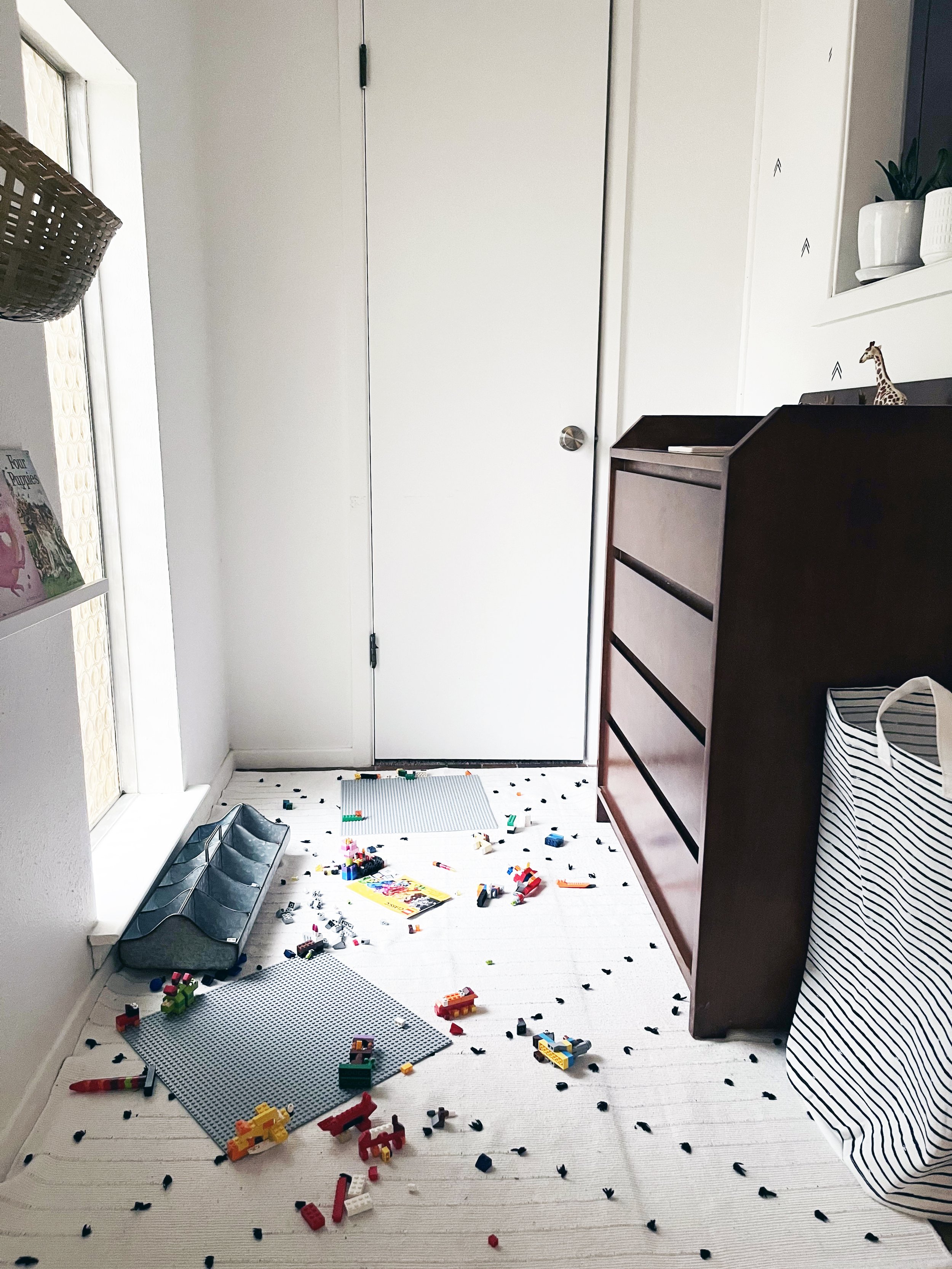
PHOTO NOTE: Most of what you see up above here is mess! It’s actively in use, it has a home + is easily wrangled.

PART 5: “Mess and Clutter are the same thing.”

This is one of most shocking revelations you can make in your home to preserve your time + energy.

Here’s how to know the difference between mess + clutter:

〰️ MESS are things actively in use / think crafts your kids are currently playing with / piles up items in the entryway from weather shifts this week / clothing you wore than needs to be tossed in the to wash basket or hung up to wear again.

〰️ MESS comes + goes.

〰️ MESS can be wrangled + put back in a designated home quickly + easily.

〰️ CLUTTER has no intentional spot in your home.

〰️ CLUTTER is likely not in use + yet is constant - it’s lingering around, it’s making your daily tasks much harder than they need to be.

〰️ CLUTTER needs to leave your home - it’s not helpful day to day, it’s not worth the space it takes up, it does not make daily life better, it does not make daily routines easier. It does not add joy to your home.

Start scanning your home today + see what’s mess + clutter in your home.
What do you notice when you look at your spaces with fresh eyes?

PRO-TIP: Deal with mess when you can. As you identify clutter in your home, create an exit plan for it + have a donation bag/box ready at all times!


PART 6: “Decluttering ALWAYS takes a lot of time.”

The truth is that decluttering can take as much or as little time as you want. You can weave it into any schedule, lifestyle or family dynamic.

Here’s some ideas on how to approach decluttering in smaller bursts of time:

〰️ focus on one small zone - your everyday day bag, one drawer, one shelf, one cabinet.

〰️ put a timer on for 10-20 minutes to help you focus in one area OR do a quick sweep through of your home for items to declutter

〰️ focus only in one room for whatever amount of time you want / I suggests breaks every 45 minutes (leave that space, walk around then come back) if you want to declutter longer on that area

〰️ declutter by one specific category - like books, jackets, shoes, games, kitchen utensils, papers, etc.

PRO TIP: Combine these strategies for even more ideas on how to declutter in short bursts in your home to create your own “super strategies!”

Example: Put the timer on for 15 minutes, focus on one category in one room in your home (like the bathroom focusing on decluttering expired + not used toiletries)


Get creative with these strategies to fit the needs of your home. You will soar, promise!


PART 7: “Decluttering is NOT FUN.”

Decluttering has a stigma around it - it’s miserable, it takes a lot of time, it gets messy + it makes you feel bad about yourself.

I want to invite you to consider some alternative perspectives around decluttering:

〰️give away without guilt - you will not get your money back you’ve already spent - responsibly put items to good use in the community + move forward

〰️use impulse buys or even well thought out buys that flopped as helpful information - ask questions around the purchases to help you make better decisions moving forward - why were they a flop?

〰️we are all human + learning! Be kind to yourself as you continue to refine your daily essentials + be resourceful with your time, energy + money

〰️know what you have + where everything is in your home - don’t ever underestimate the power of knowing that you have enough to take care of your daily needs + where to find everything - this brings on safety + peace

〰️rediscover + find things you maybe haven’t seen in a while - once you know you want to keep it, give it an intentional home, take care of it + move forward!


WHAT TO DO NEXT:

〰️ Download my free declutter guide to get you taking quick + easy decluttering action in your own home (linked in profile).

〰️ Click the follow button for @fuzzyhipposhop to follow along for more decluttering tips + basics to get you unstuck in your home!

〰️ Make sure you go watch all the 7 Decluttering Myths in my instagram feed below (all reels take less than a minute to watch)!

Thanks for following along as we de-myth decluttering for our homes + get unstuck!

 
Read More
DECLUTTER, DONATIONS, SIMPLIFY, TIME SAVERS Fuzzy Hippo Shop DECLUTTER, DONATIONS, SIMPLIFY, TIME SAVERS Fuzzy Hippo Shop

Declutter 100 Items in 30 Minutes Challenge - Part I

A few weeks ago, I was feeling overwhelmed in my home and was noticing random things for days on end that needed to be decluttered. I kept pushing them off saying I would come back to it on the weekend. With soccer, family time and gardening needs ramping back up, I kept forgetting to come back to it. So in the middle of the week, while my kids were at school and I was taking a break from my home and work to do list, I set the timer for 30 minutes to declutter. Today I’m sharing the process and the results.
A few weeks ago, I was feeling overwhelmed in my home and was noticing random things for days on end that needed to be decluttered. I kept pushing them off saying I would come back to it on the weekend. With soccer, family time and gardening needs ramping back up, I kept forgetting to come back to it. So in the middle of the week, while my kids were at school and I was taking a break from my home and work to do list, I set the timer for 30 minutes to declutter. Today I’m sharing the process and the results.

A bit more background on this - I spent my time in only a few zones in my home; this was not a full house effort. Because the timer being on for only 30 minutes, I had to merely scan for items I could easily declutter, without much thought. They had to be quick, easy decisions. The overall goal of this challenge is to get things out of the house I already knew needed to go, and maybe find a few treasures along the way!

Another tip - I did not spend time reorganizing things in the spots I was decluttering during the 30 minutes. I circled back after to tidy things up and reset / reorganize any spots that needed it. Focus on speed decluttering for those 30 minutes only. Reorganize if need later on.

Alright, well do you want to see the results?

TIP: Decluttering your every day bags are a great place to start to make quick, mindless decluttering decisions in a snap!

Reminder: This is not a full house declutter. This is what I call “hit the highlights in a few zones for 30 minutes” decluttering. Or you can focus on just one zone. It’s totally up to you! I had a few spots in mind that I knew needed my attention and that I could make quick decisions in, so those were priority for this quick decluttering session.

My favorite Time Timer to get set up.

Our ThredUp collection box for decluttered items.

A peek in on our declutter box a few minutes in!

A hallway zone before I decluttered some decor.


What items to look for while you’re decluttering:

✔duplicates not in use ✔broken items ✔things no longer in use or outgrown ✔items and extra packaging/paper that can be recycled ✔items that are just trash ✔things in good shape but you’ve fallen out of love with to donate ✔collect items that need to be put away elsewhere in the house or given away/returned to someone ✔remove expired items like toiletries and food items (that’s as mindless of a decision as it gets!) ✔take note of wasted items that you won’t buy again or will buy less of in the future ✔take note of anything you run across that needs to be restocked

Categories to sort your items into as you declutter:

Donate (clean, in good shape, someone else can use the item)

Recycle (can be recycled in your area, check locally)

Textile Recycle (I do this separately with various companies like For Days or Ridwell might be in your area - check locally for other free options close to you)

Sell (for this round, it’s only books we’ll sell to Half Price Books)

Relocate (items removed from one area that you want to keep but need to go in another area of the house or given to someone/returned)

Trash (well, it’s just trash and it is the last resort if it doesn’t fall into any of the above categories)

You can have bags, boxes or baskets dedicated to each category as you go, or just throw everything in one bin (like in your laundry baskets for example) and sort things when you’re done. Use what you have and keep it simple!

Here’s the breakdown below of what I decluttered. After the 30 minutes, I sorted everything into categories then totaled them up.

✔Donate: 25

  • 3 oven mitts

  • 1 unscented candle

  • 2 over the door hooks

  • 1 kids tshirt

  • 3 vase/vessels

  • 1 glass cleaning

  • 1 drawstring bag

  • 1 bag Velcro pieces

  • 1 bag extra headphone ear covers

  • 3 key chains

  • 1 birthday necklace

  • 1 mini sewing case

  • 1 mystery cord

  • 15 hair new accessories

✔Sell: 8

  • 8 books (will take to half price)

✔Recycle: 32

  • 4 tea bag boxes

  • 1 Empty vitamin bottle

  • 12 paper towel/toilet paper rolls

  • 1 plastic yogurt container

  • 2 magazines

  • 1 cardboard box

  • 1 paper item

  • 1 plastic tray

  • 2 spice jars (clean out first)

  • 1 empty spray vitamin bottle

  • 6 random pieces of paper

✔Textile Recycle: 1

  • 1 old kitchen towel

✔Relocate: 12

  • 3 kids bracelets

  • 2 packs of seeds

  • 1 clip

  • 6 large shells

✔Trash: 61

  • 3 receipts

  • 34 tea bags

  • 1 bag sugar sprinkles

  • 1 empty super glue bottle

  • 19 plastic knives

  • 3 pieces random trash

✔Decluttering total: 139

_______________________________________

You can see the full break down of this Declutter Challenge, with short videos, more photos and details in my Challenge Highlight on the gram.

Check out our donation resources and more HERE.

See more Sell, Donate, Recycle + Toss Resources HERE

My donations from this round went to Leukemia of Texas Resale Center.

So what’s next?

Now it’s time for YOU to dive into your own (short burst of time) declutter challenge! Use whatever time you have, 10, 15, 20 minutes or 30 if you’d like, and see what you can do! This is how decluttering in real life actually works, when we can sprinkle it into our everyday, when we can, as time permits. But don’t obsess about the number of items leaving your home, just aim to remove things you know you no longer need, in as little time as possible (with as little mental effort as possible)!

I know I’ll be back with another round of this soon because my garage has been calling my name…see you then!

If you’d like MORE HELP decluttering + lightening the physical + mental load in your home, here’s a few great places to start.

Free Declutter Guide

Learn the basics of Decluttering

Parents + Kids Guide To Decluttering

No B.S. Guide To Decluttering

Declutter Your Home Masterclass

Work with Kristin

Read More
DECLUTTER, SIMPLIFY Fuzzy Hippo Shop DECLUTTER, SIMPLIFY Fuzzy Hippo Shop

Why Clutter + Mess Are Different (And Why You Need To Care About It)

After countless conversations with clients, family and friends, it has become abundantly clear that there’s lots of confusion around the difference between clutter and mess in the home. Any why should you even care about their differences? So today we’re going to clarify the differences between clutter and mess, so you can get

After countless conversations with clients, family and friends, it has become abundantly clear that there’s lots of confusion around the difference between clutter and mess in the home. And why should you even care about their differences? Because they effect your home and life in drastically different ways. How many times have you heard from someone (or you’ve said it) “my home is an absolutely mess!!” Probably ALL of us! But is it just mess or is it possibly clutter?

The reason why we need to care about the difference between clutter and mess is that you need to deal with them differently. I have different strategies to help you improve your home environment and live better in your home when you tackle them each intentionally.

So today we’re going to clarify the differences between clutter and mess, so you can get both under control, prevent them from surfacing and simplify managing your home for good.


So what does MESS look like in your home?


Most mess is created by things that will likely stay in the home (with few exceptions like leftover paper scraps from a craft that can be recycled).

They’re things actively in use it just might be temporarily out of place.

They’re things involved in your everyday that you want to keep like clothing you’re wearing often (that need to be hung up/put away), toys the kids are playing with (that need to be put back in their baskets), books that are still being read (that need to be placed back on the shelf), kitchenware and tools that help make your meal prep/cooking go smoothly (that need to get tuck back in the cabinet).

They’re items that likely need to be relocated, cleaned or put back in it’s home. But they’re all items that are essentials for your home and are actively being loved and used. They just might need a little reset or tidying!


What does CLUTTER look like in your home?


NOTE: There’s reoccurring clutter and occasional clutter. Let’s break it down next so you know how to spot them both and easily deal with them.

Reoccurring clutter comes into your home or surfaces frequently simply because of daily life. It can easily pile up if ignored (like mail, trash in your everyday bag, school papers/art/information, expired foods, expired toiletries, etc.)

Occasional clutter surfaces as a response to changes/shifts in your life. Clothing being outgrown, aesthetic tastes changing, developmental needs changing or by needs that surface because of shifts in daily life (outgrown clothing, toys that are no longer being played with, books that are no longer being read, decor that you’ve fallen out of love with, clothing you are avoiding in your closet, items you no longer need after a move to a new home in a new city).

They’re in the mix with your everyday essentials and are making your daily tasks harder than they need to be.

They’re items that need to leave the home, like a stack of mail that needs to be gone through taking up valuable countertop space in your kitchen.

Clutter wastes your time and causes you to dig through through it to get to the stuff you actually want to use/consume.

Clutter wastes your energy by forcing you to devote effort and bandwidth to manage things that don’t support your everyday, basic needs. Clutter makes life harder than it needs to be.

Now are you ready for solutions on how to deal with CLUTTER + MESS? Oh good!


How to deal with MESS in your home.


Opt in for a daily reset, even if it’s just for a few minutes. Mess (items that will stay in your home but need to be tidied) can benefit from a daily check in, whatever time of day works for you.

Utilize a large “relocate basket” throughout the day/week for items that need to be put away. The home can have one of these, one for each person in home, or a few for high traffic areas in the home. Choose what works best for you and your family. Walk your home with a large bag or basket and put everything in it that needs to go back to another room. Next, where you’re able to, put things back, room by room, until the container is empty. Done!

Clean up as you go, when you can. This will save you from a mountain of things to put away at the end of the day. Focus on common use items like dirty dishes, worn clothing, most used table tops, counter tops and toy clean up.

Time block reset times for the home during the week or for certain zones of the house that tend to attract more mess (like the kitchen, living room or play zones). Set a timer for a short time to do a room or general home reset. Reward yourself when you’re done!

Recruit help and encourage everyone in the home to take care of the needs of the home. Show each person what they can to do contribute. Everyone who lives in the home should chip into this effort in an age appropriate way.


How to deal with CLUTTER in your home.


Check in weekly on reoccurring clutter creators, like mail, school work/papers, and food. Tailor this to the needs in your home.

Make quick decisions about clutter. Focus on removing items first that don’t require thought, like expired products/food, mail, school papers, invitations, magazines, trash, recyclable goods, clothing that doesn’t fit anyone in the home anymore.

✔ Don’t over-complicate eliminating clutter from your home. Focus on the facts about item and why it needs to leave your home (ex. the food is expired, it must be thrown out because it’s not safe to consume) to help you make quick decisions.

Observe common clutter zones/category in your home. Think kids clothing, toys, mail, consumables (toiletries, food, consumables, etc.). These hot spots in your home should be top of mind for items that need to be removed frequently from your home. Check in on them as often as your able to, minimally once a month.

Create a designated spot for these decluttered items that will move on to donations, like clothing, books, toys and decor. Recycle as much as possible (check locally for what’s excepted). Drop off donation items once a month, or as soon as possible!

When decluttering items that you feel more connected to, make sure they are actively in use, bring joy/value to the home and make life easier. At least 2 of these attributes should be at play, but ideally all 3 are at play. Anything that has a negative association with it, that mentally drains to you or brings up painful memories, should be removed from the home immediately.

Prevent clutter from coming in your home through intentional consumption. Delay purchases and do research first to make more sound buying decisions, avoid duplicates, use what you already own, borrow from family/friends, and utilize free resources in your community (like buy nothing groups, libraries, etc.).


Now let’s recap what we’ve learned about MESS + CLUTTER.

Mess is temporary and easy to reset/clean up.

Clutter should not stay in your home and is not an active part of your daily life and is not bringing value to your everyday.

Resetting the home and frequent check-ins on reoccurring clutter (like mail) and occasional clutter (like outgrown clothing/toys) will keep your home functioning smoothly and efficiently! And oh by the way, you’ll save an incredible amount of time, energy, and money, allowing you to create a more peaceful home. Yes, please!

So next time you see a pile of chaos in your home, make sure you ask yourself “is this mess or is it clutter”? This is simple question will help you can take quick action to deal with it. You’ve got this my friend!


If you’d like MORE HELP decluttering + lightening the physical + mental load in your home, here’s a few great places to start.

Free Declutter Guide

Learn the basics of Decluttering

Parents + Kids Guide To Decluttering

No B.S. Guide To Decluttering

Declutter Your Home Masterclass

Work with Kristin

Read More
DECLUTTER, SIMPLIFY, TIME SAVERS Fuzzy Hippo Shop DECLUTTER, SIMPLIFY, TIME SAVERS Fuzzy Hippo Shop

Benefits of Decluttering (Part III): Results to Expect in the Coming Months + Years in Your Home

So what happens in the coming months and years after you’ve decluttered? And what benefits can you expect? We’ll dive into all of this today!

If you missed the previous blog posts on this topic, you can find them here and then come on back to us! Benefits of Decluttering (Part I - Immediate Results) / Benefits of Decluttering (Part II - Results the Days + Weeks After)

We’re deep into a 3 part blog series where we discuss all the benefits of decluttering at various stages after you declutter. The value in taking the time to break this down is to help you know what’s ahead and encourage you anytime you start decluttering. So let’s begin with Part III, the benefits you can expect in the months and years after you’ve decluttered in your home.

1. You’ll save $ + reduce waste.

Decluttering has so many benefits that are ongoing LONG after you’ve decluttered that you need to be aware of.

You’ll save money by not overbuying + reducing impulse buying.

✓ The decluttering process helps you take inventory of what exactly is in your home, what you need + what you already have enough of.

✓ You’ll notice BIG $ savings in your kitchen (intentionally buying groceries), bathrooms (toiletries you actually use + can store), closets (only clothing, shoes, accessories you need/love), + with your kids (clothing, toys, books that are age appropriate/fit).

Awareness of what you already own helps you reduce waste by not bringing things into your home that you don’t need/less to manage.

✓ You’ll gain more clarity on what should be allowed into your home + what will just end up being another thing to manage/take away your time.

2. You’ll reduce stress + have more peace in your home.

This is one of the hardest things to help someone (or a client) understand until they’re living it. You often hear “don’t sweat the small stuff (the details)”…and an unpopular opinion here, you need to. Your entire day is made up of the small stuff/details, and if those details are draining, taking too many steps and miserable, well…that sounds down right awful! The small stuff matters. The details of our life matter.

Stress in the home is a byproduct of managing too much and inefficiencies in daily routines sprinkled all over the home.

Reducing clutter in your home brings a lightness into your home by way of less objects to look at and maintain.

Physical and mental energy is freed up, bringing more peace into your home. This lightness and peaces allows daily routines and habits to be less stressful. Couple this with greater organization throughout your home and WOW, life gets really good!

3. You’ll be able to rest better + recharge in your home.

Decluttering your home completely changes your home environment. It creates spaces that support the individuals in the home, not spaces that fight against you and drain you. Long after you declutter, you’ll see the benefits in how you can more deeply and effectively recharge in your home.

Decluttering the home is a key stepping stone to creating spaces that become your refuge from the chaos of the outside world.

The result of more peace in your home (as we just discussed) allows you to rest more in your home + feel recharged by simply being in your home environment.

✓ As months and years go by, we either create spaces that drain us or allow us to thrive (we must choose wisely).

Real talk: We cannot get away from the daily responsibilities of life and unpredictable stressors that pop up, but we can make them easier to deal with by way of less clutter, less in your home to manage and by surrounding yourself only with items you use, love and bring value to your life/home.

4. You won’t have to declutter as much.

Now I have your attention I’m sure!!

There’s ebbs and flows with decluttering. At the beginning, when you first start the process, there’s likely going to be a lot more time, effort and energy exerted to hit the ground running. Many want to quit here before it gets good…please don’t! Later on, as you hone your decluttering skills and build confidence in your decision making, it becomes a way of life and much less time is spent on it.

Decluttering is a way of life.

It’s not about spending countless hours removing things from your home. It’s about donating the shoes your child has grown out of. It’s about doing a seasonal pass through of your outerwear and donating it to a local church or shelter. It’s about removing expired items and taking note of the ones you will no longer buy.

Decluttering is about focusing on the essentials (the things you need to thrive in your home everyday) and making every item in your home earn its place in your home.

Decluttering is most effective in short bursts, in the months and years down the road, to check in on/maintain what you’ve already started.

You become a more intentional consumer and therefore less clutter walks in your door to begin with! Woo hoo!!!

Beyond the energy and sanity you’ll save, the money you’ll save over the coming months and years after decluttering will blow your mind. My clients frequently share with me how they easily they recover the costs of decluttering support/guides and even make money after decluttering from selling items/not overbuying things for their home.

These simple acts of decluttering in your home have massive, long term effects you can feel GOOD about! Keep going, you can do it! All your effort is worth it, promise.

If you’d like MORE HELP decluttering + lightening the physical + mental load in your home, here’s a few great places to start.

No B.S. Guide To Decluttering Parents + Kids Guide To Decluttering

Free Declutter Guide Learn the basics of Decluttering Organizing Basics

Declutter Your Home Masterclass Shop all Declutter + Organize Guides/Products

Work with Kristin

Read More
DECLUTTER, SIMPLIFY, TIME SAVERS Fuzzy Hippo Shop DECLUTTER, SIMPLIFY, TIME SAVERS Fuzzy Hippo Shop

Benefits of Decluttering (Part II): Results to Expect in the Coming Days + Weeks in your Home

So what happens in the coming days and weeks after you’ve decluttered? And what benefits can you expect? We’ll dive into all of this today!
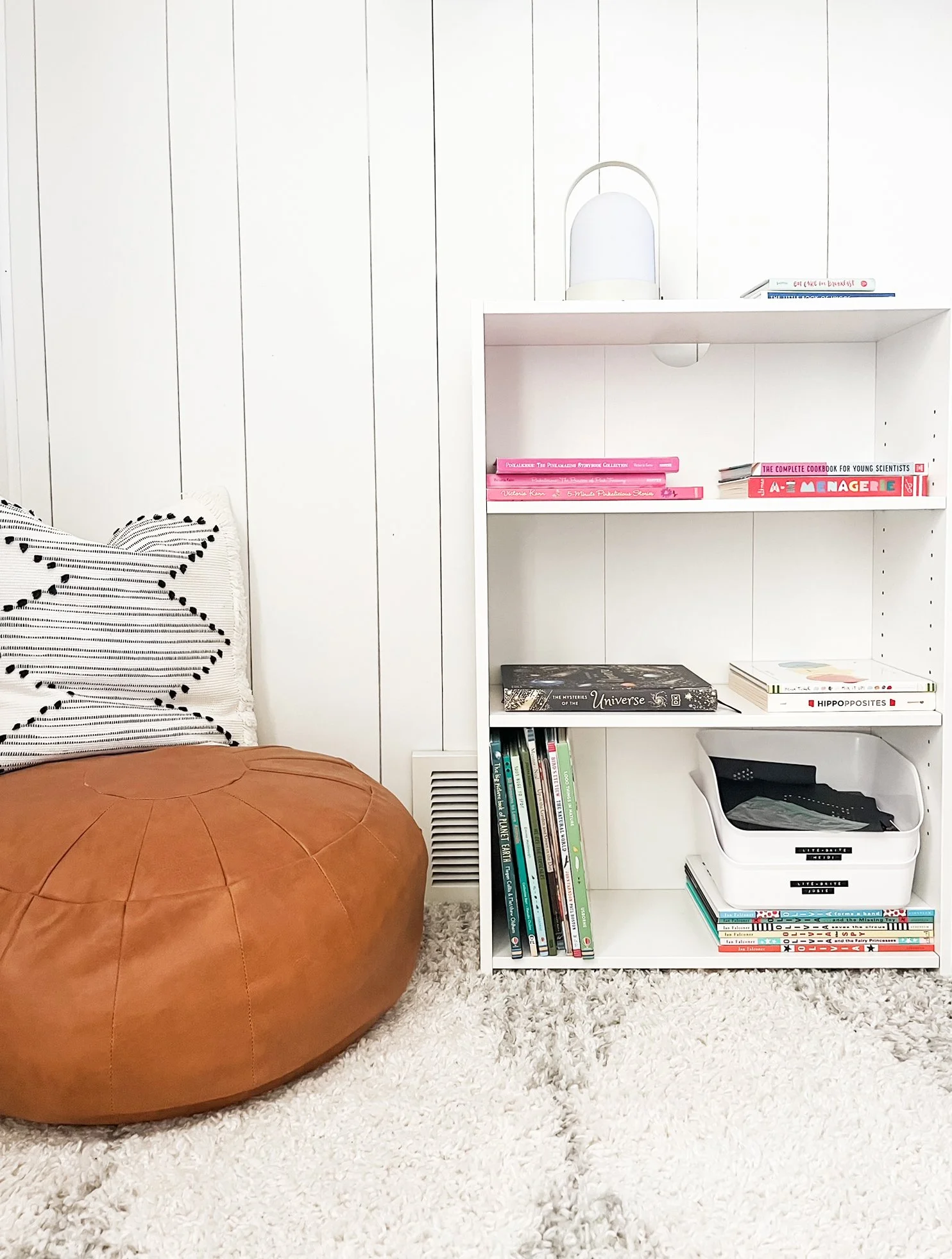
So what happens in the coming days and weeks after you’ve decluttered? And what benefits can you expect? We’ll dive into all of this today!
If you missed PART I of the benefits of decluttering blog series, you can find it HERE, then come back to us!

We’re deep into a 3 part blog series where we discuss all the benefits of decluttering at various stages after you declutter. The value in taking the time to break this down is to help you know what’s ahead and encourage you anytime you start decluttering. So let’s begin with Part II, the benefits you can expect in the coming days and weeks after you’ve decluttered in your home.

1. You’ll save time + energy.

While you’ll notice this immediately, this becomes more obvious a week or so after you’ve decluttered in a space. Let me give you some examples of how this can play out.

In the Kitchen:

  • Your food prep takes a fraction of the time because you’re not fumbling through drawers digging for the right chopping knife or tools to get it done.

In the Bathroom:

  • You’ve removed all the products/toiletries you don’t use or have expired + have only kept the ones you use regularly in an easy to find, easy to reach spot so your morning routine goes so much smoother.

In the Closet:

  • You’ve paired down your hanging clothes/drawers to clothing you wear regularly, enjoy wearing + fit well. Getting dressed is no longer a chore + you can easily see and access what you’ve decided to keep.

Small bits of time saving equal large amounts of time gained over time, resulting in less energy spent on daily tasks because they’re easier to complete. Yes, please!

2. You’ll crave more efficiency throughout your home + know how to make it happen.

Buckle up because things are about to get REALLY GOOD! Once you declutter in one area of your home and experience how life feels in a newly streamlined spot in your home, it’s contagious!

You’ll begin to notice other “inefficiencies” throughout your home and that’s OK! An overstuffed drawer, a cluttered counter, a bag with a bunch of random in it so you can’t find anything, spots throughout your home that collect clutter piles, spots where kids struggle to put things away…it will feel like there’s spot light over these spots because you now know how to detect them and how to resolve them! Woohoo!

DO NOT BE AFRAID OF FINDING MORE CLUTTER TO DEAL WITH IN YOUR HOME (I’m not yelling, I’m just really passionate)!!

✓Take things one zone (start small) at a time, as you are able to. ✓Declutter that spot to support what you typically do in that spot/things you’d like to do there in the future. ✓Declutter around those goals + then start living with it!

You will have higher standards for the quality of your home environment now + that’s OK!! Welcome to living your best life!

3. You’ll become more intentional about your days + your life.

While we tend to focus on the “physical stuff” creating clutter in your home, when you declutter throughout your home, you realize the impact ‘things’ can have on you time/schedule.

Our days become filled up with inefficient tasks + managing stuff that we don’t even need or want. So many things become so much harder, take too many steps + take up way more time than they need to simply because of having too much stuff/things in the wrong spots in your home.

✓ You’ll start to become more intentional and protective about how you use your time.

✓ You’'ll clarify what’s most important to you + how that translate to how to spend your hours each day.

✓ Dare I say you might even start “decluttering your schedule” + removing things from it that no longer add value to your life.

Just as we do this with physical objects through decluttering, you’ll learn there’s a directly connection to your time as well.

Your time is so precious + invaluable, protect it fiercely my friend!

REMINDER: Sometimes decluttering in a spot might simply mean rearranging or moving items in a way where they’re easier to see + use. It’s not always about getting rid of stuff!

COMING UP NEXT in Part III of the Benefits of Decluttering…

The results you can expect in the coming months + years after decluttering in your home! See you in the next post!

If you’d like MORE HELP decluttering + lightening the physical + mental load in your home, here’s a few great places to start.

No B.S. Guide To Decluttering Parents + Kids Guide To Decluttering

Free Declutter Guide Learn the basics of Decluttering Organizing Basics

Declutter Your Home Masterclass Shop all Declutter + Organize Guides/Products

Work with Kristin

Read More
DECLUTTER, SIMPLIFY Fuzzy Hippo Shop DECLUTTER, SIMPLIFY Fuzzy Hippo Shop

Benefits of Decluttering (Part I): Results to Expect Immediately in Your Home

So what happens in your home immediately after you declutter in it? What results can you expect? We’ll dive into all of this today!

We’re moving into a 3 part blog series where we discuss all the benefits of decluttering at various stages after you declutter. The value in taking the time to break this down is to help you know what’s ahead and encourage you anytime you start decluttering. So let’s begin with Part I, the immediate benefits and results you can expect when you declutter in your home.

1. Your home will look different.

I’m guessing you knew this part. But let’s unpack it a bit further. When you declutter, your home will look different by way of removing items you no longer need or relocating items that would be best suited for other areas of your home. You’ll see spaces differently as you start to peel back the layers of “non-essentials” that have taken over your home and remove them from your space. This will reduce “visual clutter” that can stack up throughout your home.

Focus on removing items collecting on horizontal surfaces (like counter tops and tops of furniture) that can be donate, recycled, toss or simply tucked away (if it needs to be kept but doesn’t have to be out). Focus on removing items that might be tucked away (and out of sight) that make finding your everyday “essentials” more difficult. Essentials in your home make daily life easier. Decluttering aims to create more ease and more peace throughout your home, putting those essentials into focus.

You’ll also start seeing all your favorite items around your home with fresh eyes. Your favorites (most valued and love items) will take center stage because they’re no longer covered up by items that have no meaning or value to you. Your favorite collections, furniture, artwork, books, photos, etc. will take prominence in your home and add to your daily joy and happiness in your home!

2. Your home will feel different.

The reason why your home will feel different as you move through it (after decluttering in any space) is because there’s physically less stuff weighing down your environment. Each and every item in your home grabs for your attention, so you must be incredibly intentional about what you allow into your home, knowing that it will ultimately pull from your energy/daily bandwidth.

In my own home, and often reported from my clients, is a feeling of ease and lightness that happens in their home as they move through their decluttered spaces. There’s two parts to this: 1) The removal of and lessening of physical objects you have to maintain/clean/care for creates physical lightness and 2) reducing the mental load of things in your space creates mental lightness. The mental load is the weigh of objects grabbing for your attention without you even knowing it, creating visual clutter for your brain to continually process and spend energy on. You feel the relief of this “intangible weight” lifted once items you no longer need are removed from a space and your brain no longer has to make decisions about them. It’s a gift. Get ready for greater focus, clarity of thoughts and calm.

3. You’ll gain confidence with your decision making.

This is often one of the most invaluable and overlooked benefits you’ll gain immediately after decluttering - confidence in your decision making.

Decluttering, as I love to describe to my clients, is much like a muscle. The more you practice, the more you strengthen and fine tune this muscle. If you’ve found yourself struggling to make decisions in other parts of your life, you’ll find decluttering a drawer and making quick, simple decisions a boost for your overall decision making skills.

Decluttering helps you value your current seasons of life, trust yourself/your thoughts, clarify your needs and build confidence in your ability to intentionally act on them. One of the greatest noted stressors in life comes from delayed decision making or procrastination , which often comes from overwhelm. To curb this, start small…I mean really small. One corner of a counter, one small drawer, an everyday bag…then go from there!

COMING UP NEXT in Part II of the Benefits of Decluttering…

The results you can expect in the coming days + weeks after decluttering in your home! See you in the next post!

If you’d like MORE HELP decluttering + lightening the physical + mental load in your home, here’s a few great places to start.

No B.S. Guide To Decluttering Parents + Kids Guide To Decluttering

Free Declutter Guide Learn the basics of Decluttering Organizing Basics

Shop all Declutter + Organize Guides/Products

Read More

3 Reasons Why You Need To Declutter During the Holidays

Yes, I said the D word (declutter)! It’s probably the last things you want to be doing right now, as you prepare for the holidays coming full speed ahead for you. By the end of this blog post, I want you to feel fully confident that short bursts of decluttering are absolutely critical to helping you navigate this holiday season, free up your time, save you money and allow you to enjoy the season even more than before.

So let’s dive into the 3 Reasons Why You Need To Declutter During the Holidays.

1. Things have changed this year + so has your home.

Let’s be honest, in the last year while some things have stayed the same, but a lot has changed. I want you to lean into this as you pull out your holiday decor. I’ve found over the years that holiday decor tends to overwhelm and overstimulate both myself and my kids, so I’ve become very picky about what comes out for the holidays. As you pull out each item to decorate for the holidays, decide which items deserve to stay and which ones should move on to another home. Broken, beyond repair items need to head to recycling or trash depending on the material.

Also consider if your aesthetic taste has changed. This is normal by the way! Focus on quality, timeless pieces that feel valuable and special to you and your family. Selecting less of a higher quality that will last a long time will save you money long term. If you decide to replace or bring in anything new, make sure something else is headed out to donations. Aim for less. Be honest about how much space you have to store decorations and you’ll reduce what you’ll have to store and manage the rest of the year while it’s are not in use.

2. Decluttering right now will save you money.

Hear me out. If you haven’t heard me shout this from the rooftops enough yet, the purpose of decluttering is to make your life easier, and a large part of this is knowing exactly what you have in your home so you don’t overbuy or impulse buy things that you don’t need. Now I have your attention!

Here’s a few examples of how this can play out for you right now:

  • Decluttering with your kids and what all they own right now (and fits) will help everyone clarify what they have and what they need during this season - perfect information to gather right before a gift giving/receiving season!

  • Decluttering in your kitchen will help you remove items you don’t need to prepare large family meals and streamline your efforts in your kitchen. Your kitchen will function more easily, leaving you less likely to waste food since you can see and access everything you have, saving you money weekly!

  • Decluttering your clothing alerts you to items in your closet you love, want to wear and helps you become more creative/resourceful with what you already have. It’s exciting to rediscover old gems in your closet you have forgotten about and move them into a location that reminds you to wear them and gets you excited to enjoy them during this cooler season. Having clarity on what’s in your wardrobe will help you not impulse buy, even when those enticing good deals strike because you’ll know exactly what to avoid and what to look for (if there’s any wardrobe holes you’re wanting to fill).

3. Save time and energy.

Here’s the basics on this one…the less you have in your home, the less you have to manage. Fact. The holidays tend to feel like everything is ‘extra’ and ‘more’. And with all of this ‘extra’ and ‘more’ comes more things that take over your home and your bulldoze your time and peace. To help you achieve LESS during the holidays, consider these tips to help you declutter in small bursts to regain more time and breathing room.

  • Every few days (or once a week), put a timer on for 10-15 minutes + pick one area in your home that feels chaotic/cluttered + do a quick declutter burst.

  • Relocate items that need to go back in a different room. Remove items you no longer use or love or items that are in poor shape/beyond repair

  • Attack one small zone that is in a high traffic area that you utilize daily. Do a fast 10 minute declutter burst on this area, like a high use kitchen drawer, a kitchen counter, the kitchen table, the drop zone you go in + out of before/after school, a part of the pantry, the fridge, a small hall closet. Editing these spots will transform your everyday immediately by removing physical obstacles (extra stuff) that make your daily tasks harder than they need to be.

Taking short bursts of time to simplify the spaces in your home, however small, especially during the holidays, will reward with more time, less energy spent on “stuff management” and more clarity on what you have in your home (and what you might need moving forward). Everyone in the home will benefit from decluttering during the holidays, long after this holiday season has passed and long into the new year.

Wishing you all the most peaceful + healthiest of Holidays!

Thanks for being here + I’ll see you soon in the next post.


Other holiday + seasonal blog posts you might enjoy: 
No Clutter Holiday Gift Ideas for Kids + Adults
Decluttering While You Prepare for the Holidays
5 Ways To Lighten Your Holiday Load
Giving, Gifting  + Navigating Unwanted Gifts
Read More
DECLUTTER, DONATIONS, SEASONAL Fuzzy Hippo Shop DECLUTTER, DONATIONS, SEASONAL Fuzzy Hippo Shop

Decluttering While You Prepare For The Holidays

I’m all about helping you (and myself) simplify the holidays. It’s a time that can often make you feel overrun by things to do and overrun by STUFF! It’s a time of giving and often receiving items that you don’t necessarily need or want. You need to have a plan for your home as you move into the holiday season to get control of what’s coming in, as well as what’s staying. Here’s 3 tips to help you declutter while you prepare for the holidays with ease.

1. Declutter as you decorate.

Of course, if decorating for the holidays is not your jam, you can feel free to skip this section. No sweat!

As you start pulling things out to shift your home to feel ready for the holiday season, I want you to take an objective look at each item you pull out.

Here’s some questions to ask yourself about each item:

  • Is the item in good shape?

  • Do I still like the item, is it still my taste?

  • Do I feel excited to pull this item out + see it in my home for potentially months on end?

  • Will this add more joy + not stress to my home while it’s out?

  • Is it worth the space it takes up to both store before the holidays + the space it takes up in my home while it is out during the holidays?

  • Do I still have the space to store this item when it’s not in use?

Now with these in mind, edit as you decorate for the holidays. Donate items locally in good shape that someone could joyfully use in their own home. You can also offer them to friends and family or put a free bin down at your curb (not on a trash day)! Also, aim to not bring in anything new to your holiday decor unless it is a 1 to 1 swap.


2. Declutter your outerwear.

Think jackets, coats, sweaters, gloves, scarves, boots and cold weather accessories. Most of us deal with some sort of seasonal weather change. Even if it’s not a big change (like my sister who lives in Miami), this is still a good time to check in on light jackets, raincoats, rain boots, etc.

What to ask yourself about your outerwear:

  • Does it fit properly?

  • Am I comfortable in it?

  • Do I look forward to wearing it?

  • How practical is it to wear + do I actually wear it?

  • Does the piece pair well with the season of life I’m in?

  • Does it need to be set aside for repair or alterations?

For items that are in good shape that you’d like to part with, consider local groups who have people in need of these essentials/basics for the temperature changes. I drive by a church close to my home that puts out a coat rack during the colder months where you can drop off a coat or pick one up if you’re in need. I LOVE this idea. ‘Coats for Kids’ might be in your area (another great one). You can find more donation resources and ideas here:

Donate Decluttered Goods + Donate / Recycle / Sell / Toss


3. Declutter the extras.

I know this sounds vague but I’m going to get this clarified and dialed in for you quickly. I am talking about all the things making your home and life feel heavy, especially around the holidays. They need to go.

Here’s some examples things you can remove now:

  • Outgrown toys, books + clothing.

  • Extra decor around your home that you no longer enjoy (look room by room - think art, pillows, blankets, knick knacks, items given to you don’t use or like)

  • Items covering your fridge (edit to as minimal items as possible).

  • Things that you’re holding onto that have a negative memory or association with them.

  • Countertop clutter (items that need to be relocated, tossed, recycled, or simply put away).

  • Emails cluttering up your inbox (take a few minutes to unsubscribe from marketing emails from people/places/business you no longer want to hear from).

Aside from these tangible and digital areas to declutter in your home, it’s important to address old ideas, thought patterns or traditions that don’t suit your current season of life (this is a mental decluttering strategy - remove thinking causing stress/overwhelm unnecessarily, create helpful/healthy routines that will bring joy and value to your home, life and the people around you). I really like the approach on this post on decluttering your mind and keeping it that way by Simple Home | Simple Life blog.

Decluttering before and during the holidays will help everyone in the home clarify what’s most important, gain clarity on what all is actually in the home, and have clear direction on any needs/wants to communicate with others around you who want to gift something to you. Be sure to ask and listen to others on their needs as well so you aren’t adding clutter to someone else’s holiday. I hope you’ll find these decluttering tips helpful as you prepare for the holidays and move into this new season.

If you’d like MORE HELP decluttering and resetting your home, here’s a few great places to start.

No B.S. Guide To Decluttering Parents + Kids Guide To Decluttering

Free Declutter Guide Learn the basics of Decluttering Organizing Basics

Shop all Declutter + Organize Guides/Products

Read More
DECLUTTER, ORGANIZE, TIME SAVERS, LOW COST ORGANIZING Fuzzy Hippo Shop DECLUTTER, ORGANIZE, TIME SAVERS, LOW COST ORGANIZING Fuzzy Hippo Shop

Organizing Traps: What The Container Store Isn't Telling You

To be clear, I do enjoy shopping in the Container Store (when I need to). The beautiful wall of an incredible array of glass jar options makes my heart go pitter patter. But let’s get real here for a second. What I don’t love are the unnecessary pressures people feel when they go into a store like this (or any store with organizing and storage solutions) and then they end up spending an obscene amount of money on products they don’t actually need. And guess what? Their organizing issues still aren’t solved and they still have clutter making life and daily routines harder than they need to be. Here we’re going to unpack a few organizing traps that are easy to fall into, and what to do instead so you’ll be well on your way to organizing bliss in your home without that hefty price tag. Well…shall we?!

Declutter before you shop.

By the time you step foot into an organizing hot spot like the Container Store, Target or one of my personal favorites, Daiso, you need to declutter the space you’re wanting to add more order to. That’s always step one. This will help you gain clarity on your next steps and what exactly needs more organizing. By the way, none of the stores are going to coach you on how to do this! Here’s a quick checklist of things to make sure you do before you layer in any organization solutions from your favorite stores.

  • Declutter the zone you’re focusing on thoroughly and ruthlessly.

  • Remove things that don’t belong in that spot. Toss, recycle, donate, giveaway items as you see fit.

  • Assess the space you have and identify any organizing challenges you’re having.

  • Is it a deep shelf? You might need a pull out bin so nothing gets lots in the back.

  • Do you have a drawer that you need to store a wide variety of items in? You might need to subdivide the drawer with smaller, shallow trays or containers so everything isn’t lumped together and you can see everything you have at a quick glance.

  • Measure the space you have and sketch a plan for the items you might need to improve that zone with a little as possible organizing product.


Shop your home first.

Shop your home first before you buy a single organizing item. Trust me. Often the best solutions to your organizing dilemmas are already hanging out right there in your home, without you ever leaving the house or spending a dime. Of course the stores won’t tell you this tip!

  • Look in other rooms, drawers, desks, closets, etc. for organizing items that could solve your current organizing challenges without you leaving the house or spending a dime.

  • Consider swapping things between rooms that could better fit the zone you’re working on.

  • Be resourceful with your organizing solutions. Consider boxes, packaging, trays, jars and containers from products/foods already hanging around in your home. Boxes can be cut down and sized to fit drawers.

  • Plastic fruit containers from the produce area in your grocery store can be cut into two pieces (the lid and the containers base) and great uses as drawer dividers for small items.

  • They’re also great to corral small office essentials and kids crafting supplies of all kinds.


Price check before you shop.

The reality is that there’s a lot of stores offering similar products to solve the same organizing challenges. Some stores carry different sizes of the same things, some are exactly the same, and others carry a very specific line of product that you can only get there. Before you commit to buying anything, take a few minutes to see what each store has in stock, check the dimensions against what you’re needed, and verify the material(s) used to make the product.

  • While you’re price checking the items you want to buy, make sure you’re cross checking that with the measurements/quantities you need. A slightly different size might not fit as well in your kitchen drawer, even if you save a few bucks.

  • Don’t forget overstock stores like Tuesday Morning, Marshalls, TJMaxx and Homegoods (those are just a few of my favorites) for organizing solutions at discounted prices. These stores are best shopped at in person.

  • Container Store is an excellent stop for highly specific organizing solutions because they’ve thought of every nook and cranny in your home! Depending on what you’re buying, if the cost seems higher, make sure you check the material quality. I’ve never had an issue with quality on items I’ve purchased at Container Store.

  • Also consider the cost of shipping to your home versus hopping in the car to pick up what you need.

  • Don’t forget your local thrift stores for organizing solutions. Once you know what you’re looking for, the world is your oyster! Go with a list and measuring tape and see what you can find!


Shop for solutions, not by store labels.

The websites and stores will direct you to the kitchen section for kitchen storage, bathroom area for bathroom storage, etc. This is all fine and well, but, it’s only part of the story! There are so many solutions in every store that could solve your organizing challenges that can be found ALL throughout the store. Here’s a few examples of how I’ve shopped for organizing solutions/products in various shop categories.

  • I’ve used vertical paper organizers found in the office section for pantry organizing

  • I love looking in the bathroom section for bins and storage ideas that can go all over the home, like toy storage and pantry containers, especially these Brightroom options from Target with hand cut outs so they’re easy to grab and move around.

  • The sushi trays, plates and tools from Daiso (shop in store for their full selection) have been my go-tos for organizing shallow drawers in our home because they work just like a tray and are so versatile and wipeable!.

I hope you’ll find these tips handy and inspiring the next time you find yourself needing to add more order and organization to a space in your home. After all, the answers might already be sitting in your home!

If you’d like MORE HELP decluttering, organizing and resetting your home, here’s a few great places to start.

Free Declutter Guide Donate for Good Links + Resources Learn the basics of Decluttering Organizing Basics Shop all Declutter + Organize Guides/Products

Read More
DECLUTTER, TIME SAVERS Fuzzy Hippo Shop DECLUTTER, TIME SAVERS Fuzzy Hippo Shop

How To Know When To Declutter In Your Home: 5 Red Flags To Look For

Knowing when to declutter in your home can be confusing. Sometimes you’re just not sure if it’s time or if it’s worth your effort to do it right now. The benefits of decluttering are well known, yet it can still feel hard to carve out time to do it. Today we’re going to talk through 5 “red flags” (obvious indicators) that your space needs decluttering. If you notice one or more of any of these red flags going on in your home, you’ll know it’s time to take a moment and declutter that area. Keep this list handy so you can reference back to it often!

This is our front entry coat closet turned “play closet”. If I look in there + there’s stuff everywhere, it can definitely stress me out. But before I spiral, I do a quick reality check in. 1) Are my kids deep in play? If yes, leave it. 2) Can we add this to a reset time later or get their help with it? Yes. Carve out a few minutes later on to pick up that spot. 3) If I notice a consistent pattern of the kids not being able to pick up things, a light declutter might be needed because they’re trying to manage too much in that zone.

You look around + you can see/feel the clutter chaos.

Your space feels triggering for you and you can feel that it’s not working. It is creating unnecessary stress when you’re in the space or when you catch it in your sight lines. Even when we can’t quite put our finger on WHY a space is giving us anxiety, we know it needs our attention. I would say 9.5 times out of 10 reducing what is in the space to essentials is the key to resolving this.

You’re struggling to find things.

There’s a lot of looking and digging. You open up a drawer and you can’t find the kitchen utensils you need for a simple kitchen task. You can’t find the pen you always use to take notes with. Your kids are always losing shoes or their favorite toys. You can’t remember where you put that important note that came in the door last week. You can’t find what you thought you had in the pantry to get dinner started. You’ve given up several times looking for something you needed but just couldn’t find it and didn’t have the time to continue searching. This is a big one. It wastes so much of your time.

You see stuff collecting on your horizontal surfaces.

When you look around at counter tops, tops of tables, desks and furniture, you see a lot of stuff. I’m not talking about when the surface is actively in use (cooking a meal, kids creating artwork or doing homework at the table, etc.). I’m also not talking about simple gesture of joy in your home (fresh flowers, a bowl of a your favorite fruit out, etc.). These horizontal surfaces, if we aren’t diligent in carefully selecting what gets to stay out on them, things will inevitable collect on them. Think about each item out on a horizontal surface in your home, then look at each item carefully. Do you need it? If so, does it need to be out to be helpful/useful? Could it be tucked away? It is worth the space it is taking up this surface or would having more space be MORE helpful? Each item out on these horizontal surfaces, whether it is a counter top or the top of a piece of furniture, all grab for your attention. Too much attention grabbing and we become overstimulated and the attention fatigue easily creeps in without us realizing it. Do a quick horizontal surface “audit” anywhere in your home and feel free to thank me later!


You don’t have a plan for when things get put away.

Real reality, we life in our homes and we use things so stuff gets left out, causing lots of visual clutter. No problems there. The problem surfaces when we don’t have a plan for when we need a sweep through of spaces to put things away to clear this visual clutter. Some clutter is simply things that need to put away (like coats put back in a closer or toys back in their bin). Other clutter is excess because we are keeping things that we don’t actually use or need. When these two combine, it’s dangerous. We clutter up the things we actually need/use/love with things we don’t. That’s where things get messy, literally and figuratively. A plan to remedy this (aside from decluttering) is to put things away in small bits throughout the day, pick one time a day to do a quick round up to reset your home (yes, recruit help if you have it), or pick a few days a week to reset the spaces in your home.

This is a highly active landing spot in our home that can go from mass chaos to orderly in a snap, which is why I love it so much. We need to aim to create lots of these spaces in our home that can ebb + flow with our daily life. Some items get temporarily hung up or set on the bench + then put away later on when we can.

You put off addressing a cluttered zone because you think it will take a lot of time.

Truth, it will take some amount of effort to improve any area of your home, small or large. It will take some time to put things away and reset any space. But on the flip side of this, your brain is VERY GOOD at making things seem WAY WORSE than they actually are. The longer we delay things the more challenging and overwhelming we perceive them, when they likely haven’t changed much. If you’ve identified an area or a few in your home like this, not to worry. Pick any spot of your choice and use my timer method (5 to 20 minutes) and declutter this zone. The goal will be simply remove anything that doesn’t need to be there. Either relocate things that shouldn’t be there and are more useful in another location OR remove items that need to be donated/recycled/tossed. Keep only with is useful, helpful and valuable to you in that area and eliminate the rest. See what you can done in a short amount time. Put on some good music while you work. I can guarantee you’ll be blown away at what you can do in a small amount of time focusing on one small area.

If you find yourself identifying with one or more of these “red flags” in your home, just know that relief from the clutter chaos can happen by focusing on small areas in less time that you’d think. Your efforts will continue to give back to you daily but way of saved time, energy and mental bandwidth. Yes please!


Want to get this decluttering party started but aren’t sure where to go next? Here’s a few options for you to get you moving + motivated.

Free Declutter Guide, Learn the basics of Decluttering, Schedule Decluttering Support, Donate Your Decluttered Items For Good Links

Read More
DECLUTTER, GIVING + GIFTING, TIME SAVERS, DONATIONS Fuzzy Hippo Shop DECLUTTER, GIVING + GIFTING, TIME SAVERS, DONATIONS Fuzzy Hippo Shop

Decluttering For Good: How To Start + Make An Impact On The World Around You

I’ve done a lot of coaching and supportive counseling to clients, friends and family over the years about decluttering in their home. Within all those conversations, there’s two common trains of thought I’ve observed that keep you stuck. One, that you have no time to declutter. Two, that you’re not sure where to start, causing lots of overwhelm, guilt and stress. Today we’re going to walk through a few simple ways to start decluttering and align your items you’re parting with to do good in the community around you.

Start Small.

This is my number one recommendation when you are decluttering in your home, whether you’re a newbie or you’re feeling seasoned with the concept. It’s the skill I teach in all of my masterclasses, guides and courses, the act of breaking things down into small, actionable steps (or mini tasks).

Here’s a few ways you can complete small decluttering tasks in your home in small chunks of time.

  • Grab a box or bag and walk your home or focus on one small area to declutter. Fill the box or complete that area and be done!

  • Focus on one category of items to declutter - books, shorts, writing utensils, spatulas, shoes. Put your blinders on with everything else and just focus on that one category and complete it.

  • Declutter one micro zone - one drawer, one shelf, one counter top, one seating area, one wall, one piece of furniture. Edit and eliminate items you no longer use, find value it or enjoy and keep the rest.

Schedule Your Donations.

I absolutely LOVE scheduling a donation pick up. I’d say this is one of the best tools I share with my clients, family and friends for getting decluttering done in my own home that will work for you too. It gets a hard date on the calendar to focus on, it lights a fire under you and gets you motivated to take action, it has a deadline (or an ending so to speak), and people are relying on you to keep your word. I love it and it works every time! Also note, do the best you can within the time frame you have. You may not get to everything and that is OK. You can schedule another pick up at another time when it makes sense for you. I love to schedule a pick up a week or two out so I have time to go through things and get everything organized for the pick up.

In recent months I’ve schedule donation pick ups with Salvation Army and Leukemia Texas. Also check out this article on charities that offer pick up services. See more donation resources below at the end of this post and always check locally in your area for what’s available around you.

A few tips to make your life easier and easier on the wonderful people who will pick up your items and do good with them:

  • Donate your items in something reusable or recyclable to reduce waste and trash during the process (paper bags, cardboard boxes or reusable or sellable containers/baskets/bags).

  • Organize your items by how your donation pick up service requests/categories your items, like clothing bags, household goods, kids toys, etc. I like to further sort items like clothing into adult and kid categories when relevant. This often reduces how many containers/boxes/bags you need for the donations because everything is grouped with like items that are often like shapes.

  • Make sure you follow the instructions of the donation service for pick up. Have your items out, organized and out/protected from the elements so it’s easy for the truck to pick up and move on to their next location.

Align your donated items to do good for others.

Often times the one thing missing to motivate us to complete decluttering tasks in our home is a greater purpose. For example, if you know that decluttering in your closet is going to help women who can’t afford a new wardrobe for job interviews that are trying to get back on their feet with Dress For Success, aren’t you going to be more willing to see it through? Or that taking the time to declutter toys and books with your kids you’ll be able to offer items to donate to a cause like My Stuff Bags Foundation who offer support, comfort and goods to children displaced from their home.

There are so many ways to align your decluttering efforts and items with good all around your community and beyond. Check out our newly revamped donation resources here for more ideas.

Now’s your turn. What is a favorite donation spot you love to share your decluttered home goods too? I’m so excited to continue building our donations resources to serve our community!

How can I help? Want more support decluttering in your home?

Free Declutter Guide

Learn the basics of Decluttering

Declutter Your Home Masterclass

Schedule Decluttering Support

Read More
DECLUTTER, TIME SAVERS Fuzzy Hippo Shop DECLUTTER, TIME SAVERS Fuzzy Hippo Shop

3 Ways To Declutter In Short Bursts

Full permission here to be done with the old way of thinking that decluttering has to be done in large chunks of time AND that you have to clear your schedule to get anything done. Nope! Not here! The reality is that most of us only have short bursts of time to declutter. Not to mention the limited mental bandwidth to declutter, am I right? Decluttering in small bursts keeps you focused and fresh while you’re making decisions and more motivated to complete small tasks because it’s a practical, doable time commitment.

Here’s 3 ideas for how you can declutter in short bursts of time, regardless of your schedule and season of life.

1. Grab a bag or a box.

To get started on this one, all you need to do is grab a bag, a cardboard box or large container that you can donate. Bonus points of the bag, box or container is reusable or recyclable! Next you’re going to fill it up with items you no longer need in your home. You can approach this in a few different ways. One option is to put your box in a central location in the house, walk your home and bring things back to the box when you find something you’d like to donate (yes, grab those items you need to recycle or toss as well). Another idea is to declutter for a short chunks of time or over the course of a day or week.

Another approach is to bring the bag or box into a certain room and focus all your efforts in that one area. When it is full, you’re done OR when you’re done in that space, you can move to another area to keep filling it up. Remember to remove your donation items from your home ASAP and send them on to their next life with love and care. See more donation resources here.

To provide proof that this idea works you can check out how I used this same idea with my kids and a cardboard box.

2. Set a timer.

Seems obvious but a timer can be your best friend when it comes to decluttering in your home. Here’s one of my favorite time timers I love to use in our home for all sorts of tasks, or simply set your timer on your phone. When you don’t feel like you have much time to devote to decluttering, this will help light a quick fire under you. I’m talking 10, 20 or 30 minutes on your timer to declutter. That’s it!

Where should you declutter during these short bursts? So glad you asked! Here’s a few ideas. You can pick a certain zone to focus on that’s been a chaos/clutter magnet in your home. You can focus on one room. You can also choose one category of items to declutter throughout your home (like books, toys, hanging clothing, etc.). Keep blinders on to everything else and just focus on that one category, room or zone you’ve committed to and see what you can do in whatever short burst of time you can give.

If you’re just getting your feet wet with decluttering, you might want to check out these past blog posts for more (and see more declutter resources at the end of this post). Decluttering In Your Home: How To Get It Done 3 Thing That Sabbotage Your Declutter Efforts


3. Declutter at random.

Sounds like a loose concept but hear me out. I want you to get into the mindset that decluttering can happen at any time, on any day. It does not have to be scheduled to be impactful. When you encounter something that needs to go, immediately remove it and take it to your donations holding area. Set up a donation box, bag or zone anywhere in your home that makes the most sense for you. We have a spot in our garage that once it fills up, we make a donation drop off or schedule a pick with one of our favorite charities in our area. It can also be as simple as a bag on a hook on the back of a closet door or a box on the floor in the garage or a utility closet. Get creative. Anything goes.

So those clothes your kids have outgrown, those extra 3 spatulas you never touch and make you dig for the things you actually use in the kitchen drawer, the unopened toiletries you bought on impulse and haven’t touch in over a year, the items in your closet you avoid daily, the toys your kids no longer play…send them on to your donation zone the same day you make the realization, or better yet, the moment you know it needs to go. No timer needed, no plan on the calendar necessary!

Commit to making decluttering a part of your daily mindset to chip away at reclaiming your spaces in small bursts. I promise you’ll be surprised at how quickly you can create more space and breathing room in your home.

Now tell us below, which of these 3 short burst decluttering ideas are you going to try first? And please circle back and let us know how it goes!

How can I help? Want more support decluttering in your home?

Free Declutter Guide

Learn the basics of Decluttering

Declutter Your Home Masterclass

Schedule Decluttering Support

Read More
DECLUTTER, GIVING + GIFTING Fuzzy Hippo Shop DECLUTTER, GIVING + GIFTING Fuzzy Hippo Shop

Decluttering In Your Home: How To Get It Done

Decluttering often feels like a grand concept that will take a lot of time. I want to assure you that there is another approach that is far more doable and realistic for you, regardless of the season of life you’re in.

Today we’re going to cover 3 strategic tips that will help you actually get decluttering done in your home, in short bursts. These tips will help you align your efforts with proven ways to complete a round of decluttering instead of it just being an idea, that sounds good, that you hope to get to someday! Let’s dive in.

Create a plan.

The first step to decluttering is to create a plan so it becomes a tangible, actionable thing you can get a pulse on. First, IDENTIFY what category, zone or area you want to focus on. Next CLARIFY when you will work on it. I suggest you write this down on a calendar or planner, a task list or schedule it digitally in your calendar on your phone as a reminder.


Your plan might look like one of these:

  • IDENTIFY: Declutter the hallway misc. closet / CLARIFY: I’ll declutter it over two evenings after the kids are in bed

  • IDENTIFY: Do a general declutter of decor in the main spaces in our home / CLARIFY: I’ll set a timer for 30 minutes on the weekend to get it done

Set a deadline.

Nothing is more powerful for getting a decluttering project done than a deadline. Pinky promise. Here’s a few ideas on how to do this, all of which I have done and continue to do in my own home.

  • Do it with a friend: You both create a plan for a small declutter task you’re doing in your home and then plan to go drop off your donations together. Set a deadline 1-2 weeks out and hold each other accountable/encourage each other during the process.

  • Schedule a donation pick up: One of my favorite ways to keep momentum during a decluttering burst in my home is to know someone is relying on my efforts for a donation pick up. Having a hard date on the calendar is extremely helpful to keep you focused and motivated. Two of my donation pick ups you can schedule in advance include Leukemia of Texas and Salvation Army - check locally for more options.

  • Invite someone over: Use the invite of someone coming to your house to visit as your deadline to get your decluttering burst done. I love doing this before my parents visit. I try to get any donations I have sitting in the garage dropped off before they arrive.

Align your efforts with a cause.

One of the things you utilize to encourage forward motion on any decluttering effort is to align it with something that is meaningful and valuable to you. Aligning your decluttering efforts with a cause or charity that needs your help will help you stay motivated when you want quit or spend your time elsewhere. Reminding yourself that there’s so many people in your local community that can benefit from your donated goods will help you remember that your time decluttering is part of a bigger effort to care for the people in need in your community.

Here’s a few of my favorites right now.:

The Big Blue Truck Dress for Success Operation Kindness

My Stuff Bags Hope Scarves The Welman Project

I want to encourage to seek out your own donation causes, charities and groups in your area and share it with us through the forms on any of our donation pages. See all our donation categories here for more ideas.

Want more support decluttering in your home?

Free Declutter Guide

Learn the basics of Decluttering

Declutter Your Home Masterclass

Schedule Decluttering Support

Now it’s your turn to weigh in!

Tell us below which one of these 3 declutter strategies are the most helpful to you while you’re decluttering to get the job done.

Read More
DECLUTTER, TIME SAVERS, MOM LIFE Fuzzy Hippo Shop DECLUTTER, TIME SAVERS, MOM LIFE Fuzzy Hippo Shop

3 Things You're Doing That Sabotage Your Decluttering Efforts (+ what to do instead)

I have a lot of repeat conversations with family, friends and new clients about how they put effort into decluttering in their home, only to see clutter come back with vengeance. I’m here to help you take back control of the decluttering in your home so your effort isn’t wasted.

Kitchen counters can harbor a lot of stress when they’re covered in “stuff”, from drying dishes, to appliances, to randomness that needs to get put away. Aim to have out as little as on those kitchen counters as much as possible.

1. Inconsistent home reset routines.

I'm talking about a nightly clean up + reset in the main spaces of the home, hanging up clothing in your room at the end of the bed, clearing off kitchen counters, etc. Doing these daily, quick tidying moments make decluttering so much easier when you go to do it because everything isn't screaming for your attention that simply needs to be put away.

Bonus Take-Action Tip:

Write down one thing you can do to create more order in your home tonight before you go to bed. Just pick one. Start consistently doing it this week and pay close attention to how it positively sets you up for the next day. Example: Put all the dishes away on the counters before bed so you wake up to an uncluttered kitchen and not an immediate to do list.


2. Not having a decluttering mindset everyday.

Tap the brakes, I am not asking you to declutter everyday, not at all. I am asking you to see your home through a lens of decluttering as much as possible. When you see something in your kitchen you never use + it's jamming up your drawer, remove it. When your kiddo comes to you with clothing that doesn't fit anymore, remove it. Better yet, set up a small zone somewhere in your home for donation to go the second you notice they need to go. Decluttering (most of the time) is not this big massive effort. It can + should be chipped away at in little bits!

Bonus Take-Action Tip:

Do a quick check in at the end of the week…did you observe anything this week that you no longer need, was grown out of or is beyond repair? Go ahead and remove those items (toss, recycle, donate). To help you remember, set a reoccurring appointment on your phone once a week that says ‘declutter?’ as a reminder and take action as needed.

If kids are in your home, anytime is a good time to declutter. From books they no longer read or have outgrown, to clothing that no longer fits. Things are constantly changing, growing and evolving with them and it’s the perfect reminder to maintain a declutter mindset with everything in our home.


3. Waiting until you have the perfect time to declutter. 

NEWS FLASH MY LOVE, IT AIN'T COMING!! The perfect time will never show up so please stop waiting! So to recap…start anywhere, at anytime! Small, consistent bits of progress will serve you well + win every time over obsessing about the right time to spend hours decluttering, burning yourself out + making you miserable! Be proud of where you're at + keep going!

Bonus Take-Action Tip:
One way to easily integrate decluttering in your full schedule is to get it down on paper. In whatever time amount you’re comfortable with, jot down your plan. Example: I plan to declutter for 15 minute bursts at least 3 times this week. The more specific, the more likely it is to happen. Pick one zone or move to different areas. Progress is progress, and don’t let anyone tell you otherwise!

Success doesn't come from what you do occasionally, it comes from what you do consistently.” – Marie Forleo

Want more decluttering tools and tips? Here’s more you can find in the shop.

Clothing Closet Declutter Guide Entire Home Declutter Kit

Declutter Guide for Kids All Access Declutter Bundle


Let me know how I can support you in your home.


Drop your comments below. Thanks for being here!

Read More